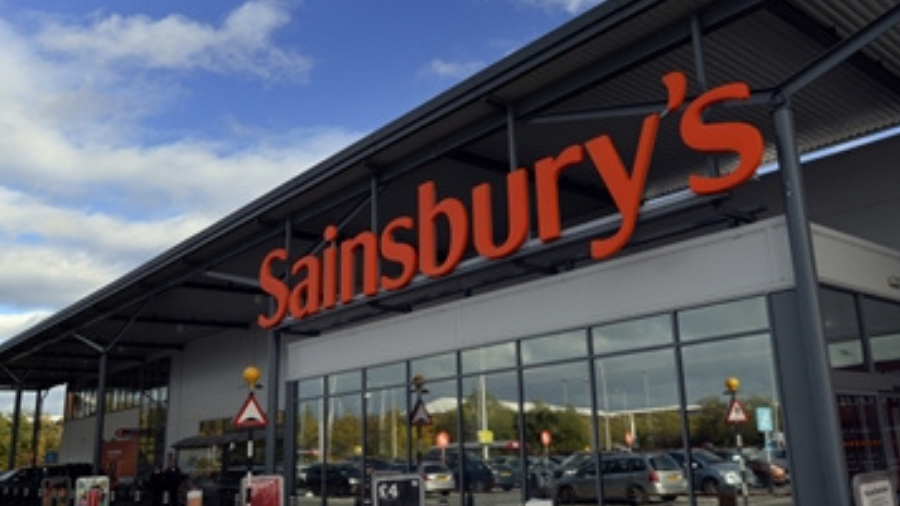
Sainsbury’s plans to become the latest UK supermarket to increase the basic rate for its shop workers to at least £10 an hour.
The supermarket chain’s previous basic rate was £9.50.
CEO, Simon Roberts said: “We are making this significant investment to show our colleagues how much we value the brilliant job they do for our customers every day.”
He added: “We have also listened to our colleagues and are enhancing our colleague discount scheme to help them plan their grocery spend and manage their shopping budgets better, which could save colleagues hundreds of pounds a year.”

Less than budget supermarkets
Budget supermarkets such as Morrisons, Lidl and Aldi had already made the move to the higher wage last year.
Aldi announced it will pay staff £10.10 an hour from next month (February) and says it will pay £11.55 an hour to staff working in areas along the M25.
Lidl has similar plans from March, its shop workers will also earn £10.10, while more experienced workers could get up to £11.40 an hour.
Pay for supermarket workers at Tesco is currently £9.55 an hour. It is £9.50 an hour for workers at Waitrose and the Co-op, while Asda pays the lowest at £9.18.
More for drivers
Sainsbury’s also plans to increase its minimum hourly rate from £10.10 to £11.05 in inner London. This will go to 150,000 workers across the supermarket chain, including lorry drivers.
It is hoped the pay bump for drivers will help boost its recruitment, since a drop in numbers, made worse by the Covid-19 restrictions and Brexit.
The National Living Wage set by the government will rise to £9.50 from April. Meanwhile, the Real Living Wage set by the Resolution Foundations and paid voluntarily by almost 9,000 employers throughout the country, is at £9.90 and £11.05 in London.
The move by Sainsbury’s is part of a £100 million investment in improving pay and rewards for frontline staff.
Mr Roberts said: “We are making this significant investment to show our colleagues how much we value the brilliant job they do for our customers every day.”
Groceries delivery drivers will now get £11.50 per hour, while Argos Fast Track Delivery drivers will receive £11 per hour based on a base rate of £10 per hour plus an extra £1, up from 75p.
“While demand for online deliveries remains high, this enhanced pay will help the retailer recruit and retain the best talent,” Sainsbury’s said.
Staff will also receive a 10% discount on their shopping from Sainsbury’s, Argos and Habitat, which will be increased to 15% each pay day for five days after.

Feyaza Khan has been a journalist for more than 20 years in print and broadcast. Her special interests include neurodiversity in the workplace, tech, diversity, trauma and wellbeing.
- Feyaza Khan

- Feyaza Khan
- Feyaza Khan
- Feyaza Khan