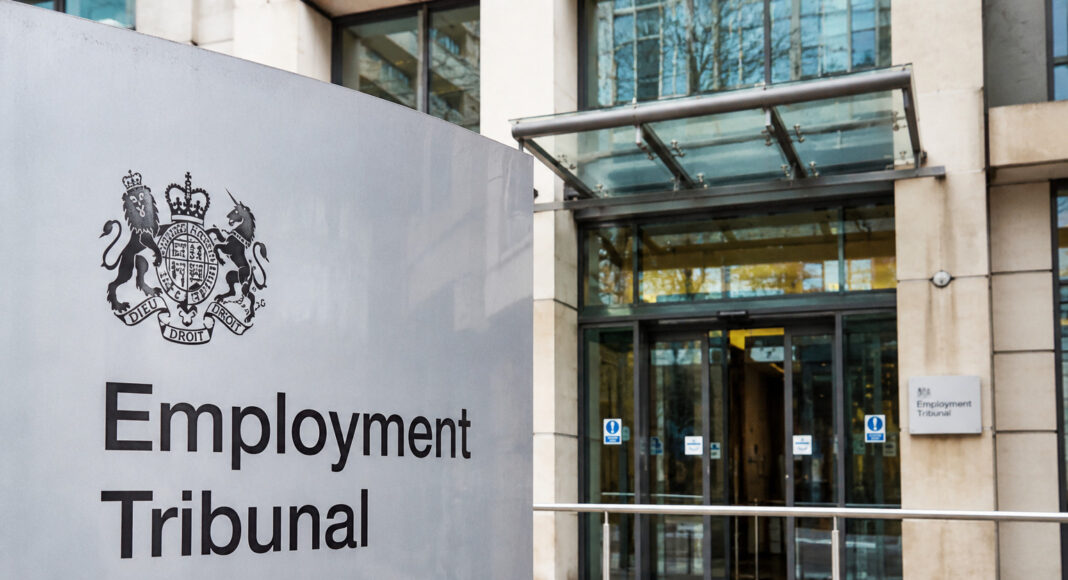
Workers taking employers to tribunal are facing waits stretching as far as 2030, amid mounting concern that the UK’s employment justice system is struggling to cope with rising caseloads and growing pressure from new employment rights.
Legal experts warned the delays were creating severe uncertainty for both employers and employees, while increasing concerns that some workers could be discouraged from pursuing claims altogether because of the time, cost and emotional strain involved.
The warnings follow a major investigation by The Bureau of Investigative Journalism (BIJ) that found some employment tribunal cases are now being listed years into the future as the backlog continues to worsen.
Growing pressure on tribunal system
The investigation reported that the employment tribunal backlog exceeded 65,000 cases by the end of last year, with delays linked to shortages of judges, administrative staff and tribunal capacity.

Some hearings are reportedly being scheduled as far ahead as 2030, with London South Employment Tribunal in Croydon identified among the areas facing the longest waits.
The growing delays come as the Labour government’s Employment Rights Act reforms are expected to increase the number of tribunal claims further over the coming years. The BIJ reported that the reforms could add around 7,000 extra cases annually to the tribunal system.
Employment lawyers and campaigners warned the delays were already having a major impact on access to justice, with some claimants abandoning cases or accepting reduced settlements because of financial hardship, stress and uncertainty.
Fudia Smartt, an employment law partner at law firm Spencer West LLP, told HRreview the delays were changing how employers approached disputes with staff.
“The backlog has created a great deal of uncertainty for both employers and employees as it is taking years for cases to reach a final hearing,” she said.
“As a consequence, many employers are being far more bullish in their approach when dealing with disgruntled employees, in the knowledge that it will take several years before a matter receives any judicial scrutiny.”
She said lengthy delays were undermining the quality and fairness of hearings.
“For example, I have a case where an employee was dismissed in 2024 and, due to delays, the case is unlikely to reach a final hearing until 2028.
“This is having a very negative effect on the administration of justice. This is particularly so, given that by the time a case reaches a hearing many key witnesses may have left an employer, memories have faded etc.”
Concerns over access to justice
The investigation also raised concerns that workers on lower incomes were likely to suffer most from the growing delays. Tribunal claims can already take years to conclude, particularly in complex discrimination, whistleblowing and unfair dismissal cases.
Smartt said the practical value of new employment rights risked being undermined if workers could not enforce them quickly.
“Unless a major intervention occurs, the backlog will only get worse. I can envisage an increase of employees preferring to bring claims while remaining in employment, colloquially known as ‘suing while standing’,” she said.
“While a number of the Labour Government’s employment law changes have been brought in to increase employee rights, the delays in the employment tribunals will have a contrary effect because what benefit is there in having rights if you cannot enforce them in a timely manner?”
She warned the wider system was approaching a critical point.
“The impact of all of the above is that the poorest employees will be the worst affected by the delays in the employment tribunals and unless urgent steps are taken to address this, the employment tribunal process is on the verge of collapse,” she said.
The employment tribunal system has faced growing strain since the abolition of tribunal fees in 2017, which triggered a sharp rise in claims. More recently, rising workplace disputes, economic pressures and changing employment law have added to caseloads.
Business groups have also expressed concern that unresolved tribunal delays could create uncertainty for employers attempting to manage disputes, restructures and disciplinary processes. Trade unions and employment rights organisations argue lengthy waits are leaving many workers without meaningful access to justice.
The Work Rights Centre, an employment charity cited in The BIJ’s report, warned that long delays were creating serious mental health pressures for claimants and discouraging vulnerable workers from pursuing legitimate cases.
The Law Society of England and Wales also told the investigation the delays risked damaging confidence in the rule of law and employment protections.
The Ministry of Justice has previously acknowledged pressure on the tribunal system and said steps were being taken to increase judicial capacity and improve efficiency.
But with further employment reforms due to take effect over the coming years, many lawyers believe the pressure on tribunals is likely to intensify unless substantial additional resources are introduced.

William Furney is a Managing Editor at Black and White Trading Ltd based in Kingston upon Hull, UK. He is a prolific author and contributor at Workplace Wellbeing Professional, with over 127 published posts covering HR, employee engagement, and workplace wellbeing topics. His writing focuses on contemporary employment issues including pension schemes, employee health, financial struggles affecting workers, and broader workplace trends.
- William Furney

- William Furney
- William Furney
- William Furney