

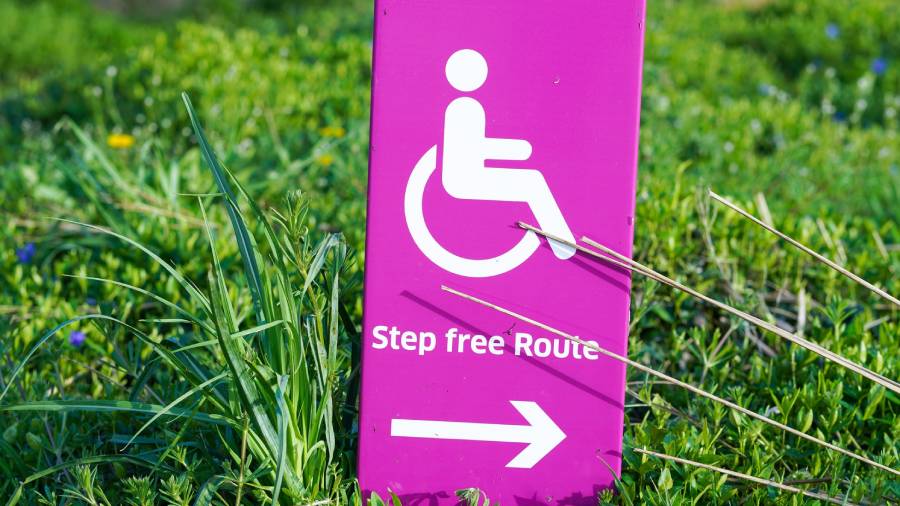
With Disability Awareness Day falling over the weekend, HRreview investigates the different ways in which this group can be supported, both now and moving forward.
Recent research from the UK parliament reveal that there were around 4.4 million disabled people in work between October-December 2020.
However, with a third of people with disabilities reporting that they were unfairly treated by their employer during the pandemic – including being subject to bullying, harrassment, being given less promotions and not being accommodated through reasonable adjustments – how can HR teams ensure they are supporting this group?
Sheila Attwood, Managing Editor, Pay and HR practice, at XpertHR, argued that businesses must collect the correct data and provide opportunities for bolstering diversity and inclusion:

Supporting disabled employees must be a priority for HR, exemplified by the recently published National Disability Strategy from the Department for Work and Pensions. While more attention is being placed on supporting these employees, businesses must act across all levels of their organisation to build an inclusive and accessible workplace.
According to our 2020 Diversity and Inclusion survey, nearly one in four (22 per cent) businesses do not gather data on the representation of disabled employees in their workplace, and only a quarter (24 per cent) have an employee network specifically focused on disability.
The Government’s recent disability strategy included a consultation on introducing Disability Workforce Reporting for large employers which would function similarly to existing gender reporting requirements.
Alongside this, the proposals also included reviewing the statutory right to request flexible working, introducing unpaid carer’s leave and trialling an Access to Work Adjustments Passport.
However, many criticised the strategy for not going far enough.
Frances O’Grady, General Secretary of the TUC, claimed that despite disabled workers having a legal right to reasonable adjustments, around two-fifths are not being provided with this.
Ms. O’Grady argued that ministers should strengthen the duty on employers to provide reasonable adjustments and make flexible working the norm.
Sheila Attwood explained how businesses can support staff in this respect:
HR professionals should and can do more to promote more inclusive and greater accessibility at work. There’s plenty of ways this can be done, from making sure there are procedures in place for candidates to make any requests or adjustments during the recruitment process, to ensuring the workplace is safe and measures such as evacuation processes are designed or adjusted to accommodate everybody.
Alongside this, these employees should feel empowered to share their views and experiences, which can be used to make an even more inclusive workplace.

Monica Sharma is an English Literature graduate from the University of Warwick. As Editor for HRreview, her particular interests in HR include issues concerning diversity, employment law and wellbeing in the workplace. Alongside this, she has written for student publications in both England and Canada. Monica has also presented her academic work concerning the relationship between legal systems, sexual harassment and racism at a university conference at the University of Western Ontario, Canada.
- Monica Sharma

- Monica Sharma
- Monica Sharma
- Monica Sharma








