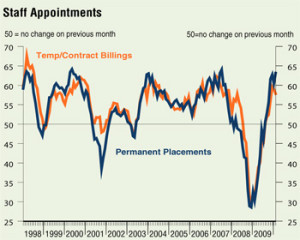
 The REC and KPMG Report on Jobs highlighted that both permanent and temporary appointments rose through February. But while the rise in permanent placements was at its highest pace since July 2007, temporary appointments rise was at its lowest in the last three month.
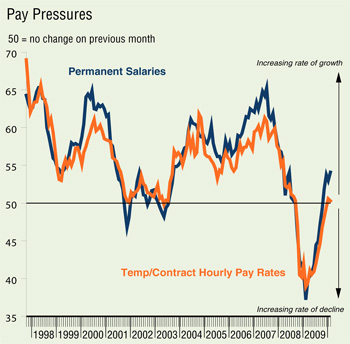
Additionally, the report found that vacancies rose to its highest in two and a half years, and that salaries for permanent positions also increased to a twenty month high increase. This was linked to a shortgage of qualified staff, leading to pay pressures for employers. There were also reports of candidates becoming more confident in their outlook and subsequently pushing for enhanced pay packages.
Job security fears remain however: safety was perceived to have deteriorated for a thirteenth consecutive month in February. Employees in both the private and public sectors reported that their jobs were less secure than one month ago. Those working in construction signalled the sharpest deterioration.

Kevin Green, the REC’s Chief Executive, says:
“The UK jobs market is continuing to improve. Increasing employer confidence has resulted in the best performance we’ve seen in permanent employment for two and a half years. High-end sectors such as IT are showing particularly strong growth and we are also seeing significant increases in demand for admin and back-office support.
“Looking ahead, there are indications that recruitment in the public sector could drop off fast. A new approach to public sector resourcing is now critical and will have a direct impact on the wider employment outlook. We question whether the public sector has the right capability in place to lead the necessary transformation and put in place staffing structures that will keep costs down while improving public services. Rather than responding with random job cuts, the public sector needs to embrace radical reform. Flexible working must be seen as part of the cost solution, rather than the problem.”
Bernard Brown, Partner and Head of Business Services at KPMG comments:
“The latest figures seem to confirm that the UK jobs market is on the road to recovery: Permanent job placements are growing at their fastest pace since July 2007, with both vacancies and salaries increasing. Sectors such as IT & computing as well as engineering & construction that were particularly hit by recession are clearly on the rebound.
“However, this all comes with one big warning: The impact of the inevitable public sector recession on the jobs market has yet to be felt and will be played out over the next six to 12 months.”


Paul Gray is an entrepreneur and digital publisher who creates online publications focused on solving problems, delivering news, and providing platforms for informed comment and debate. He is associated with HRZone and has built businesses in the HR and professional publishing sector. His work emphasizes creating industry-specific content platforms.
- Paul Gray

- Paul Gray

- Paul Gray

- Paul Gray