

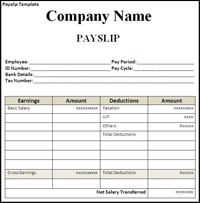
A quarter (26.3%) of employees do not understand everything on their payslip, reveals recent research from the Chartered Institute of Payroll Professionals (CIPP).
Other alarming figures indicate that a considerable number of employees are not checking their payslip when they get paid, with around one in six (14%) admitting that they only occasionally look at their payslip and 4.2% confessing that they never check.
The CIPP emphasises the importance of workers reviewing their payslip every time they are paid to verify that all the information is correct, including National Insurance contributions, tax, employee benefits and pension deductions. This ensures that if there are any questions or concerns, they can be immediately addressed by the payroll department.

The Chartered Institute also stresses that understanding all the information on one’s payslip is even more necessary due to the imminent introduction of real time information as payroll data will be linked to the benefits system through Universal Credits and if an employee’s pay is incorrect this could impact the benefits they receive.
For National Payroll Week 2012, taking place from 3–7 September, the CIPP is encouraging employees to speak to their payroll department if they have any queries relating to their payslip.
Mr Lindsay Melvin, Chief Executive of the CIPP, said: “Under the Employment Rights Act, it is mandated that payslips include gross pay, deductions and net pay. However, many pay statements nowadays contain a wealth of information such as bonus and overtime amounts, voluntary deductions, car allowances and salary sacrifice breakdowns; to name a few. It is not a complete surprise to hear about the many people who are confused by their payslip.
“Having said that however, it is absolutely essential that workers place the onus on themselves to double-check their payslip so that they can be confident they are getting paid correctly. Error rates are very low but knowing and understanding all the details on their payslip will help employees to identify mistakes or miscalculations.
“National Payroll Week is the perfect opportunity for employees who do not fully understand their payslip to approach their payroll staff to discuss any issues they may have.”




