

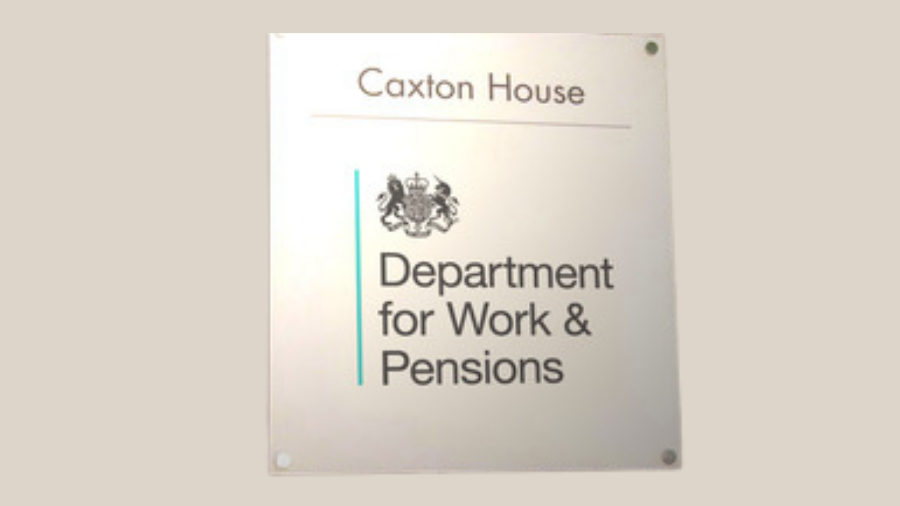
People looking for work on Universal Credit could be penalised, if they do not look for jobs outside their field from today.
This could be the news businesses were looking for, to help curb the effects of ‘The Great Resignation’.
The Government is tightening the criteria for claiming benefits as a jobseeker, and is trying to get 500,000 people in work by the end of June.
Claimants had previously been given three months to find a job in their preferred sector, that is now down to four weeks.

Between September and November 2021, there were 1.22 million people out of work, which is a record high.
A percentage of their benefits could be cut if they are deemed to not be making reasonable efforts to get a job, or if they turn down a job offer.
The move is intended to target those who are able to work but either do not have a job or are earning low amounts.
The government says it wants to help people progress into a career
The work and pensions secretary, Thérèse Coffey said: “Helping people get any job now means they can get a better job and progress into a career.”
Claimants who will be targeted will be those either do not have a job or are earning low amounts. They will be given more one-to-one time with work coaches to help them find what they need.
Ms Coffey added: “Way to Work is a step-change in our offer to claimants and employers, making sure our jobcentre network and excellent work coaches can deliver opportunities, jobs and prosperity to all areas of the country.”
Rising inflating and rising costs
The move comes as ministers plan to rebuild the economy after spending billions during the pandemic.
However, the move has been criticised by welfare experts who called the decision “corrosive” and “a way to policy failure”
Inflation is expected to hit 6 percent this year, and people are facing a cost of living crisis, with utilities and food costs going up.
Labour’s shadow employment minister told the BBC people should be supported into long-term employment that matches their skills.
She added: “It’s just tinkering at the edges – long-term unemployment is 60% higher than before the pandemic.”
The Liberal Democrats, meanwhile, accused the government of attempting to force people into ‘any job going’, which would not result in long-term employment.
Lib Dem work and pensions spokesperson, said: “We are in the middle of a cost of living crisis, with energy bills soaring and reliance on food banks rising. If the government can write off billions in Covid fraud, they can afford to genuinely support those looking for work instead of sanctioning them.”

Feyaza Khan has been a journalist for more than 20 years in print and broadcast. Her special interests include neurodiversity in the workplace, tech, diversity, trauma and wellbeing.
- Feyaza Khan

- Feyaza Khan
- Feyaza Khan
- Feyaza Khan








