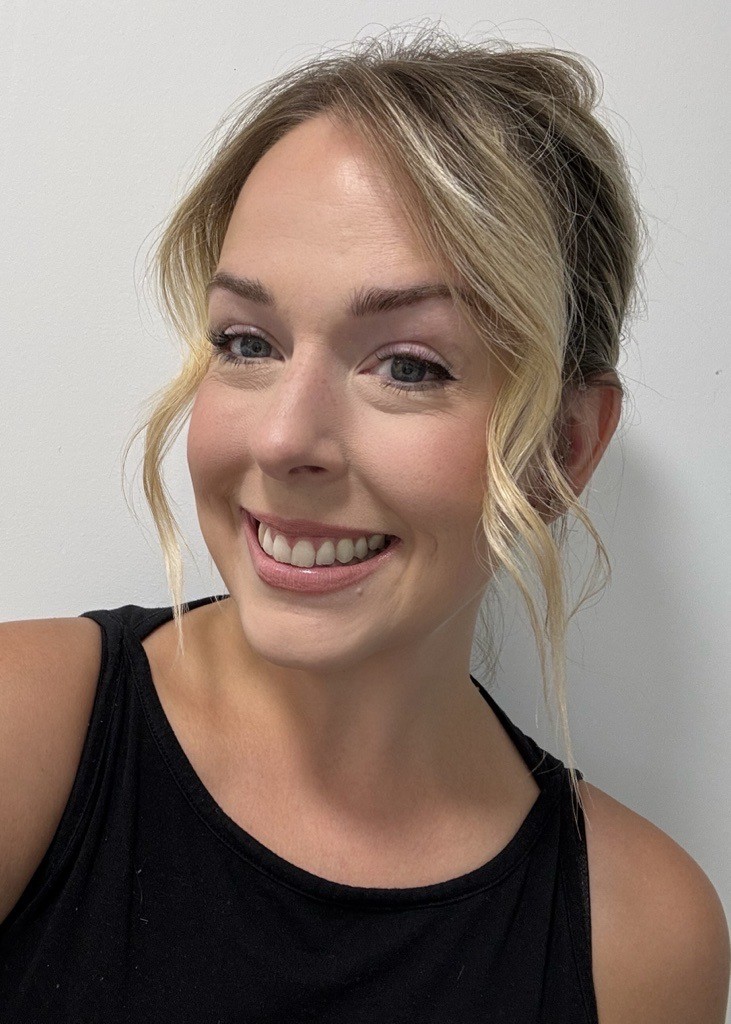
After almost 12 years at Specsavers, the opticians, Bethany Cann has come to see early talent as the lifeblood of long-term business success. As head of early talent, she leads programmes that guide students from school through to university graduation, helping to build a future pipeline of optometry professionals for one of the UK’s best-known brands.
Based in Bude on the north Cornwall coast, Beth balances a largely remote role with regular travel to offices in Launceston and Nottingham, as well as frequent university visits. Married to Aaron and mum to two daughters, Luna and Marlie, her days begin early, often with a treadmill run in the garage before the household wakes up and the school routine takes over.
At 35, Beth is already a seasoned people professional, having progressed from IT recruitment into a series of roles at Specsavers, including eight years leading temporary recruitment. Now she oversees a wide-ranging early careers strategy, from assessment days and industry placements to a new £10,000 scholarship scheme, all while navigating significant changes to qualification routes in the sector. For her, HR is not just about hiring people but about shaping careers, relationships and opportunities from the very start.
As a mum of two young children, mornings can be a little hectic. Thankfully, the girls are great sleepers and usually wake around 7am, which gives me an hour or so to get ready for the day. My husband works in construction and leaves by 7am, but he’s up before me and always brings me a coffee, which definitely helps.

If I can, I try to fit in a run before the girls wake up. Right now, that means the treadmill in the garage, but in spring and summer, living in Cornwall is a real treat: I love heading to the beach or cliffs for a peaceful run while everyone’s still asleep.
Before the kids are up, I’ll also check my emails for anything urgent and review my diary to make sure nothing has changed or any surprises have popped up.
Once the girls are up, it’s breakfast, getting dressed, and then we squeeze in some drawing or reading before school or breakfast club.
I don’t really have any particular morning rituals other than making sure we get to school on time. I try to get myself ready before the kids are up, as it can be a bit of a rush otherwise.
I also make an effort to prioritise some “me time” in the morning before the day starts, whether that’s a quick run or just a quiet coffee, because it sets a positive tone for the rest of the day. The girls love to ride their bikes or scooters to school if it’s dry, and we love to start our day that way.
Although I work remotely, I’m often on the road, whether it’s attending university events, meeting with store partners, or catching up with the team. On average, I’m away from home about two to three times a month. Quite often, I’ll join calls remotely from the car, but when the diary is quieter, I make the most of the drive with a podcast or audiobook.
Living in Cornwall is amazing, but it does mean most journeys take a while, so I always make sure I’ve got something great lined up to listen to before I set off. If I’ve had a long day, a bit of karaoke in the car keeps me going.
Right now, we’re going through a lot of change in the student and graduate space, particularly as we navigate a new route to qualification. I think with any change process, it’s not often there’s such a thing as a typical day, but the challenge of navigating new waters is something I, and the team, really enjoy.
Usually, though, I’ll start by grabbing a coffee, checking my emails and Teams for anything urgent or unexpected, and then working through my to-do list to set priorities for the day.
Depending on the day, I’ll usually start by catching up with my direct reports to check in and see what’s happening. Mondays are all about bringing the whole team together for our weekly stand-up, where we cover the headlines and set goals for the week ahead.
We’re currently in the middle of our busiest period, running large in-person assessment days at universities. So, a big part of my day is checking in on how those events are going, making sure everything runs smoothly, and supporting the team with all the moving parts that come with big events like these.
I don’t usually take a set lunch break. No two days are ever the same, so it’s often a case of squeezing it in whenever I can. If I’m at home, I try to be organised and have something quick to grab, and if I’m on the road, it’s whatever’s available. I do make an effort to step away from my desk when I eat though. It’s important to take that moment to recharge so I can refocus for the afternoon.
We’re seeing a big shift towards skills-based workforce planning at the moment, and it’s something we’re hearing more about internally too. I think organisations will increasingly map roles around skills rather than rigid job descriptions, which will open up greater mobility and more targeted development opportunities.
Alongside that, I expect we’ll see a move towards hyper-personalised employee experiences. Candidates now expect tailored approaches, whether it’s career development, benefits or wellbeing. The traditional one-size-fits-all model just doesn’t cut it anymore. Perks and support that align with an individual’s life stage and preferences will become the norm.
Beyond the obvious qualifications and technical knowledge, HR is all about people: so building strong relationships and a credible personal brand can really set you apart. Stay curious and don’t just stick to your lane. Look for opportunities to develop leadership and influencing skills by taking on cross-functional projects and networking widely. These experiences not only broaden your perspective but also make you a more adaptable and impactful HR professional.
When I’m not travelling, I like to keep my afternoons free to focus on project work. Right now, a big part of my role is managing a significant change in the industry, which is really exciting and as part of that, we’re gearing up for the second wave of recruitment for our new style placements. Alongside that, we’ve got some wider workforce planning initiatives on the agenda, which means collaborating closely with my peers across the function to make sure everything aligns.
It’s nothing groundbreaking, but I try to make a point of stepping away from my desk to recharge for the afternoon. If I can, I’ll take a quick walk and get some fresh air; it really helps me reset and come back with a clear head.
In recruitment, we’re sometimes perceived as being purely transactional. But it’s so much more than just placing people in roles. When done well, recruitment is a true strategic partner to the business, helping shape culture, support people and ultimately drive business success.
I think that, despite perceptions, HR is deeply involved in shaping strategy, building culture and supporting people to thrive. We’re often at the heart of big business decisions, workforce planning and creating environments where people can do their best work.
I like to keep the last half hour of my day free from calls or chasing actions so I can check what’s coming up tomorrow and make a to-do list for the morning. I don’t work on Wednesdays, so if it’s a Tuesday, I’ll take a little extra time to wrap up anything outstanding before I’m back in on Thursday.
Once work is done, it’s straight into mum life. The girls are often at after-school club, so when they’re home and not at gymnastics or dance, we always have a family dinner together; it’s really important to us. We’ll catch up on our days and share one thing that made us happy or laugh, and one thing we’d change. Any working mum will know that wind-down time is in short supply, but once the kids are in bed, a coffee — or wine, depending on the day — a KitKat and some rubbish TV or a good book is enough to reset me.
I rarely stick to strict set hours. My view is that some roles are by the hour, and others are by the job. Mine is definitely the latter, and honestly I wouldn’t have it any other way. I love the pace, the volume, and the fact that things are always moving. While it can mean longer hours at times, I’m fortunate to have a lot of flexibility, which makes it all work.
Our evenings are usually pretty busy: both of our girls do dance and gymnastics, so once work is done, family life kicks into full swing. Between me and my husband, one of us is making dinner while the other is running the kids to their clubs.
No matter how hectic it gets, we always try to sit down for dinner together and talk about our days. Family time is really important to us, and even though we’re busy, we make the most of the time we have together.
At this stage in life, it’s honestly less about easing out of work mode and more like a hard launch into family mode. But honestly, I wouldn’t have it any other way.
I usually go to bed at around 10-10.30pm. I’m definitely not a night owl. I’ll read or watch some TV for half an hour, and that’s about it. If I’m at home, I can fall asleep in under a minute. It’s a skill my husband is quite jealous of, but I do find it harder to switch off when I’m in a hotel.
Recently, I’ve started using the sleepcasts on Headspace — we get a free subscription through work — and they’ve been a game-changer for helping me relax and drift off.

William Furney is a Managing Editor at Black and White Trading Ltd based in Kingston upon Hull, UK. He is a prolific author and contributor at Workplace Wellbeing Professional, with over 127 published posts covering HR, employee engagement, and workplace wellbeing topics. His writing focuses on contemporary employment issues including pension schemes, employee health, financial struggles affecting workers, and broader workplace trends.
- William Furney

- William Furney
- William Furney
- William Furney