

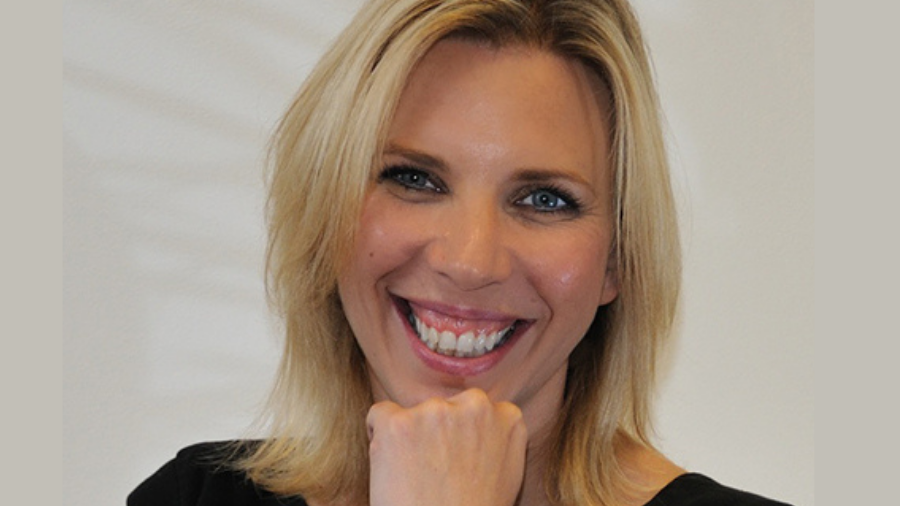
The Portuguese government announced new measures to improve work-life balance for its people and UK employers should follow suit says Nuffield Health’s National Lead for Emotional Wellbeing, Gosia Bowling.
With a rise in remote working post-pandemic taking its toll on the mental health of overworked and burnt-out employees, Portugal’s new rules have been welcomed by its population.
These include fines for employers who contact employees outside of their office hours and obliging businesses to help pay for additional remote working expenses, like increasing home utility costs.
Managers also have a responsibility to outline remote working expectations clearly to ease these worries – like letting individuals know they aren’t expected to work longer hours just because they’re not commuting.

Managing expectations
Remote working can often cause ‘working from home guilt’, with employees increasing their working hours to compensate for the ‘benefit’ of home working.
Individuals feel they are expected to be ‘always on’, and as a result, work additional hours and feel inclined to check their emails into the evening.
Some industries may require employees to occasionally be ‘on-call’. In this case, more specific policies around answering out-of-hours emails may be required, customised to the type of work each team carries out.
For example, employers may discourage sending emails at weekends and outline clear guidelines on what constitutes as an ‘emergency’ and requires an immediate response.
Benefits of remote working
Remote working can provide key emotional wellbeing benefits, for example, allowing employees to spend more time with family or exercising in daylight hours.
As individuals adopt flexible working patterns that suit them – for example, working into the evening to accommodate the morning school run – team leaders should reiterate that employees shouldn’t feel pressured to reply to emails out of their individual hours and encourage them to switch devices off after work.
No ‘one-size-fits-all’
It’s important to remember, though, that no one wellbeing intervention suits everyone, and support should be tailored to individual staff members and employers should take the time to make sure flexible arrangements work for the individual.
This should begin with assessing their working environment. Do they have an ergonomic working set-up and if not, can you support them with equipment to make home-working a sustainable option? This may also include providing a laptop, so you’re not adding financial pressures.
It is also important to provide support throughout the remote working arrangement. Let employees know you’re free to chat to if they feel stressed or point them towards a mental health champion.
Similarly, instead of simply placing blanket limits on technology, businesses should personalise their wellness offerings to the needs of individuals.
This may include providing access to Employee Assistance Programmes (EAPs) or remote cognitive behavioural therapy (CBT), which provide direct telephone access to a mental health specialist.
Supporting healthier sleeping habits
The blurring of boundaries between work and home, created by remote working, can often lead to widespread sleep difficulties among employees. Many are using their bedrooms for work related activities. ‘Bedmin’ – doing work admin in bed – is on the rise, with many employees working right up until bedtime.
Blurring the boundaries of what our bedrooms are intended for often leads to poor quality sleep. This is turn may lead to reduced ability to concentrate and negatively impacted work performance.
Sleep is vital to our health, with inadequate or poor-quality sleep linked to an increased risk of obesity, heart disease and diabetes, plus mental ill health including anxiety and depression and an increased propensity to burn out.
Sleep deprivation can also lead to a negative feedback loop. You feel less productive and then try to catch up by working longer and then get less sleep.
Sleep should therefore be a key focus for employers. Educating employees good sleeping habits should be seen as important as supporting employees to exercise more, eat healthily or stop smoking.
=====
Gosia Bowling has more than 25 years of experience of working in mental health and helping individuals and groups overcome emotional difficulties. Nuffield Health is the largest healthcare charity in the UK. It is independent of the National Health Service and is constituted as a registered charity.

Gosia Bowling is the National Lead for Emotional Wellbeing at Nuffield Health, based in Manchester. She specializes in workplace wellbeing, mental health, and creating inclusive work environments. Through her role at Nuffield Health, Bowling advocates for employee mental health support and organizational practices that prioritize emotional wellbeing. Her expertise encompasses developing wellbeing strategies that address the mental health challenges facing UK employees, particularly in the post-pandemic workplace. She has contributed professional commentary to leading HR publications on topics including inclusive workplace practices and employee wellbeing initiatives, demonstrating thought leadership in the intersection of HR policy and occupational health.





