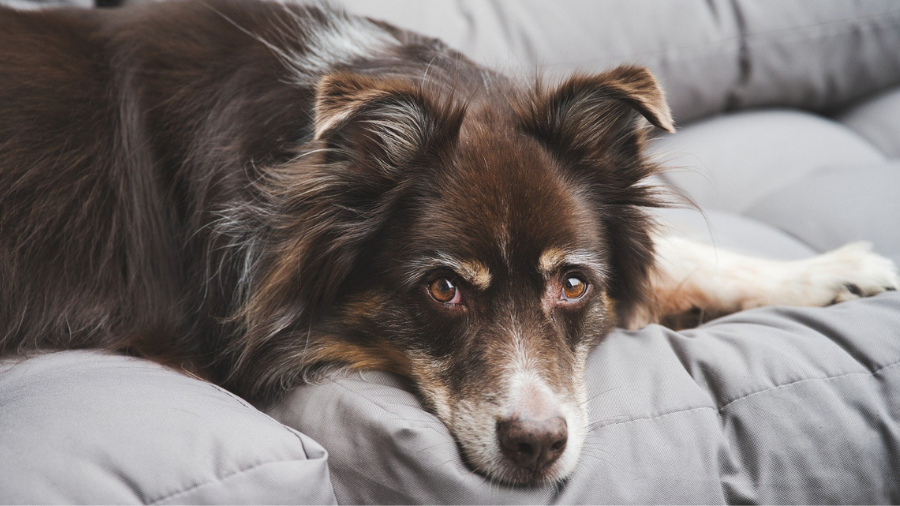
More than three million people brought home puppies during the pandemic and research now says new dog owners don’t want to go into the office.
Before the lockdowns, sixteen percent of owners felt comfortable leaving their dog alone for more than six hours a day – that number is now at 3 percent.
The study says 40 percent of dog owners will avoid going into the office altogether to stay home with their pets.
Pet supplement creator YuMOVE’s survey has also found 78 percent of ‘pandemic pups’ have shown physical signs of separation anxiety since their owners returned to the office.

How are employees reacting to looking after their dogs post-pandemic?
Research by the RSPCA found many new owners feel unable to care for their dogs post-lockdown, which the authority called a ‘major welfare crisis’
Meanwhile, a concerning number of new owners say they wish they hadn’t brought a dog home – 48 percent.
One in five owners also said they weren’t prepared for the responsibility that comes with owning a dog.
Could employers change the rules include bringing dogs to work?
Workspaces that allow dogs have happier people and higher productivity according to psychologists and this is one idea that has been suggested.
Some office spaces are apprehensive about the move and last month Pets at Home released a set of guidelines to support businesses who want to make the move.
The guidance includes having the dog’s bed close to the owner and allowing the owner to take regular walks with their pet.
It also advises that dogs should be kept away from the kitchen and making sure they are kept off any furniture.
Some spaces cannot allow dogs for safety reasons
For those spaces where dogs can’t be allowed, YuMOVE suggests preparing the pet for the separation slowly.
- Encourage your dog to settle while you’re busy, and then provide stimulation during your breaks.
- Plan time apart. Start small, such as a quick walk to the shops or even sitting in a separate room. Reward your dog afterwards for working with you on this!
- Make sure your dog feels secure and happy when you’re not around. Give them baskets, blankets, chew toys and puzzle feeders to keep them occupied.
- Start a slow back-to-work routine by doing walks, playtime and meals at the same time every day.
- Encourage your dog to play away from you through the day; allow them access to different rooms where they can be alone and entertain themselves.

Feyaza Khan has been a journalist for more than 20 years in print and broadcast. Her special interests include neurodiversity in the workplace, tech, diversity, trauma and wellbeing.
- Feyaza Khan

- Feyaza Khan
- Feyaza Khan
- Feyaza Khan