

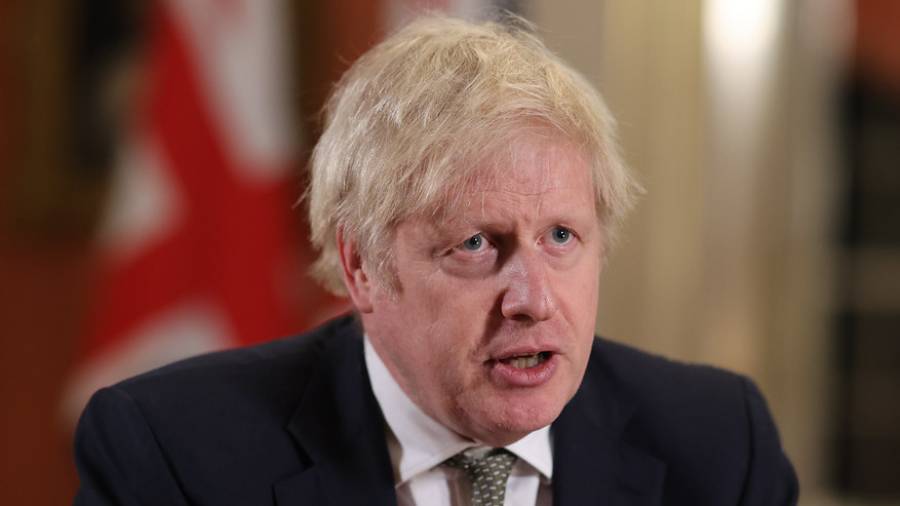
The Employment Bill would encompass the right for staff to work flexibly post-COVID.
The Labour Party has urged the Government to bring forward the Employment Bill which would see staff given the choice to maintain flexible working after the pandemic.
The party has accused the Chancellor of making a U-turn after Mr. Sunak expressed the view that working people should return to the office full-time.
In December 2019, the Queen delivered a speech in which she outlined the Government’s proposal for a new Employment Bill.

This would entail key changes such as the right to a more predictable and stable work contract, extending redundancy protection for people on maternity leave, a single enforcement body for workers’ rights and business compliance and a week’s leave for unpaid carers.
Although it was expected to be announced in the Queen’s Speech earlier this year, no mention of the Bill was made.
Kwasi Kwarteng, Business Secretary, stated that the Bill would be introduced when the “time was right” and “not while the pandemic is ongoing”.
In May 2020, Rt Hon Stephen Timms MP, Chair of the Work and Pensions Committee, wrote to the Business Secretary, stating:
The Employment Bill has been in the pipeline for far too long—the Government should not be using Covid-19 as an excuse to put it off any longer.
The pandemic has only heightened the need for workers to be properly protected, with booming demand for apps like Deliveroo and many people moving into the gig economy.
Now is the right time for the Government to move beyond a vague commitment to enhancing workers’ rights and bring forward legislation that will improve workplace protections and put those in low-paid work on a more secure footing.
Similarly, Angela Rayner MP, Labour’s Deputy Leader and Shadow Secretary of State for the Future of Work, has today said:
The British people want to be able to work flexibly after Covid and the Chancellor seems to be the only person who doesn’t recognise the benefits that flexible working can deliver to workers and employers alike.
The Chancellor should check the manifesto that he was elected on in 2019 which committed the Government to making flexible working the default. The Chancellor and his colleagues should bring forward the Government’s promised Employment Bill so we can enshrine the right to flexible working in law.
Labour will give all workers the right to flexible working so everyone can enjoy the benefits of flexible working and make their own minds up about what works for them so that work fits around our lives instead of dictating our lives.
This comes as the party recently pledged to create a single status of “worker” for all which would provide workers’ key rights from day one on the job.
However, the Government has promised to review how to support hybrid ways of working which have emerged from the pandemic through the establishment of the Flexible Working Task Force.

Monica Sharma is an English Literature graduate from the University of Warwick. As Editor for HRreview, her particular interests in HR include issues concerning diversity, employment law and wellbeing in the workplace. Alongside this, she has written for student publications in both England and Canada. Monica has also presented her academic work concerning the relationship between legal systems, sexual harassment and racism at a university conference at the University of Western Ontario, Canada.
- Monica Sharma

- Monica Sharma
- Monica Sharma
- Monica Sharma









