
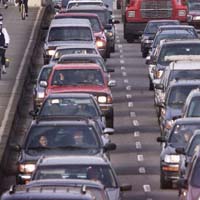
Long-distance commuting still the norm

-


Despite the introduction of flexible working hours commuters are still travelling long distances to get to work. The average commute is around 25 minutes however one in ten commuters travel more than an hour to work according to research from Regus.

Cars have been found to be the most popular form of commuter transport (64%) while the public transport system is the best option for another 19%. Only 9% of workers are close enough to their place of work to be able to cycle or walk.

In the USA car use is much more wide-spread (85%) shortly followed by South Africa (83%) High density and excellent transport infrastructure make Japan the country least reliant on driving to get to work (23%). Cycling in to work was as unpopular as car pooling (2%) on a global level with only the Netherlands significantly bucking this trend (8%).

Mark Dixon, CEO, Regus, said: “As traffic congestion in cities increases it is disappointing to see that too many workers are still jamming the roads in the rush hour when they could be spending their time more enjoyably or more productively elsewhere.

HRreview Logo

Get our essential weekday HR news and updates.

This field is for validation purposes and should be left unchanged.
Keep up with the latest in HR...
This field is hidden when viewing the form
Optin_date
This field is hidden when viewing the form


“To tackle the damaging effects of commuting on staff health and morale, savvy businesses are introducing more flexibility in their working practices and are seeking workplace solutions that allow their staff to work closer to home. Remote working and flexi-time can provide a much needed break in the weekly commuting routine and also translate into office space and maintenance savings.”

Further pain commuters are forced to face is in the cost of travel. While on average 7% of commuters globally spend 10% or more of their salary on commuting, this peaked in car-reliant Mexico where 13% of respondents spend more than 10% of their salary to fund their commute.




Latest news

Exclusive: London bus drivers’ ‘dignity’ at risk as strikes loom over welfare concerns

London bus drivers raise concerns over fatigue and lack of facilities as potential strikes escalate long-standing welfare issues.

Whistleblowing reports ‘surge by up to 250 percent’ at councils as new rights take effect

Whistleblowing cases are rising across UK councils as stronger workplace protections come into force, though concerns remain about underreporting of serious issues.

Bullying and harassment to become regulatory breaches under new FCA rules

New rules will bring bullying and harassment into regulatory scope, as firms face rising reports of workplace misconduct.

Personalising the Benefits Experience: Why Employees Need More Than Just Information

This article explores how organisations can move beyond passive, one-size-fits-all communication to deliver relevant, timely, and simplified benefits experiences that reflect employee needs and life stages.
- Advertisement -

Grant Wyatt: When the love dies – when staying is riskier than quitting

When people fall out of love with their employer, or feel their employer has fallen out of love with them, what follows is rarely a clean exit.

£30bn pension savings window opens for employers ahead of 2029 reforms

UK employers could unlock billions in National Insurance savings by expanding pension salary sacrifice schemes before new limits take effect in 2029.

Must read

Eugene Burke: Are you building your competitors’ talent pipeline?

Recent media coverage of the Debenhams CFO stepping down...

Caoimhe Carlos: How can you accelerate upskilling through industry certifications?

"Prolonged economic uncertainty and the rise of new technologies, such as ChatGPT and cloud-based tools, are exacerbating an already worrying skills gap."
- Advertisement -

You might also likeRELATED
Recommended to you


