<

!Google ads have two elements of code. This is the 'header' code. There will be another short tag of code that is placed whereever you want the ads to appear. These tags are generated in the Google DFP ad manager. Go to Ad Units = Tags. If you update the code, you need to replace both elements.> <! Prime Home Page Banner (usually shows to right of logo) It's managed in the Extra Theme Options section*> <! 728x90_1_home_hrreview - This can be turned off if needed - it shows at the top of the content, but under the header menu. It's managed in the Extra Theme Options section * > <! 728x90_2_home_hrreview - shows in the main homepage content section. Might be 1st or 2nd ad depending if the one above is turned off. Managed from the home page layout* > <! 728x90_3_home_hrreview - shows in the main homepage content section. Might be 2nd or 3rd ad depending if the one above is turned off. Managed from the home page layout* > <! Footer - 970x250_large_footerboard_hrreview. It's managed in the Extra Theme Options section* > <! MPU1 - It's managed in the Widgets-sidebar section* > <! MPU2 - It's managed in the Widgets-sidebar section* > <! MPU - It's managed in the Widgets-sidebar section3* > <! MPU4 - It's managed in the Widgets-sidebar section* > <! Sidebar_large_1 - It's managed in the Widgets-sidebar section* > <! Sidebar_large_2 - It's managed in the Widgets-sidebar section* > <! Sidebar_large_3 - It's managed in the Widgets-sidebar section* > <! Sidebar_large_4 - It's managed in the Widgets-sidebar section* > <! Sidebar_large_5 are not currently being used - It's managed in the Widgets-sidebar section* > <! Bombora simple version of script - not inlcuding Google Analytics code* >

Long-distance commuting still the norm

-


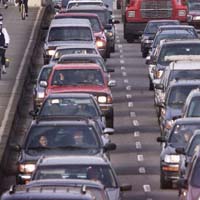
Despite the introduction of flexible working hours commuters are still travelling long distances to get to work. The average commute is around 25 minutes however one in ten commuters travel more than an hour to work according to research from Regus.

Cars have been found to be the most popular form of commuter transport (64%) while the public transport system is the best option for another 19%. Only 9% of workers are close enough to their place of work to be able to cycle or walk.

In the USA car use is much more wide-spread (85%) shortly followed by South Africa (83%) High density and excellent transport infrastructure make Japan the country least reliant on driving to get to work (23%). Cycling in to work was as unpopular as car pooling (2%) on a global level with only the Netherlands significantly bucking this trend (8%).

Mark Dixon, CEO, Regus, said: “As traffic congestion in cities increases it is disappointing to see that too many workers are still jamming the roads in the rush hour when they could be spending their time more enjoyably or more productively elsewhere.

“To tackle the damaging effects of commuting on staff health and morale, savvy businesses are introducing more flexibility in their working practices and are seeking workplace solutions that allow their staff to work closer to home. Remote working and flexi-time can provide a much needed break in the weekly commuting routine and also translate into office space and maintenance savings.”

Further pain commuters are forced to face is in the cost of travel. While on average 7% of commuters globally spend 10% or more of their salary on commuting, this peaked in car-reliant Mexico where 13% of respondents spend more than 10% of their salary to fund their commute.


Latest news

James Rowell: The human side of expenses – what employee behaviour reveals about modern work

If you want to understand how your people really work, look at their expenses. Not just the total sums, but the patterns.

Skills overhaul needed as 40% of job capabilities set to change by 2030

Forecasts suggest 40 percent of workplace skills could change by 2030, prompting calls for UK employers to prioritise adaptability.

Noisy and stuffy offices linked to lost productivity and retention concerns

UK employers are losing more than 330 million working hours each year due to office noise, poor air quality and inadequate workplace conditions.

Turning Workforce Data into Real Insight: A practical session for HR leaders

HR teams are being asked to deliver greater impact with fewer resources. This practical session is designed to help you move beyond instinct and start using workforce data to make faster, smarter decisions that drive real business results.
- Advertisement -

Bethany Cann of Specsavers

A working day balancing early talent strategy, university partnerships and family life at the international opticians retailer.

Workplace silence leaving staff afraid to raise mistakes

Almost half of UK workers feel unable to raise concerns or mistakes at work, with new research warning that workplace silence is damaging productivity.

Must read

The impact of BYOD on e-disclosure

The increase in the number of employers permitting and...

Willma Tucker: Older workers, a good investment?

For many of the current job seekers in the...
- Advertisement -

You might also likeRELATED
Recommended to you

Exit mobile version
