
HRreview Header

A quarter of employees do not understand everything on their payslip

-

A quarter of employees do not understand everything on their payslip

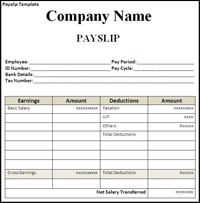
A quarter (26.3%) of employees do not understand everything on their payslip, reveals recent research from the Chartered Institute of Payroll Professionals (CIPP).

Other alarming figures indicate that a considerable number of employees are not checking their payslip when they get paid, with around one in six (14%) admitting that they only occasionally look at their payslip and 4.2% confessing that they never check.

The CIPP emphasises the importance of workers reviewing their payslip every time they are paid to verify that all the information is correct, including National Insurance contributions, tax, employee benefits and pension deductions. This ensures that if there are any questions or concerns, they can be immediately addressed by the payroll department.

The Chartered Institute also stresses that understanding all the information on one’s payslip is even more necessary due to the imminent introduction of real time information as payroll data will be linked to the benefits system through Universal Credits and if an employee’s pay is incorrect this could impact the benefits they receive.

For National Payroll Week 2012, taking place from 3–7 September, the CIPP is encouraging employees to speak to their payroll department if they have any queries relating to their payslip.

Mr Lindsay Melvin, Chief Executive of the CIPP, said: “Under the Employment Rights Act, it is mandated that payslips include gross pay, deductions and net pay. However, many pay statements nowadays contain a wealth of information such as bonus and overtime amounts, voluntary deductions, car allowances and salary sacrifice breakdowns; to name a few. It is not a complete surprise to hear about the many people who are confused by their payslip.

“Having said that however, it is absolutely essential that workers place the onus on themselves to double-check their payslip so that they can be confident they are getting paid correctly. Error rates are very low but knowing and understanding all the details on their payslip will help employees to identify mistakes or miscalculations.

“National Payroll Week is the perfect opportunity for employees who do not fully understand their payslip to approach their payroll staff to discuss any issues they may have.”


Latest news

James Rowell: The human side of expenses – what employee behaviour reveals about modern work

If you want to understand how your people really work, look at their expenses. Not just the total sums, but the patterns.

Skills overhaul needed as 40% of job capabilities set to change by 2030

Forecasts suggest 40 percent of workplace skills could change by 2030, prompting calls for UK employers to prioritise adaptability.

Noisy and stuffy offices linked to lost productivity and retention concerns

UK employers are losing more than 330 million working hours each year due to office noise, poor air quality and inadequate workplace conditions.

Turning Workforce Data into Real Insight: A practical session for HR leaders

HR teams are being asked to deliver greater impact with fewer resources. This practical session is designed to help you move beyond instinct and start using workforce data to make faster, smarter decisions that drive real business results.
- Advertisement -

Bethany Cann of Specsavers

A working day balancing early talent strategy, university partnerships and family life at the international opticians retailer.

Workplace silence leaving staff afraid to raise mistakes

Almost half of UK workers feel unable to raise concerns or mistakes at work, with new research warning that workplace silence is damaging productivity.

Must read

Dr Mark Winwood: Some employees will lie when they’re sick – but it’s not all dishonest

The first Monday of February has come to be known as ‘National Sickie Day’ – the day that employees are supposed to be most likely to call in sick. Employment law firm ELAS, which has promoted the notion, maintains that a combination of miserable weather, commuting in the dark, post-Christmas credit card bills and long gap between holidays makes the first Monday of February the day that people are most likely to take some unofficial time off.

Graham James: Men and the silent struggle: Why we need to talk about mental health

"Only a third of men seeking mental health treatment utilise the NHS, while a significant portion fear repercussions at work – either time off or judgement."
- Advertisement -

You might also likeRELATED
Recommended to you