

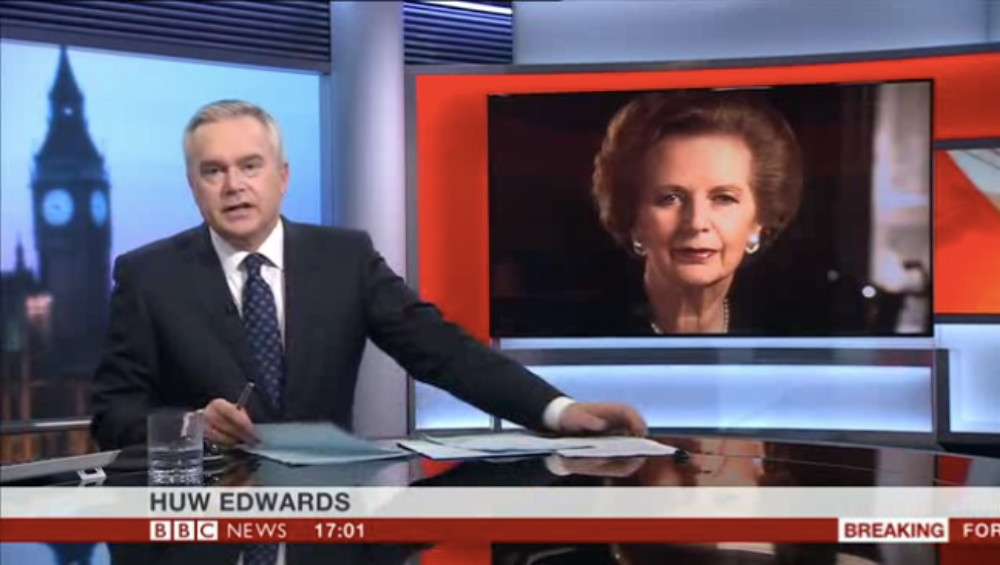
The BBC is under intense scrutiny following revelations that Huw Edwards, once a trusted and iconic figure in British journalism, pleaded guilty to charges related to child sexual abuse images.
The situation has prompted serious questions about the corporation’s response, particularly why Edwards continued to receive his substantial salary for five months after his arrest.
Edwards, who resigned in April citing medical advice, was not formally charged until after his resignation. The BBC stated that it would have acted had charges been filed sooner, suggesting that a formal charge would imply sufficient evidence for a conviction. However, the delay in charges led to public funds amounting to over £200,000 being paid to Edwards, a sum now difficult to justify in light of his guilty plea.
At the time of his arrest in November, Edwards had already been off the air since July 2023, following allegations published by The Sun that he had paid a young person for sexually explicit images. Although the police found no evidence of criminal behaviour related to those allegations, the current charges are separate and serious.

Culture Secretary Lisa Nandy has called for an urgent meeting with the BBC’s director general, seeking clarity on the decision-making process. Key issues include the rationale behind continuing Edwards’ pay and the corporation’s duty to inform the public. The BBC’s handling of the situation, including the use of public funds, has raised concerns among both government officials and the public.
Duty of care
The BBC’s decision to allow Edwards to resign rather than dismissing him following his arrest is particularly contentious. Senior HR and legal advisors reportedly emphasised a duty of care toward Edwards, considering his mental health struggles. There was also concern about potential legal repercussions if he were dismissed unfairly. Nonetheless, the optics of the situation have proven damaging, with many questioning the judgement of those in leadership positions.
Employee responsibility
An additional layer to the controversy involves the BBC’s duty to its audience. The decision not to disclose Edwards’ arrest to the public raises ethical considerations, especially given his prominent role. While individuals who are arrested have a reasonable expectation of privacy, the public interest in this case may have warranted greater transparency.
As the BBC navigates this crisis, it faces tough questions about its responsibilities to both its employees and the public it serves. The fallout from the Edwards case will likely continue to impact the broadcaster’s reputation and trust with its audience.

Amelia Brand is the Editor for HRreview, and host of the HR in Review podcast series. With a Master’s degree in Legal and Political Theory, her particular interests within HR include employment law, DE&I, and wellbeing within the workplace. Prior to working with HRreview, Amelia was Sub-Editor of a magazine, and Editor of the Environmental Justice Project at University College London, writing and overseeing articles into UCL’s weekly newsletter. Her previous academic work has focused on philosophy, politics and law, with a special focus on how artificial intelligence will feature in the future.
- Amelia Brand

- Amelia Brand

- Amelia Brand

- Amelia Brand






