An organisation that has just launched its UK office to celebrate neurodiversity says it is going to challenge business thinking on the subject.
The Institute of Neurodiversity (ION) is an organisation that hopes to give a voice in the world to neurodiverse groups.
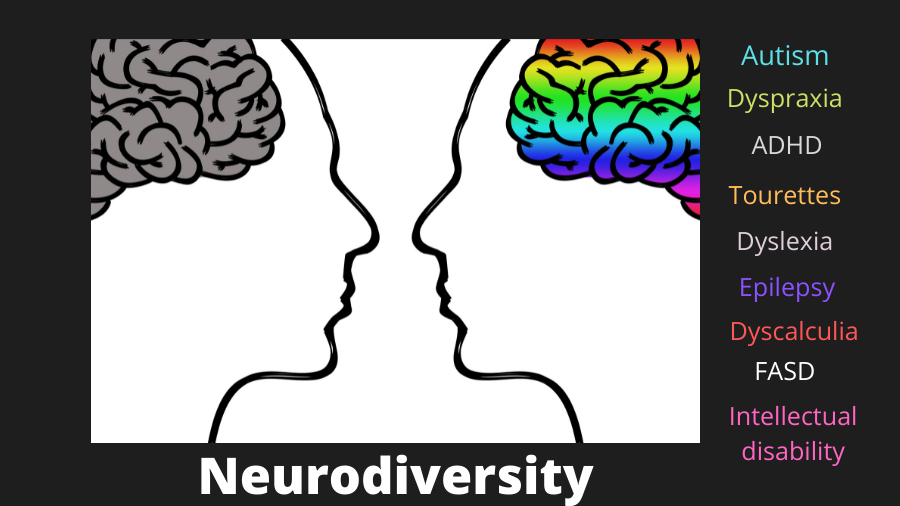
Neurodiversity includes issues like dyspraxia, autism, foetal alcohol spectrum disorder, ADHD and dyslexia.
Founded by former Chair of the Institute of Directors and governance expert Charlotte Valeur, along with a global steering group of neurodivergent individuals and allies, ION says it will challenge business, educational and government thinking on neurodiversity.

ION is calling on businesses to not see neurodiversity as something to “overcome” and to not expect employees who are neurodiverse to assimilate.
It wants to challenge this view and also work toward eliminating institutional discrimination.
This news comes after research which found that only 58 percent of autistic workers want to reveal their diagnosis to HR.
Auticon is a global IT consultancy and social enterprise whose IT consultants are all autistic and its study found 27 percent feel unsure how to communicate their diagnosis to people in their workplace.
It also found 33 percent have concerns they might be treated differently if colleagues know.
However, this fear means there are bigger challenges for people who are autistic in the workplace according to the study, which found that autistic people might be forced to work in a way that is not symbiotic with their diversity.
For example being given text heavy documents, when pictorial information is easier.
Younger autistic workers were more unable to let managers know how they feel and with 62 percent worrying about how to communicate a mental health decline to management.
This, ION says, is why one of its focuses will be to bring awareness to businesses and schools around the reality of being neurodiverse.
It plans to challenge research programmes on neurodiverse groups by highlighting the unintended, future consequences that research may have.
Chief Executive of auticon, Andrea Girlanda, said: “Autistic people often have exceptional talents, enabling them to outperform in areas such as data analytics, cyber threat detection and software development, so it’s vital that more is done to make sure these talents are being utilised, especially in sectors facing a skills gap.”
Charlotte Valeur said neurodiversity should be celebrated: “Neurodiverse individuals all have different ways of thinking that have value. The route to equality for us all is not through making society comfortable with our existence, it is to educate society into breaking down those barriers and being inclusive of all types of viewpoints in the world.”
Another of the group’s focuses is to call for reform to common conversion therapies that aim to “cure” neurodiversity. ION says these are actually ‘cruel practices’ which ‘have misguided aims of changing us to be different to what we naturally are.’
Ms Valeur said: “We’re a vertical slice of society – in all colours, cultures, industries, countries, we are doctors, we are cleaners, we are everywhere.”
The organisation plans to make neurodiverse voices part of educational, research and mental health programmes. It also wants to provide leadership training and networking opportunities to foster a sense of community among neurodiverse groups.
Morwenna Stewart is leading the launch of ION here in the UK. She said: “There are many wonderful neurodiverse/divergent people and businesses globally. (We) will help to make a world that celebrates neurodiverse people, so they can thrive and contribute their best.”
More Institutes of Neurodiversity are expected to launch across the world in the coming months.

Feyaza Khan has been a journalist for more than 20 years in print and broadcast. Her special interests include neurodiversity in the workplace, tech, diversity, trauma and wellbeing.
- Feyaza Khan

- Feyaza Khan

- Feyaza Khan

- Feyaza Khan