

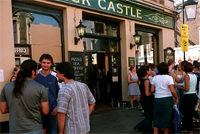
By encouraging workers to bond down the pub well-meaning employers could be contributing to health problems for their workforce. This is according to new research released today by Aviva.
Over half of business leaders (57%) questioned in Aviva’s fourth Health of the Workplace report, published next month, claim that socialising at work usually involves going to the pub for drinks. In comparison, only one in five (23%) employers run teambuilding days and just one in ten (13%) participate in sporting pursuits.
Although 45% of business leaders say that there’s no obligation to drink alcohol at their social events, just 7% of bosses would actively discourage their employees from doing so.

While employers do little to discourage their staff from drinking alcohol, over a quarter (27%) have no sympathy if their employee calls in sick the next day. A similar amount (26%) say that they’d be concerned about the impact on their business if they experienced this behaviour, fearing it would encourage other employees to follow suit.
The research also reveals that business leaders are ignoring the potential consequences of excessive drinking on their employees’ health. Less than half (40%) say they would be concerned they had created an unhealthy working environment if any employee called in sick the next day. 17% of employers even admit that they’d find it amusing as long as it didn’t happen too often.
Despite trips to the pub being commonplace, Aviva’s research indicates that both employers and employees are unconvinced that these events are a positive way to develop healthy working relationships.
• Only 23% of employers think alcohol creates a positive sense of team spirit
• One in ten (10%) feel obliged to attend socials to keep their staff happy
• A third (33%) admit that attending socials can be a bit of a drag.
Similarly:
• Over half (52%) of employees aren’t particularly enthusiastic about going out with their wider team
• One in five (21%) openly admit that they don’t like socialising with work colleagues
• Only 5% of employees claim socialising at work had become a substitute for their social life.
Dr. Doug Wright, principal clinical consultant at Aviva UK Health comments:
“The latest Aviva Health of the Workplace study suggests that, while employers are attempting to make the lives of their employees more fun, their over reliance on alcohol is perhaps misguided. In the short term, this strategy can be a great way to relax and help colleagues let off steam. However, in the longer term, employers need to look for other ways to build team spirit to ensure everyone is involved and that unhealthy habits are not sanctioned in the workplace.
“While around half of bosses say they enjoy getting to know their team in an informal setting, heading to the pub might not be the best way to do this – especially when you consider that many employees don’t look forward to these events either.
“With budgets being tight it may be better for employers to allocate this money to initiatives that benefit both their employees and their company. Supporting the physical wellbeing of their team through workplace wellness programmes for example, can be equally as effective in engaging staff and building morale and team spirit. For a relatively low cost, not only can workplace wellness programmes such as Aviva’s MyHealthCounts for Business help employers improve the health of their workforce, but they’ve also been proven to have a positive effect on staff morale and loyalty. What’s more, if employees become healthier and happier, their productivity should rise as sickness absence levels fall.”
Aviva’s MyHealthCounts for Businesses is designed to help companies with 250 or more employees manage their health and wellbeing provision. Utilising the innovative Q Score2 system that underpins Aviva’s individual MyHealthCounts service, MyHealthCounts for Business provides employers with valuable insight that helps them gain a clearer understanding of the health of their employees. It also offers them a range of tools to help them tackle their company’s key health risk areas and encourage their employees to take pro-active steps to lead a healthier lifestyle.
Additional Information:
• 51% of employee social events involve trips to the pub
• 26% of business leaders are more concerned about the impact of alcohol on their business than their employees’ health
• Only 7% would discourage their employees from drinking alcohol






