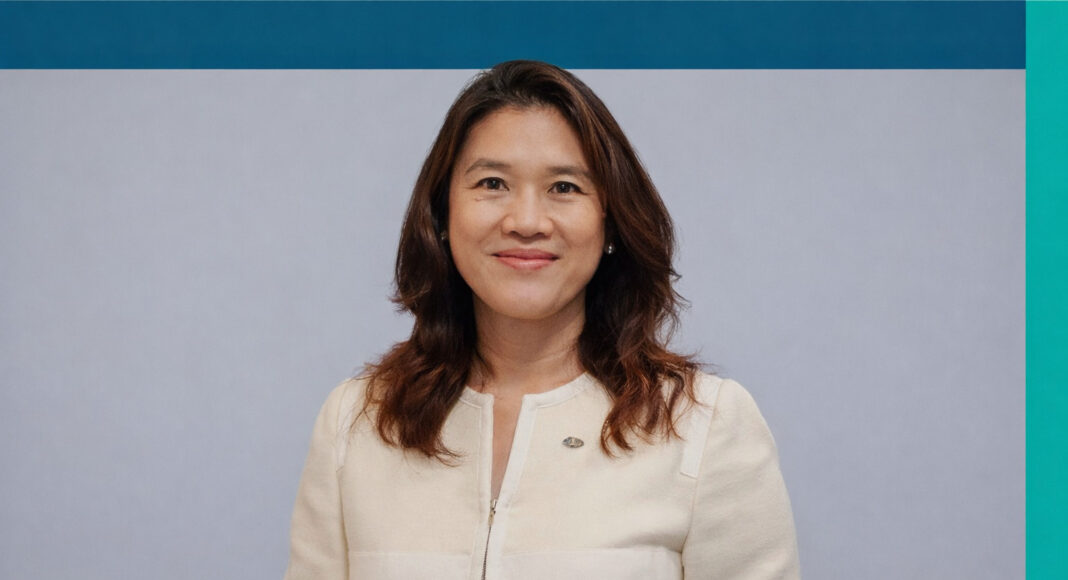
Shao Wei Ong has spent more than three decades shaping people strategy across industries including hospitality, banking, music and engineering. Now chief people and culture officer at Mandarin Oriental, the global luxury hotel group, she is leading efforts to strengthen culture, develop talent and support colleagues across a rapidly growing international workforce.
Originally from Malaysia and currently based in Hong Kong, the 58-year-old oversees people strategy spanning more than two dozen countries. Her career has included senior HR roles across financial services and hospitality, giving her a broad perspective on leadership, transformation and culture in complex, global organisations.
In this HR Profile, Shao Wei Ong discusses how Mandarin Oriental is evolving its culture while preserving its heritage, developing future leaders and balancing digital transformation with the human side of hospitality.
You bring nearly three decades of HR leadership experience across multiple sectors and regions. How has that shaped your approach to leading people strategy at a global luxury hospitality brand?
Throughout my career, I’ve had the privilege of working in very different global industries, including hospitality, banking, fintech, music and engineering. Across each of these industries, one thing has always been true: when people feel valued, included and trusted, they bring that energy into how they work and how they treat others.

That experience has shaped how I approach people strategy at Mandarin Oriental. Our brand is built on thoughtful service and memorable experiences. Those moments begin with our colleagues, so it’s vital they feel supported, inspired and able to grow.
Mandarin Oriental is built on a strong heritage of service excellence. How do you evolve culture while preserving the values that define the brand?
Mandarin Oriental has a unique dual Asian heritage that shapes who we are today, blending the gracious Eastern service traditions of Bangkok with Hong Kong’s pioneering and innovative approach to luxury.
Evolving culture isn’t about moving away from those foundations. It’s about blending those values with modern efficiency, innovative techniques and detailed standards that meet today’s guest needs. That means investing in our colleagues and encouraging new ideas while staying true to the service philosophy that is central to our brand.
The group’s ten-year strategy places people at its foundation. What does a truly people-centric strategy look like in a global hospitality business today?
In hospitality, everything starts with people. Guests’ memories are shaped by the colleagues who welcome them, guide them and take care of the details throughout their stay.
That’s why our ten-year strategy puts people right at the centre. As the group grows, we expect to double our employee base, while also doubling the size of the business and tripling its value. We’ve moved beyond a traditional HR model to a broader People and Culture approach that focuses on attracting great talent, retaining and developing our colleagues, building an inclusive workplace and creating an environment where people feel proud to build their careers.
“We’ve moved beyond a traditional HR model to a broader People and Culture approach.”
The concept of “Masters of Craft” is central to Mandarin Oriental’s identity. How do you attract and develop talent that consistently delivers that level of excellence?
“Masters of Craft” reflects the pride our colleagues take in their work. Each colleague brings unique expertise and care to their role within Mandarin Oriental.
Finding people with both the skill and passion to deliver that level of excellence is crucial to delivering for our guests. That’s why we focus on recruiting some of the best talent in the industry while also investing heavily in development.
For instance, our 18-month Rising Fans programme equips early-career professionals with the skills to become future hospitality leaders. When people feel passionate about their craft and supported in their development, excellence naturally follows.
Luxury hospitality depends heavily on frontline employees. How do you ensure engagement, wellbeing and performance remain high across diverse roles and locations?
Frontline colleagues shape the guest experience every day, so creating the right culture is essential.
We focus on building workplaces where people feel respected, empowered and proud to be part of Mandarin Oriental. Strong leadership is essential because culture is often felt most clearly in those day-to-day interactions between leaders and their teams.
Wellbeing is also a key priority for me. Hospitality can be fast-paced and demanding, so we want colleagues to feel grounded both professionally and personally. Mandarin Oriental has a wide range of wellbeing programmes in place, spanning mental, physical and emotional support – from access to wellness resources and flexible support initiatives to creating environments where people feel comfortable speaking up and asking for help.
Digital transformation is reshaping both guest experience and internal operations, so how is this influencing your approach to people, skills and organisational design?
Technology, including AI, works best when it strengthens human connection rather than replacing it.
In our hotels, we’re introducing more digital tools that make things easier for both guests and colleagues. For example, our guest app allows individuals to personalise their stay while giving colleagues better insight into preferences and needs.
At Mandarin Oriental, we are focused on innovation and modernisation; and for our teams, this means building digital confidence alongside the traditional skills of empathy and attentiveness. When you combine those two things well, technology becomes something that enhances the guest experience rather than taking away the personal touch.
That same thinking applies behind the scenes as well. Within People & Culture, we’re exploring new approaches to learning, including cinematic GenAI-powered content that brings training to life in a much more immersive and engaging way. Rather than static modules, this allows us to create richer, scenario-based learning experiences that better reflect the realities of guest interactions and decision-making on the ground.
“Technology, including AI, works best when it strengthens human connection rather than replacing it. “
The hospitality sector has faced ongoing recruitment and retention challenges. What strategies are proving most effective in attracting and keeping talent in a competitive market?
Competition for talent has definitely increased, especially as luxury retail and hospitality move closer together and more brands focus on experience-led service.
Great hospitality talent isn’t always where you expect to find it. People who are naturally good at caring for others come from many different backgrounds, and part of our role is helping them see the opportunities a career in hospitality can offer. Increasingly, that means showing that hospitality isn’t just a job, but a platform to shape culture, connect communities, and create meaningful experiences.
Education and development play an important role here. Working with global institutions like Les Roches, Glion, École Ducasse, Invictus Education and Indian School of Hospitality, we support training programmes, scholarships and mentorship opportunities that help build future talent and create more inclusive pathways into the industry.
At the same time, what really differentiates brands now is a clear and authentic sense of purpose. For many younger talents in particular, there’s a strong pull towards organisations that respect heritage, celebrate local culture and take sustainability seriously.
When people feel they’re contributing to something culturally relevant and responsibly built, it creates a much deeper level of engagement and loyalty. In that sense, attracting and retaining talent is no longer just about recruitment strategies. It’s about building an environment where people feel proud of what they are part of, and can see a future that aligns with their own values.
With a global workforce spanning different cultures and regions, how do you build a consistent approach to inclusion while respecting local differences?
Our approach combines shared global values with the local traditional roots.
Mandarin Oriental operates across 26 countries, and that diversity is one of our greatest strengths. It brings together colleagues from many cultures and backgrounds, and each hotel reflects the character of its location. Having varying perspectives helps us to deliver the service we are known for.
At the same time, we’re very clear about the values that guide how we treat one another. Every colleague should feel respected and valued regardless of ethnicity, gender, age, sexual orientation, disability, background or religion.
Leadership plays a critical role in delivering consistent service standards. How are you developing leaders who can uphold brand values while managing modern workforce expectations?
In hospitality, leadership really starts with mindset. Technical skills can be taught, but the genuine desire to exceed a guest’s expectations is what turns a good colleague into a great leader.
At Mandarin Oriental, we look for people who naturally embody that spirit, and we support their growth throughout their careers. Leadership programmes, mentoring and hands-on experience all play a role in that development, combining operational excellence with emotional intelligence.
“What we’re seeing very clearly is that employees today are looking for purpose and meaning in their work.”
As employee expectations continue to evolve, particularly around flexibility and purpose, how is Mandarin Oriental adapting its employee experience?
What we’re seeing very clearly is that employees today are looking for purpose and meaning in their work. Hospitality offers that in a very real way. Every day, our colleagues have the opportunity to make a difference: to care for others, create memorable moments and take pride in the quality of what they do.
We believe deeply in people’s potential. We see hospitality not just as a job but as a meaningful career, where colleagues can grow over time and become masters of their craft. When people feel proud of what they do and see how their work matters, they naturally bring their best to work.
Flexibility plays an important supporting role but it cannot be one-size-fits-all. In a global organisation like ours, flexibility needs to reflect local context, different roles and the fact that different generations value different forms of flexibility at different stages of their lives.
Our focus is on setting clear principles globally while allowing local teams the discretion to apply them in a way that’s fair, relevant and sustainable, without compromising the service standards that define our brand.
And finally, how do you see HR evolving over the next five years?
Over the next five years, HR will likely become far more data-driven, with organisations integrating AI to identify skills gaps, improve workforce planning and personalise learning and development.
At Mandarin Oriental, we’re already integrating AI and digital tools across areas such as talent acquisition, payroll and employee development.
But as technology advances, the importance of human connection will only grow. In an increasingly digital world, HR leaders will need to ensure they strike the right balance.

William Furney is a Managing Editor at Black and White Trading Ltd based in Kingston upon Hull, UK. He is a prolific author and contributor at Workplace Wellbeing Professional, with over 127 published posts covering HR, employee engagement, and workplace wellbeing topics. His writing focuses on contemporary employment issues including pension schemes, employee health, financial struggles affecting workers, and broader workplace trends.
- William Furney

- William Furney
- William Furney
- William Furney