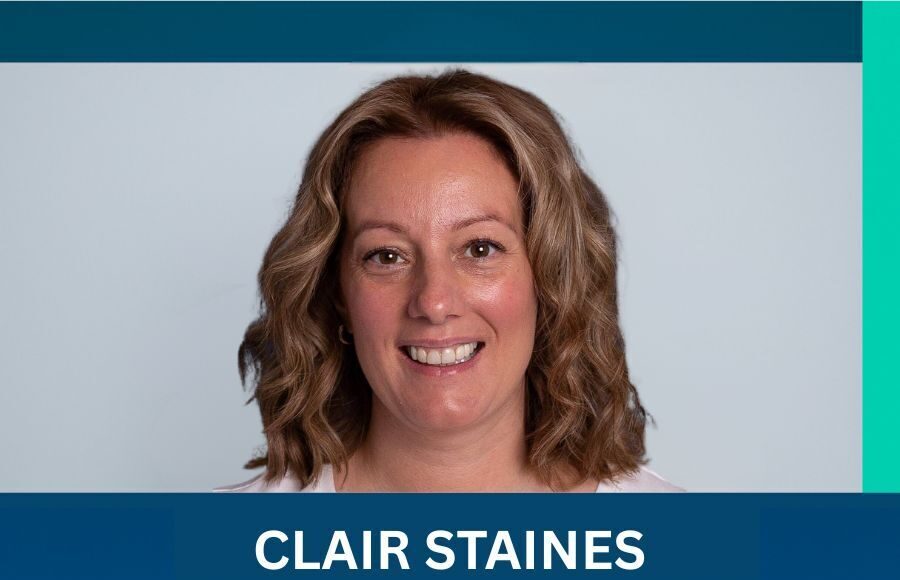
Clair Staines has spent more than 20 years helping businesses turn potential into performance. Now head of people and talent for Europe and the US at energy-tech company POWWR, she’s focused on scaling HR in a way that stays personal, practical and people-first. In 2025, she was named one of the CIPD’s HR30 — a list recognising the UK’s most impactful HR leaders — and she’s since helped shape a workplace where flexibility, wellbeing and trust aren’t just buzzwords.
At home in Manchester, the 45-year-old lives with her husband Paul, a physio, and their two children: Charlie, 13, who’s into coding, and Alice, 10, a self-declared gymnastics prodigy. Staines brings that same mix of structure and spirit to her role, where she’s building inclusive global teams, rolling out financial wellbeing support and making sure HR never loses its human touch.
In this HR Profile, Clair talks about culture, leadership and why showing up with empathy is still one of the most powerful things any manager can do.
Recognised as Best for Financial Wellbeing, how did you design financial wellness programmes that truly resonated across global offices?
Designing financial wellness programmes that truly resonated across our global offices started with one simple principle: listening. I mean really listening. We kicked things off with anonymous pulse surveys and focus groups across our US and UK teams — not just to collect data, but to hear what people were feeling. We wanted to understand the emotional side of money too: how different cultures view financial security, compensation and ambition.

With those insights in hand, my team and I partnered with local benefit providers and financial wellbeing experts to explore what we could offer that truly made sense for each region. For our UK employees, a highlight was teaming up with OctopusMoney, a brilliant partner that delivered everything from personal financial advice to long-term security planning.
We didn’t stop there. We introduced flexible benefits like CashPlan and digital financial counselling, and for our US employees, we added both short-term and long-term disability benefits. Our aim was simple: to make sure our people could access support in real time, in their own language and in ways that felt meaningful and tailored to their individual needs, no matter where they were or what their financial goals or position looked like.
We knew transparency mattered, so we built interactive internal process to show total rewards, explained how compensation structures worked, and made things like pensions, student loans and money feel less intimidating with easy access to resources and advice. But what really brought things to life were the personal stories that were shared and how what we had put in place, how that had positively impacted our people.
In scaling across continents, how have you adapted cultural practices to ensure inclusion in remote and office teams?
At POWWR, I’m proud to be part of a remote-first culture that puts inclusion right at the heart of everything we do. Adapting how we work across continents hasn’t been about ticking boxes, it’s taken curiosity, humility and a real commitment to co-creation. Early on, I recognised that remote and in-person teams don’t just operate differently, they experience work differently, shaped by local culture and lived realities. That’s why we built our approach around three pillars that keep us grounded: one vision, one company, one goal.
Communication has been key. Sure, tech helps, but it’s the intention behind it that makes the difference. We rotate meeting times to keep things fair, celebrate wins out in the open and embrace contributions so no one’s left behind because of a time zone. In our “All Hands” sessions, open Q&As give everyone a chance to speak up, and regular listening sessions let us hear not just feedback, but people’s hopes and ideas for what our culture can become.
We’re big on celebrating across borders, from US to UK holidays; with personal stories, photos and moments of connection that make our differences feel enriching, not distant. When rolling out new initiatives, I always ask: How will this land in Connecticut, Texas or Brighton? It’s those small questions that help us build empathy into everything we do.
Our Wire spotlights have become a favourite for me. They’re little windows into everyday life, showcasing local traditions, proud moments or even someone’s go-to comfort dish. It’s a beautiful way to dissolve divides and spark genuine connection.
And we track how we’re doing, not just by gut feel, but through pulse surveys that tell us how our people feel about belonging, recognition and safety. When gaps show up, we act, whether that’s rolling out manager training or setting up peer-led inclusion sessions that tackle what needs to be heard.
To me, inclusion isn’t something we launch and leave; it’s something we show up for, every day. It means listening with intent, honouring every voice and building rituals that feel meaningful no matter where someone logs in from. Remote or in-person, what matters most is making sure people feel like they truly belong.
What strategies have helped you retain employees amid geopolitical challenges and economic uncertainty?
I’ve learned that keeping brilliant people on board takes way more than competitive pay. At POWWR, I’ve seen firsthand that true loyalty comes from creating an environment where people feel safe, valued and genuinely supported to handle complexity with confidence. It’s not a checklist; it’s an ongoing journey. And some of the practices we’ve built really help, even when things outside our control feel chaotic.
Clear, honest communication is everything. I make it a priority for our leaders to keep updates regular and real. We don’t sugarcoat. We show up, say what needs saying, with cameras on so people can see the humans behind the headlines. That visibility, vulnerability and inclusion go a long way in building trust.
Mental wellbeing matters, especially when everything feels a bit shaky. I’ve worked hard to ensure our People Leaders know how to spot when something’s off, how to listen with empathy and respond with care. We’ve rolled out mental health resources across all our regions, offered flexible schedules and make a point to remind people of what’s available often, and through multiple channels. Our confidential counselling services are there to let people feel seen and supported whenever they need it.
When external chaos makes the future feel uncertain, I double down on career development. Internal progression is something I genuinely care about, so we’ve made space for promotions, created training programmes, partnered with LinkedIn Learning and offer apprenticeships. We also encourage cross-functional collaboration and upskilling, so people don’t just feel like they’re waiting out the storm; they’re moving forward with purpose. Training in communication, personality types and navigating change helps build a team that faces challenges together.
I also believe flexibility is non-negotiable. Our work-from-anywhere policy lets people travel, connect to their roots and build their lives in a way that suits them. And when it comes to time off and benefits, we stay flexible and regional, always asking “what does this person really need?”
And when finances tighten up, I lean into recognition. It doesn’t always need to be monetary. Peer shout-outs, visible appreciation and thoughtful gestures of gratitude go a long way. I’ve seen it build trust and deepen loyalty more than any bonus ever could.
Retention, for me, isn’t about locking people in. It’s about building spaces where they feel good, feel heard and feel like they’re growing. That’s the real magic. When people are supported and cared for, they don’t just stay; they thrive. And for me, it’s not just about where we’re going. It’s about who we’re walking with.
True loyalty comes from creating an environment where people feel safe, valued and genuinely supported.
You champion “People first, always”. How does that philosophy translate into everyday HR practices, from onboarding to performance reviews?
At POWWR, “People First, always” isn’t just something we say; it’s how I lead every day. From the moment someone joins the team, I want them to feel like they truly belong. That means offering a warm welcome, sharing the stories that show who we are and making sure they’ve got the support they need to settle in comfortably.
As people grow with us, I make sure we keep the conversation going, not just during performance reviews but all year round. Whether it’s feedback, guidance or celebrating a win, I believe in being present and making sure people feel seen. I also know that life doesn’t pause for work, so flexibility is baked into how we operate, whether it’s where someone chooses to work from or when they need time to recharge.
One of the things I’m proudest of is that we genuinely listen. Our peoples input shapes how we evolve. When someone speaks up, I take it seriously; we learn; we adjust; and we grow together. Around here, every role has real impact, and I make sure people know just how much they matter.
From onboarding to performance reviews, it’s about creating moments that make people feel valued, heard and supported. Being named one of the CIPD HR30 was a powerful affirmation of that approach. It’s not about flashy perks or big budgets; it’s about showing up for people in ways that matter.
How do you equip managers to lead distributed teams with empathy, given varied regional expectations and norms?
Leading teams across regions and time zones definitely has its challenges, but I’ve always believed that with the right support, managers can lead with empathy and confidence, no matter where their teams are based. For me, it starts with giving people proper cultural insight. Not just a one-pager on customs but real understanding of how our people communicate, collaborate and expect to be led across different parts of the world. That’s why we run practical workshops with real-life scenarios that help managers lead in a way that actually makes sense for their teams.
Listening is huge. I encourage our managers to stay curious, ask thoughtful questions and keep the check-ins regular and be human. When someone feels truly heard, whether they’re next door or halfway around the world, that’s when trust grows.
Consistency matters too. We’ve put solid leadership guides in place so no matter where a team is based, the core rhythm of goal setting, feedback and recognition stays the same. It gives people structure and clarity, while still allowing space for personal and regional styles to shine through. People know what to expect, and that builds confidence.
We also keep an eye on how empathy shows up day to day. Our feedback tools help us spot what’s working and where we need to do better. If someone’s not feeling safe or supported, that’s something I want to know so we can adjust quickly.
And, most importantly, no one’s flying solo. I’ve helped build a strong support network where managers connect, they receive 1-2-1 coaching and lean into shared experience. Whether they’re swapping ideas or tackling challenges together, it’s about creating a space for growth and genuine support.
What frameworks do you use to map career progression and succession in a fast-moving energy-tech environment?
In a fast-paced energy-tech environment, I’ve learned that career growth rarely follows a straight line and that’s not something we try to fix. It’s something we embrace. At POWWR, we’ve built our Career Catalyst framework to give people clarity around how they can evolve, whether they’re sharpening their current skillset or branching into something new.
Succession planning is something I take seriously, but not in a rigid, old-school way. It’s about preparing people early, spotting those with potential, understanding their aspirations and giving them the support they need to grow into future roles. We’re proactive about it, using performance data, development plans and stretch opportunities to make sure readiness isn’t left to chance.
And we don’t let any of it go stale. Regular check-ins and pulse surveys keep us tuned in to how people are feeling and growing. For me, career development isn’t a once-a-year box-tick; it’s a rhythm. One that helps our people stay in control of their journey and feel confident about where they’re headed.
Retention isn’t about locking people in. It’s about building spaces where they feel good, feel heard and feel like they’re growing. That’s the real magic.
Sustainability is core to your sector. How do you tie environmental goals into employee engagement and purpose?
For me, it’s deeply personal. I’ve always felt that environmental goals shouldn’t just live in strategy documents; they should be something our people connect with, believe in and feel proud to contribute to. That’s why we’ve worked hard to make sustainability part of our culture, not just our operations.
As a technology-based company, we’re fortunate that our work doesn’t rely heavily on natural resources. But we don’t take that for granted. We’ve made conscious choices to reduce our footprint; we’re reusing and recycling materials wherever possible and partnering with local small businesses to support the community and cut down on emissions. As we’re a remote-first business across the UK and US, we’ve significantly reduced commuting-related emissions while also giving our team more flexibility and balance. When travel is necessary, we choose CO₂-conscious airlines because every decision counts.
What really excites me, though, is how these goals tie into our people’s sense of purpose. Our team nominates charities they care about, and we rally around them with fundraising events like games nights, raffles and sports challenges. It’s fun; it’s meaningful; and it brings us closer. We also invest in mentoring, partnering with Salford University and offering paid internships that help young people build their careers with confidence and support.
For me, tying environmental goals to employee engagement is about creating a workplace where people feel they’re part of something bigger.
With increasing debate around DEI in Europe and the US, how do you maintain momentum and relevance in your global inclusion efforts?
DEI has become a complex and often polarising topic, especially in the US, where public debate has led some companies to scale back or reframe their efforts. In Europe, the conversation is evolving differently, more quietly, but often more systemically, with inclusion increasingly embedded in regulatory frameworks and ESG strategies. At POWWR, I’ve found that the key to maintaining momentum and relevance in our global inclusion efforts is to stay grounded in authenticity and impact, not just optics.
Our mentoring programmes, paid internships and partnerships with institutions like Salford University are designed to create real opportunities, especially for young people and women. These aren’t just DEI initiatives; they’re part of how we live our values. We’ve seen firsthand how inclusion fuels innovation, strengthens teams and creates a workplace where people feel they belong.
I also believe in listening, really listening, to our people across regions. Inclusion looks different in different places, and we respect that. Our remote-first model has opened doors for more diverse talent and helped reduce barriers like commuting and relocation.
Ultimately, we keep our efforts relevant by making them human. We ask: Who are we helping? What barriers are we breaking? How are we growing together? That’s how we stay committed, not just to DEI, but to building a company where everyone can thrive.
How do you use people analytics to identify underperforming areas or emerging HR trends before they escalate?
People analytics has become one of my go-to tools for spotting what’s working and what’s quietly slipping through the cracks before it turns into a bigger issue.
I start by looking at engagement metrics, turnover trends, and performance data across teams and regions. If a particular team’s engagement scores dip or exit rates spike, that’s a signal worth digging into. Sometimes it could be a leadership issue, sometimes it’s workload or clarity, but the data helps me ask better questions, faster.
I also use pulse surveys and feedback loops to track sentiment in real time. It’s amazing how often emerging trends like burnout, skill gaps or inclusion concerns show up in the comments before they hit the KPIs. By combining qualitative insights with hard numbers, I can spot undercurrents early and work with leaders to course correct.
On the trend side, I keep an eye on things like learning uptake and DEI metrics. If fewer people are applying for internal roles or certain groups aren’t progressing, that’s a cue to rethink access, visibility or support. And because we’re remote-first, I also track collaboration patterns and meeting loads to make sure people aren’t burning out behind the scenes.
Ultimately, it’s about using data to stay proactive, not reactive. I don’t wait for problems to escalate. I use people analytics to tune into what’s really going on and make sure our people feel supported, heard and set up to succeed.
AI will take care of the admin stuff, but the exciting part is how it could personalise development
In a small-to-medium enterprise, budgets can be tight, so how have you creatively maximised impact from limited HR resources?
In a small-to-medium enterprise like POWWR, working with limited HR resources has taught me to be incredibly intentional and creative. We don’t have endless budgets, but we do have a strong sense of purpose and a team that genuinely cares and that’s where the magic happens. For me, it’s always been about making every initiative count and focusing on what truly drives impact.
Being recognised as one of the CIPD HR30 reinforced that belief. It’s a reminder that innovation in HR isn’t always about scale. It’s also about relevance, empathy and making meaningful change with what you have. That mindset has shaped how I approach everything from strategy to day-to-day decisions.
One of the things I’m most proud of is how we’ve built our mentoring program. It didn’t require a big investment, just time, trust and a willingness to share. Our partnership with Salford University has been a brilliant way to connect with emerging talent while giving our team the chance to grow as mentors and leaders.
We’ve also embraced internal growth. Before we look outside, we ask: Who on our team is ready for the next step? That mindset has helped us retain great people and create career paths that feel personal and empowering.
I’ve learned that when resources are tight, clarity matters. We listen closely to our people, use simple tools to streamline admin and focus on what really moves the needle, engagement, development and inclusion.
How do you encourage transparency and authenticity in leadership to strengthen trust across diverse teams?
It starts with leaders showing up as real people not just titles or decision-makers. I always say: If you want trust, you’ve got to earn it by being honest, consistent and human. That means sharing the “why” behind decisions, owning mistakes and being open about what’s working and what’s not. People can spot spin a mile off, so the more genuine you are, the more likely your team is to lean in.
For diverse teams, it’s even more important. Different backgrounds mean different expectations, so leaders need to listen actively and make space for all voices not just the loudest or most familiar. I encourage regular feedback loops, open forums and 1-on-1s that go beyond task updates.
And authenticity isn’t just about being nice it’s about being consistent. If you say you value input, you’ve got to act on it. If you promise transparency, you’ve got to follow through. That’s how trust is built day by day, action by action.
And finally, how do you see HR evolving over the next five years?
Honestly, I think HR’s about to go through a huge shift. Over the next few years, I see HR leaning heavily into skills, not just job titles. People want to grow, switch lanes and pick up new capabilities and HR can help map those journeys without boxing anyone in.
Tech’s going to play a bigger role, for sure. AI will take care of the admin stuff, but the exciting part is how it could personalise development, track vibes across the company and help us stay ahead of what people need. Still, the human part isn’t going anywhere. If anything, empathy, emotional intelligence and proper listening are going to become must-haves, not just nice-to-haves, for anyone leading a team.
I also think HR will become more specialised. We’ll see more roles focused on behaviour, change, culture and data; people who can really help shape how work works. And maybe the biggest change? Unlearning. Teams will need support letting go of old habits, old processes and getting comfy with new ways of thinking.

William Furney is a Managing Editor at Black and White Trading Ltd based in Kingston upon Hull, UK. He is a prolific author and contributor at Workplace Wellbeing Professional, with over 127 published posts covering HR, employee engagement, and workplace wellbeing topics. His writing focuses on contemporary employment issues including pension schemes, employee health, financial struggles affecting workers, and broader workplace trends.
- William Furney

- William Furney
- William Furney
- William Furney