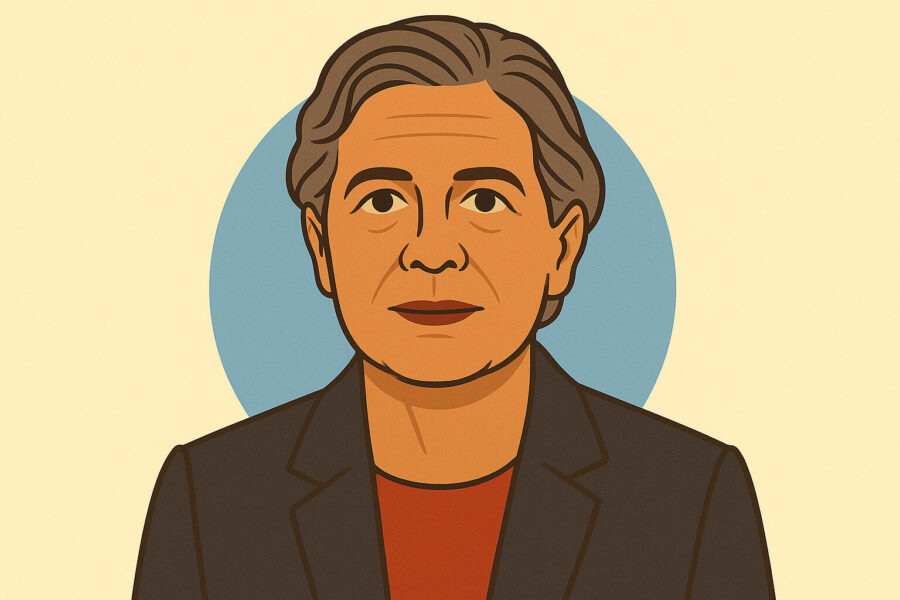
“Never doubt that a small group of thoughtful, committed citizens can change the world; indeed, it’s the only thing that ever has.”
Context
This enduring quote by cultural anthropologist Margaret Mead is a rallying call for social change, grassroots action and belief in the impact of collective effort. Often referenced in campaigns for civil rights, environmental justice and public health, it has also found a home in workplace activism, particularly in employee-led initiatives for equity, climate action and organisational change.
In the UK, the phrase has regained relevance amid rising unionisation efforts, internal pushback against “greenwashing” and renewed calls for employee representation in decision-making. From junior staff challenging unethical practices to ERG (employee resource group) leaders influencing inclusion strategy, it’s increasingly small internal groups — not executive teams — that are shaping company culture.
Meaning
Mead’s quote encapsulates a simple but powerful idea:

- That meaningful societal or organisational change does not begin with consensus, but with a committed few willing to act with integrity and vision.
- That impact often emerges from those without positional power, but with moral conviction, lived experience and the will to persist.
- That in times of uncertainty or institutional inertia, it’s the courage of small collectives that drives progress.
For HR professionals, the quote is a reminder that engagement and innovation may come from unexpected quarters, and that empowering employees to lead change from within is no longer a luxury but a necessity.
Implications
The message has clear implications for employers navigating modern workforce dynamics:
- Empowering employee voice: Whether through structured ERGs, reverse mentoring or open feedback channels, organisations need mechanisms that allow staff to raise concerns, share ideas and advocate for change.
- Shifting leadership culture: HR teams must help leaders see themselves not only as decision-makers, but as facilitators of employee-led action and trust-based collaboration.
- Backing authenticity: Many of today’s most resonant internal movements — around climate, equity or mental health — began as grassroots efforts. Supporting these authentically can boost engagement and enhance organisational credibility.
In an era of transparency and social accountability, a company’s ability to listen to and learn from its own people can be a defining feature of resilience. Mead’s quote remains timeless because it’s not about scale but sincerity and resolve.

William Furney is a Managing Editor at Black and White Trading Ltd based in Kingston upon Hull, UK. He is a prolific author and contributor at Workplace Wellbeing Professional, with over 127 published posts covering HR, employee engagement, and workplace wellbeing topics. His writing focuses on contemporary employment issues including pension schemes, employee health, financial struggles affecting workers, and broader workplace trends.
- William Furney

- William Furney
- William Furney
- William Furney