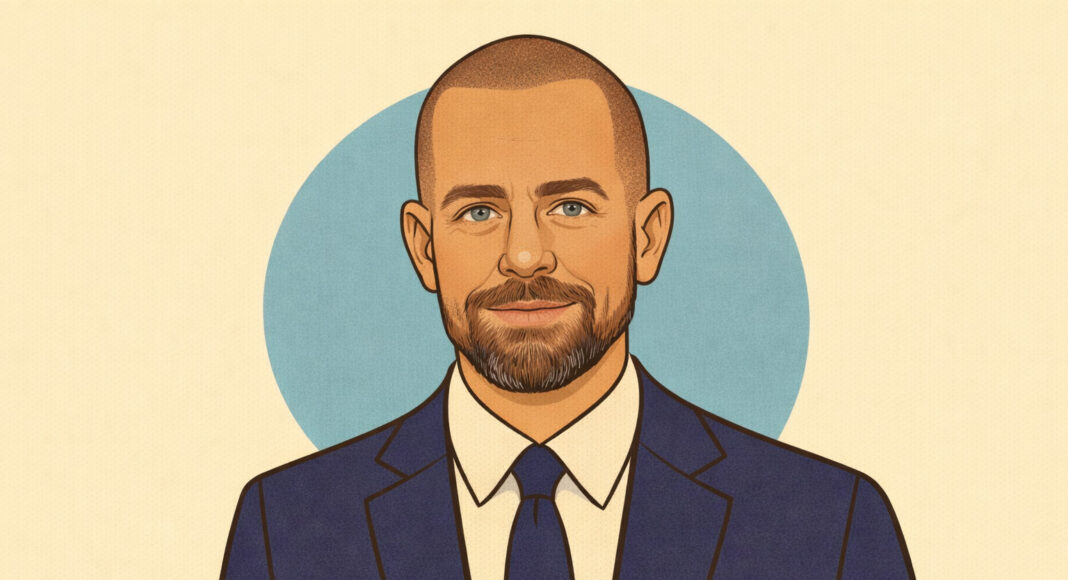
“A new way of working which fundamentally changes what it means to build and run a company.”
Context
Jack Dorsey, co-founder of what was Twitter, now X, and currently chief executive of tech firm Block, has outlined how artificial intelligence is reshaping the structure of his business. As the company moves towards smaller and more streamlined teams, laying off thousands, Dorsey has linked these changes directly to advances in AI and automation.
His statement that “a new way of working which fundamentally changes what it means to build and run a company,” reflects a broader change taking place across industries as organisations rethink how work is organised and delivered.
Meaning
The quote points to change beyond incremental improvement. Rather than simply improving efficiency, AI is beginning to alter the foundations of organisational design, including team size, decision-making and execution.
Dorsey’s framing suggests that traditional models built around large teams and layered management may give way to leaner structures supported by technology. The emphasis is not just on doing things faster, but on redefining how companies are constructed and managed in the first place.

Implications
It suggests technology will take on more work, reducing the need for large teams. As AI takes on more analytical and operational tasks, the role of employees is likely to evolve towards oversight, judgement and strategic thinking.
This also raises questions about how businesses maintain cohesion, culture and accountability with fewer people and more automated processes. The challenge will be to ensure that efficiency gains do not come at the expense of clarity, trust and long-term resilience, as organisations adapt to a model that looks very different from the one it replaces.

William Furney is a Managing Editor at Black and White Trading Ltd based in Kingston upon Hull, UK. He is a prolific author and contributor at Workplace Wellbeing Professional, with over 127 published posts covering HR, employee engagement, and workplace wellbeing topics. His writing focuses on contemporary employment issues including pension schemes, employee health, financial struggles affecting workers, and broader workplace trends.
- William Furney

- William Furney
- William Furney
- William Furney