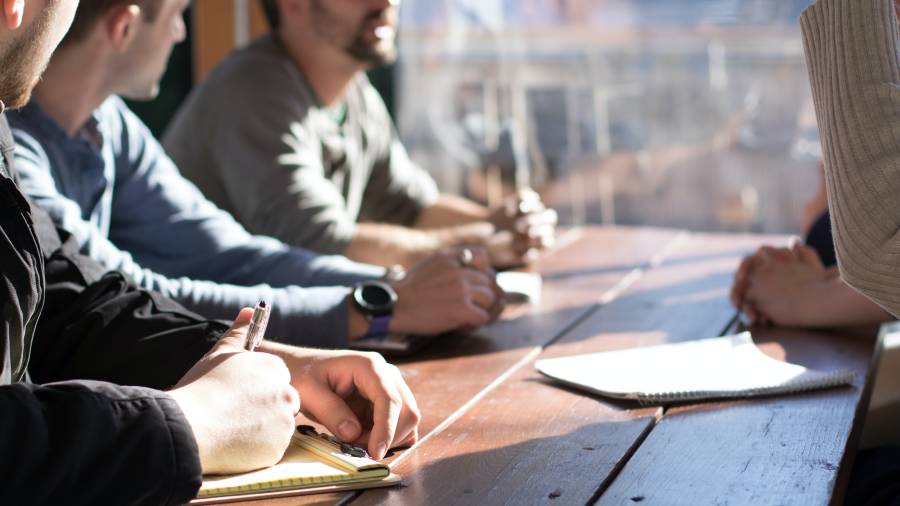
According to a report, specific groups of workers such as those aged under 25 and introverted workers are in need of the most tailored support during this period of lockdown.
Research conducted by Aviva, an international savings, retirement and insurance business, and Robertson Cooper, a business wellbeing company, has found that specific groups may be more vulnerable to the isolation linked with lockdown.
In their joint research, the findings showed that personality played a key role in determining behaviours, preferences and outcomes – both at home and at work. Furthermore, it was also found to predict a third of wellbeing levels.
Overall, the research found that those who are coping better across mental wellbeing, lifestyle, health and work satisfaction tend be more naturally emotionally resilient, and conscientious. However, this also means that some groups that lack emotional resilience are not faring well and therefore, should receive greater support from HR.

Surprisingly, the research conducted shows that almost half of introverts (44 per cent) are more concerned than their extroverted counterparts (32 per cent) about their workplace not being enjoyable in the future.
Additionally, a third of introverts (32 per cent) felt concerned about the security of their job in comparison to only a quarter of extroverts (25 per cent). A further four in 10 introverts (40 per cent) were unsure about their ability to juggle both work commitments and childcare whilst this was only a concern for just over a quarter of extroverts (28 per cent).
Communication is also a key worry for over a third of introverts (36 per cent), fearing that they will not have enough face-to-face time with colleagues.
Another group similarly impacted is young workers. Reporting a significantly higher increase in mental health problems, over half struggled (53 per cent) with anxiety. In addition, almost a fifth of people within this group (17 per cent) rating their mental health as poor.
In order to offer the most tailored support to these employees, Aviva made the following suggestions:
- Address individual mental health and wellbeing needs
- Deliver on emerging flexibility needs
- Uncover employees’ sense of purpose and increase their autonomy in the workplace
Debbie Bullock, Wellbeing Lead at Aviva, comments:
A third of employee wellbeing and satisfaction levels are determined by personality types. Personality is fixed but resilience can be developed in employees, and managers are in a great position to ensure their colleagues have the right skills and confidence to grow in their careers during this continued uncertainty. A little insight, the right conversations and skill-building can go a long way to help identify when people may need more support.
Wherever they are working, people remain a business’ number one asset, and by providing them with the right tailored support, their contribution will be more valuable than ever before. Whilst many employers rightly segment their workforce along demographic lines, it’s critical to include personality type as an additional dimension. This will enable far more targeted interventions and ensure that employers provide the best physical, mental or financial welfare for their employees. The strongest businesses will be those that lead by example and adopt new ways of providing employees with tailored support.
*This research was obtained from Aviva’s ‘Embracing the Age of Ambiguity’ report which surveyed 2,000 UK employees working in organisations with over 1,000 employees was conducted on behalf of Aviva by Quadrangle in February 2020 and repeated in August 2020. The personality data was collected using Robertson Cooper’s i-Resilience tool.

Monica Sharma is an English Literature graduate from the University of Warwick. As Editor for HRreview, her particular interests in HR include issues concerning diversity, employment law and wellbeing in the workplace. Alongside this, she has written for student publications in both England and Canada. Monica has also presented her academic work concerning the relationship between legal systems, sexual harassment and racism at a university conference at the University of Western Ontario, Canada.
- Monica Sharma

- Monica Sharma

- Monica Sharma

- Monica Sharma