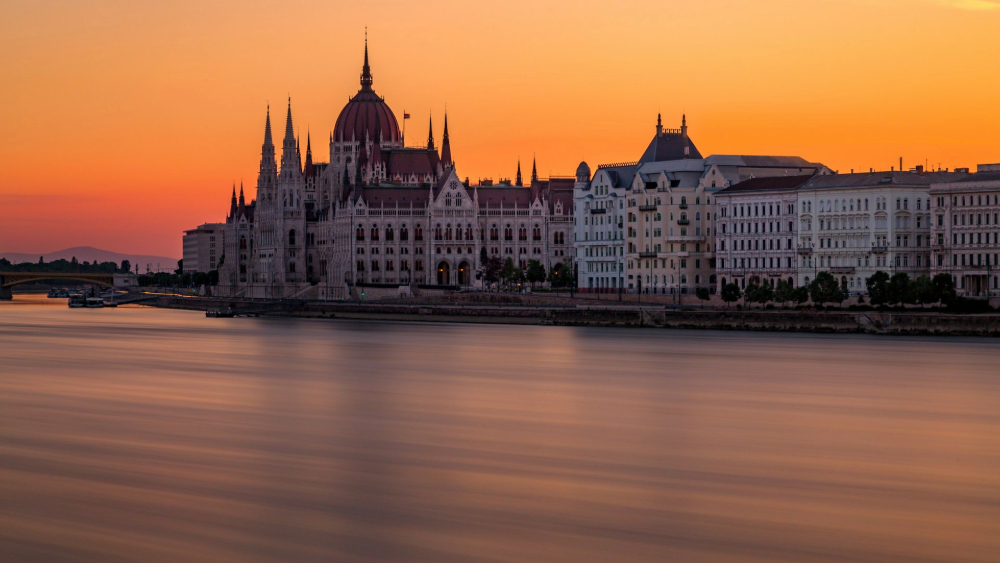
As the global trend of hybrid working continues to reshape how and where people work, Budapest has emerged as the leading city for those looking to combine work and leisure.
The city beat out competition from other global hotspots, including New York, Berlin, and Singapore, in IWG’s second annual ranking of workcation destinations.
Workcations, which involve extending vacations to include remote work, have surged in popularity as hybrid working becomes more entrenched. According to IWG’s research, 84 percent of hybrid workers have either extended a holiday to work remotely or are considering doing so. This growing trend is supported by advancements in cloud technology, which allow employees to maintain productivity from virtually anywhere with a reliable internet connection.
Budapest: The Ultimate Workcation Destination
Scoring 75 out of 100, Budapest excelled in transport accessibility, affordable accommodation, fast broadband, and a wealth of flexible workspaces. Located in Central Europe along the Danube River, the city is known for its stunning architecture, vibrant culture, and green spaces, making it a top choice for digital nomads. With over 200 museums and galleries and a robust infrastructure for remote work, Budapest offers an ideal balance of work and leisure.

Other Top Contenders
Barcelona, the previous year’s top-ranked city, remains a popular choice, earning a score of 73.5. Known for its sunny climate, lively atmosphere, and rich cultural heritage, Barcelona continues to attract hybrid workers with its excellent transport infrastructure and relatively low cost of living.
Rio de Janeiro also made a significant leap in the rankings, tying with Barcelona for second place. The Brazilian city’s improved scores in accommodation, food, and broadband speed, along with its vibrant lifestyle and world-famous beaches, have made it an increasingly attractive option for remote workers.
New Entrants on the List
This year’s barometer also introduced several new cities to the list of top workcation destinations. Austin, Texas, with its dynamic tech scene and rich cultural offerings, is now recognised as an ideal spot for remote work. Podgorica, Montenegro, offers tranquility and affordability, with a growing startup community and co-working spaces nestled between mountains and the Adriatic Sea. Marrakesh, Morocco, and Valletta, Malta, also joined the list, each offering a unique blend of cultural heritage and modern amenities for digital nomads.
The Changing Landscape of Work
The shift towards hybrid working has not only changed professional routines but also expanded travel options for many workers. IWG’s research indicates that 80 percent of workers are now considering destinations they previously wouldn’t have, thanks to the flexibility offered by work-from-anywhere policies.
Mark Dixon, Founder and CEO of IWG, emphasised the growing appeal of workcations: “As more individuals embrace the idea of combining work with travel, we expect this trend to accelerate. Companies adopting WFA policies can enhance employee work-life balance and become more attractive employers.”
IWG, which operates brands like Regus, Spaces, and HQ, continues to support the workcation trend through its extensive global network of flexible workspaces. With locations in over 120 countries, including top workcation cities like Barcelona and Singapore, IWG is well-positioned to meet the needs of the modern remote worker.

Amelia Brand is the Editor for HRreview, and host of the HR in Review podcast series. With a Master’s degree in Legal and Political Theory, her particular interests within HR include employment law, DE&I, and wellbeing within the workplace. Prior to working with HRreview, Amelia was Sub-Editor of a magazine, and Editor of the Environmental Justice Project at University College London, writing and overseeing articles into UCL’s weekly newsletter. Her previous academic work has focused on philosophy, politics and law, with a special focus on how artificial intelligence will feature in the future.
- Amelia Brand

- Amelia Brand

- Amelia Brand

- Amelia Brand