

HRreview 20 Years
This field is for validation purposes and should be left unchanged.
Subscribe for weekday HR news, opinion and advice.
This field is hidden when viewing the form
Optin_date
This field is hidden when viewing the form

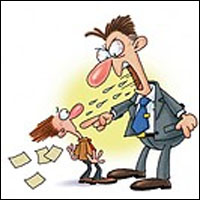
The bad guy comes out on top in organisations

-


The survey indicates that men who measured below average levels of ‘agreeableness’ earned approximately 18 percent more than their friendlier male counterparts, while less agreeable women earned around 5 percent more than their more affable female colleagues.

The study, which looked at data collected over approximately 20 years and is entitled “Do nice guys – and gals – really finish last?”, was carried out by the University of Notre Dame and by the University of Western Ontario.

Derek Irvine, has made the following comments:

“This is certainly a headline grabbing survey: the meaner you are, the more you’re likely to earn. What is particularly worrying about these findings is that they suggest organisations are actively rewarding bad corporate behaviour, or disagreeableness, rather than trying to instil more positive values. Every organisation has a series of values which it expects its staff to align with and it’s highly unlikely that rudeness falls into that category. Why, therefore, are organisations choosing to reward these employees over others?

HRreview Logo

Get our essential weekday HR news and updates.

This field is for validation purposes and should be left unchanged.
Keep up with the latest in HR...
This field is hidden when viewing the form
Optin_date
This field is hidden when viewing the form


“The problem here is that in the majority of cases individual managers are being left with the responsibility of rewarding employees and it seems that those who shout the loudest win. What’s needed within organisations today is a strategic employee recognition programme which aligns rewards with corporate values. This would ensure that those employees who are exhibiting the most positive behaviours will be recognised and rewarded.”


Latest news

Felicia Williams: Why ‘shadow work’ is quietly breaking your people strategy

Employees are losing seven hours a week to tasks that fall outside their core job description. For HR leaders, that’s the kind of stat that keeps you up at night.

Redundancies rise as 327,000 job losses forecast for 2026

UK job losses are set to rise again as redundancy warnings hit post-pandemic highs, with employers cutting roles amid rising costs and economic pressure.

Rise of ‘sickfluencers’ and AI advice sparks concern over attitudes to work

Online influencers and AI tools are shaping how people approach illness and employment, heaping pressure on employers.

‘Silent killer’ dust linked to 500 construction deaths a year as 600,000 workers face exposure

Hundreds of UK construction workers die each year from silica dust exposure as a new campaign calls for stronger workplace protections.
- Advertisement -

Leaders ‘overestimate’ how much workers use AI

Firms may be misreading workforce readiness for artificial intelligence, as frontline staff report far lower day-to-day adoption than executives expect.

Cost-of-living pressures ‘keep unhappy workers in their jobs’

Many say economic pressures are forcing them to remain in jobs they would otherwise leave, as pay and financial stability dominate career decisions.

Must read

Rita Trehan: Opportunities for everyone – thoughts on the International Day of Persons with Disabilities

I came across an article in Fast Company where one of the reporters interviewed two designers at Google. The topic: how to keep accessibility in mind when creating technology. The concept may sound simple, but in reality, it’s not necessarily as intuitive as it sounds.

Julia Meighan: Collaboration is key – How HR can work with Internal Communications teams

As the economy continues to improve, companies are now...
- Advertisement -

You might also likeRELATED
Recommended to you


