

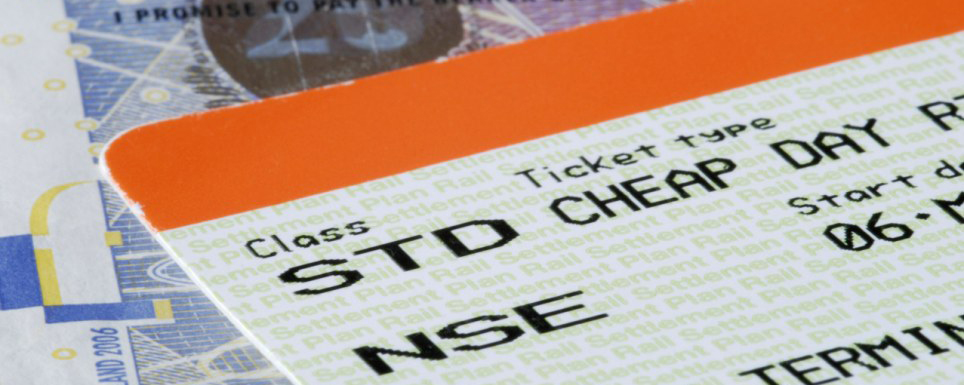
Britain’s rail fares are set to increase by around 1.9 percent on Tuesday morning, far surpassing pay rises in recent years and prompting campaigners to call for the urgent introduction of part-time season tickets to ease the cost for commuters.
The increase in rail fares for 2017 will be determined by July’s Retail Prices Index (RPI) inflation figure, which is published at 9.30am on Tuesday.
Despite the government having committed to the principle several years ago, around 8.5 million people who work part-time or regularly work from home cannot mitigate the cost of their commute in the way that full-time workers can.

Flexible ticketing could save some part-time workers hundreds of pounds a year and encourage more people to take the train, the Campaign for Better Transport said.
James MacColl, of the Campaign for Better Transport, said:
“The current season ticket system still fails to reflect our modern workforce and discriminates against women who make up three-quarters of part-time workers, years after the government committed to roll-out flexible ticketing nationally.”
“It is not good enough for the government to leave it up to franchisees to develop inadequate compromise offers which don’t provide fair discounts.”
Analysis by the TUC and rail unions showed that rail fares have increased at double the speed of wages since 2010, a 25 percent rise compared to a 12 percent rise in average weekly earnings.
Dividends paid to shareholders of private train companies reached £222m in the last year, up 21 percent.
The union’s Action for Rail campaign will hold protests at stations around the UK on Tuesday demanding renationalisation. Pro-nationalisation campaign group We Own It will also hand in a petition signed by nearly 15,000 people to Network Rail urging them to reconsider plans to sell off stations to fund works.
The TUC general secretary, Frances O’Grady, said:
“Rail passengers are paying more and getting even less. Fares go up while trains remain overcrowded, stations are unstaffed, and rail companies cut the guards who ensure journeys run smoothly and safely. Enough is enough. It’s time for rail services to be publicly owned, saving money for passengers and taxpayers alike.

Rebecca joined the HRreview editorial team in January 2016. After graduating from the University of Sheffield Hallam in 2013 with a BA in English Literature, Rebecca has spent five years working in print and online journalism in Manchester and London. In the past she has been part of the editorial teams at Sleeper and Dezeen and has founded her own arts collective.
- Rebecca Clarke

- Rebecca Clarke
- Rebecca Clarke

- Rebecca Clarke







