

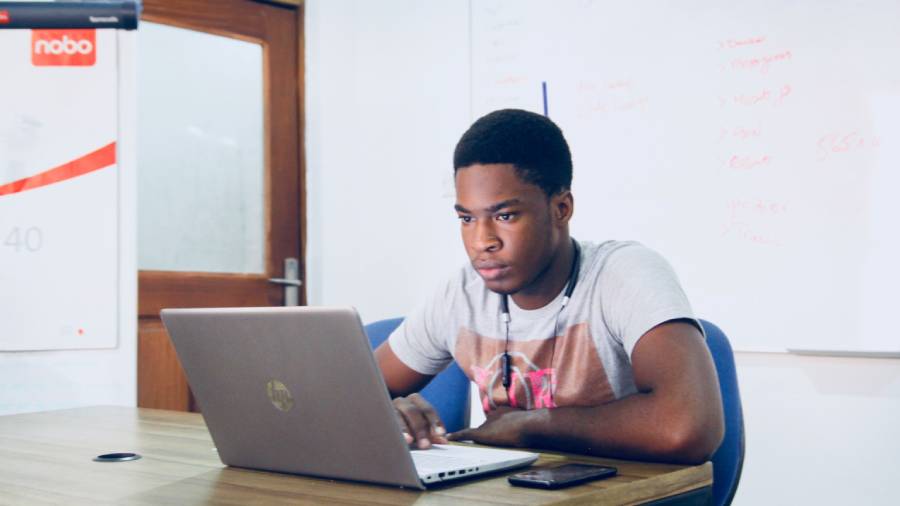
New research highlights the significant impact of coronavirus on young workers with nearly eight of out of 10 young workers globally feeling anxious over being furloughed, experiencing pay cuts and being made redundant.
According to a new report by Aetna International, a global health insurance company, the mental health of young workers has been particularly impacted by the global pandemic.
Almost eight in ten (77 per cent) 18-24 year olds globally reported experiencing feeling anxiety over furlough, pay cuts or being made redundant which has, in turn, negatively affected their performance at work. This was in stark contrast to only 52 per cent of over 55s who shared the same fears.
A similar number of 18-34 year olds struggled with productivity levels as well as an effective work-life balance. For workers aged between 24-35, 80 per cent reported feeling stressed due to working long hours which ultimately hindered their productivity. Just over three-quarters (76 per cent) of young workers aged 18-24 responded that they struggled to separate their work and home life which, again, caused their productivity levels to fall.

However, the problems faced by these groups extended outside of the workplace. Almost two-thirds of employees aged between 25-34 (64 per cent) reported that pressure in their personal relationships has had an impact on their work performance. Over three-quarters of 18-24 year old workers and 24-35 year olds experienced stress after being locked down with family or friends (76 and 73 per cent respectively) which has taken a toll on their performance in the workplace.
Another reoccurring problem was linked to senior leadership. Around a third of UK workers (33 per cent) felt that their senior leadership’s lack of availability to discuss job concerns had negative effects on their work. One-fifth of workers stated that senior leadership failing to outline health support available to them impacted their work performance. This is unsurprising as contracting COVID-19 was a fear that almost three-quarters of UK employees (73 per cent) across the board shared.
Richard di Benedetto, President at Aetna International said:
As heightened restrictions and lockdown measures are now in play across the globe, it has never been more crucial for employers to understand the pressures facing their employees.
The findings suggest that COVID-19 is increasingly segregating employees’ health and wellness needs according to a range of factors including age, work locality and gender. Businesses have an opportunity here to rapidly evolve their approach to worker support to ensure it is on-point.
The pandemic has clearly affected businesses in myriad ways, but perhaps most significantly when it comes to people’s emotional and mental well-being. Our research highlights the need for a rapid step-change in the delivery of mental health care to cater to short-term spikes in demand and the long-term needs that are emerging.
As COVID-19 continues to disrupt everyday life across the globe, and with lockdown once again a reality for many, businesses need to think about how to communicate with employees in a clear, well-defined manner, and engage meaningfully. Business leaders must continue to lead with compassion and strive for a corporate culture that puts well-being at its centre, ensuring employees know what support is available to them, whether that’s locally, at home or in the palm of their hand.
*This research was commissioned by Aetna International who surveyed over 4,000 employees across UK, USA, Singapore and UAE.

Monica Sharma is an English Literature graduate from the University of Warwick. As Editor for HRreview, her particular interests in HR include issues concerning diversity, employment law and wellbeing in the workplace. Alongside this, she has written for student publications in both England and Canada. Monica has also presented her academic work concerning the relationship between legal systems, sexual harassment and racism at a university conference at the University of Western Ontario, Canada.
- Monica Sharma

- Monica Sharma

- Monica Sharma

- Monica Sharma





