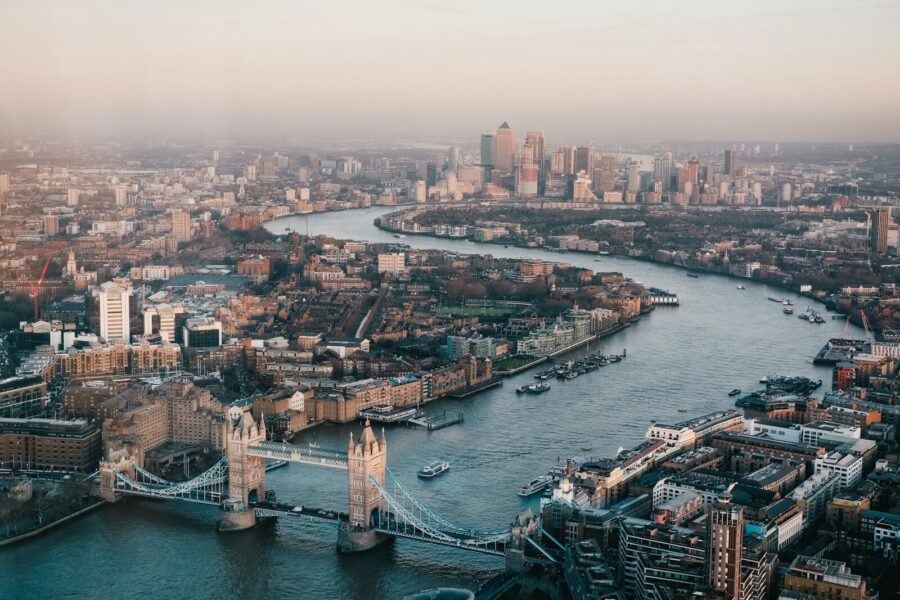
London has emerged as the world’s most burnt-out city, as data shows workers are struggling with rising stress, overwork and the ongoing cost-of-living crisis.
Analysis by workspace provider Instant Offices of search activity across 30 major cities found that the UK capital ranked highest for burnout concern, with Melbourne, Singapore, New York and Sydney completing the top five.
Searches for terms such as “burnout symptoms”, “signs of burnout at work” and “am I burnt out?” have risen sharply this year, with worldwide searches for “burnout signs and symptoms” up 50 percent in 2025.
Pressures facing UK workers
The report reveals that 91 percent of people in Britain have faced “high or extreme” stress over the past year, with one in five needing time off work for mental health reasons linked to workplace pressure. The leading triggers include heavy workloads, unpaid overtime, feelings of isolation at work, job insecurity and the need to take on extra duties to cope with rising living costs.

The Health and Safety Executive reported that 875,000 workers suffered from work-related stress, depression or anxiety in 2022/23, resulting in 17.1 million lost working days. Stress, depression and anxiety accounted for more than half of all work-related illness in the UK.
Ben Wright, head of global partnerships at Instant Offices, warned that burnout was now a pressing issue for employers, with growing evidence that it was affecting both staff wellbeing and company performance.
“Burnout is no longer a buzzword. It’s a reality that employers around the world can’t afford to ignore,” he said. “Our data shows that employees in major cities are increasingly overwhelmed by workload, financial pressures and the expectation to always be ‘on’. Organisations need to take proactive steps to protect employee wellbeing, not only to support their people, but also to maintain productivity and long-term business resilience.”
Global hotspots
While Londoners reported the highest levels of burnout concern, employees in other cities are also under strain.
In New York, 57 percent of workers said stress at work had damaged their productivity and wellbeing.
In Australia, nearly half of employees reported daily stress, with 64 percent disengaged from their roles, fuelling what some have labelled the “Great Australian Burnout”.
In Singapore, almost half of employees said they ended each day mentally or physically exhausted.
Younger employees, particularly those in Generation Z, are more likely to report exhaustion and disengagement. Separate research by Mental Health UK has found that younger workers are more likely to take time off for burnout and are at greater risk of leaving their jobs due to poor wellbeing. Experts warn that early exposure to chronic workplace stress can shape long-term attitudes to employment and erode confidence at a critical career stage.
What burnout looks like
The World Health Organisation defines burnout as a condition linked to chronic workplace stress that has not been successfully managed. Its symptoms include feelings of exhaustion, detachment or cynicism towards work, and reduced professional performance. Physical signs range from fatigue and headaches to irritability, lack of concentration and disrupted sleep.
Lost productivity, absenteeism, presenteeism and higher staff turnover all affect business performance. With recruitment and replacement costs running into thousands of pounds per employee, observers warn that employers cannot afford to ignore the issue.
Organisations are being urged to go beyond surface-level wellbeing programmes and examine workload, management practices and job design. Training managers to recognise early warning signs, reviewing overtime practices and providing access to mental health support are seen as essential steps. Flexible working, clear communication of expectations and creating cultures where staff feel safe to speak up are also cited as effective measures.
Coping strategies for staff
Experts recommend practical steps to help employees reduce their risk of burnout. These include taking regular exercise, maintaining a balanced diet and switching off from work devices outside working hours. Talking openly with colleagues or managers, practising mindfulness or relaxation techniques and prioritising commitments can also make a difference.
With burnout searches at record levels and London ranked as the hardest-hit city, the data suggests the problem is far from temporary. Unless organisations tackle the root causes of stress and provide sustainable support, both employee wellbeing and business resilience are likely to suffer.
Top 30 Global Burnout Cities – 2025
Based on average monthly Google searches for burnout symptoms
London – 2,323 searches (High concern)
Singapore – 1,011 (High)
Melbourne – 948 (High)
Sydney – 874 (High)
New York – 826 (High)
Toronto – 476 (Medium)
Montreal – 372 (Medium)
Berlin – 358 (Medium)
Los Angeles – 331 (Medium)
Amsterdam – 313 (Medium)
Chicago – 252 (Medium)
Houston – 201 (Medium)
Manchester – 183 (Medium)
Hong Kong – 175 (Medium)
Seattle – 174 (Medium)
Vancouver – 169 (Medium)
Munich – 159 (Medium)
San Francisco – 130 (Low)
Atlanta – 119 (Low)
Minneapolis – 117 (Low)
San Diego – 116 (Low)
Philadelphia – 113 (Low)
Paris – 104 (Low)
Dallas – 95 (Low)
Boston – 87 (Low)
Phoenix – 87 (Low)
San Jose – 63 (Low)
Stockholm – 43 (Low)
Shenzhen – 3 (Low)
Shanghai – 0 (Low)

William Furney is a Managing Editor at Black and White Trading Ltd based in Kingston upon Hull, UK. He is a prolific author and contributor at Workplace Wellbeing Professional, with over 127 published posts covering HR, employee engagement, and workplace wellbeing topics. His writing focuses on contemporary employment issues including pension schemes, employee health, financial struggles affecting workers, and broader workplace trends.
- William Furney

- William Furney

- William Furney

- William Furney