

Why are some companies advocating for a return to the office, even in the face of widespread acceptance of remote work?
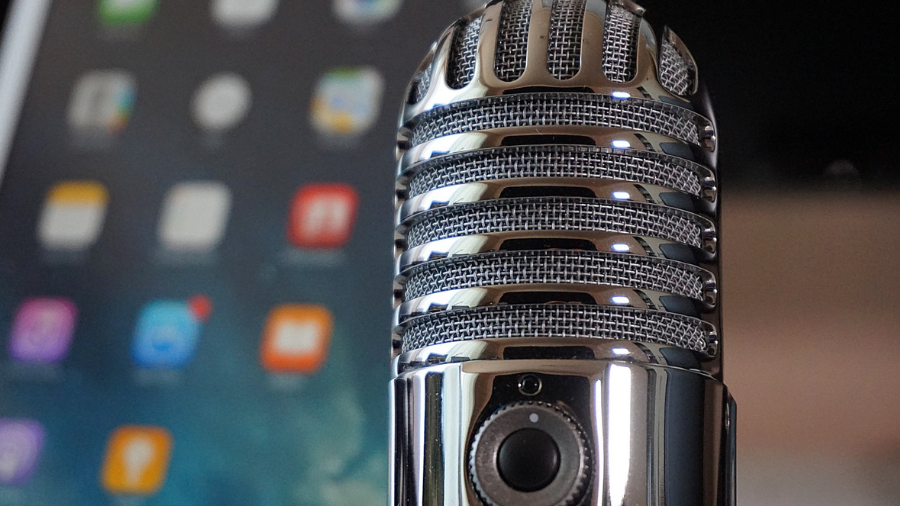
In the latest episode of the HR in Review podcast, host Amelia Brand dives into the ever-evolving landscape of the workplace, tackling pressing questions about remote working and the controversial 4-day week.
The insightful discussion features thought leader and Director of HR Advice and Consultancy at Peninsula, Kate Palmer, offering a wealth of expertise in HR and employment law.
Click here to listen to the free podcast now.

What about the future of office spaces?
The landscape of office spaces is undergoing a significant transformation, spurred by shifts in work culture and the embrace of innovative technologies. Despite the surge in remote and hybrid working arrangements, the demand for office spaces remains robust, with Google Trends data indicating sustained interest in ‘office space.’ This interest, however, comes with a twist, as professionals are seeking workplaces that align with the evolving nature of work.
Here, we explore five key trends shaping the future of office spaces, based on insights from commercial and office estate agency Making Moves.
-
Smart Offices: Embracing the Power of AI
The future office is intelligent, with smart technology taking centre stage. The rise of tech-savvy Millennials and Gen Zers has fuelled an 85 percent increase in Google UK searches for ‘smart office’ from June 2019 to 2023. Interactive office maps, QR code keycards, desk booking apps, and colleague-finding software are becoming staples, streamlining daily tasks and enhancing productivity. Smart workplace analytics also empower business leaders to optimise office layouts based on actual usage data.
-
More Shared Co-Working Spaces: Flexible and Adaptive
The pandemic-induced rise of hybrid work models has given momentum to shared co-working spaces. Google UK searches for ‘shared office space’ surged by 129 percent in June 2023 compared to 2019. The demand for adaptable working spaces extends beyond shared offices, with businesses seeking flexible rental options, including daily rates, to accommodate diverse work needs.
-
Commute-Worthy Offices: Balancing Work and Life
In the pursuit of a healthy work-life balance, offices are evolving into more than just places to work. Employers are enhancing office spaces with amenities like gyms, game rooms, or yoga studios. Google searches for ‘office with gym’ reached a five-year peak in 2023, reflecting a growing desire for offices that offer spaces to unwind. These additions not only improve workplace well-being but also serve as magnets for talent in a competitive labour market.
-
Fewer Workers Mean Smaller Spaces: Optimising Square Footage
Hybrid working has led businesses to revaluate their office space needs, resulting in a trend toward smaller, more efficient workspaces. As of 2023, Google searches for ‘small office spaces for rent near me’ and related terms receive a combined 7,500 searches per month, indicating a growing interest in downsizing for cost savings and environmental sustainability.
-
Biophilic Workspaces: Bringing Nature Indoors
The future of office design leans towards biophilic elements, injecting more greenery into workspaces. Google UK searches for ‘biophilic design’ average around 1,800 searches per month, reflecting a growing interest in incorporating natural elements. Green walls, indoor trees, and garden spaces are becoming integral components of office design, fostering increased happiness, reduced stress, and improved overall well-being.
Tom Warren, Director of Agency (West End) at Making Moves London, comments on these trends, stating, “The future of work is about balance – spaces that foster productivity, collaboration, and wellbeing. By embracing new trends and technologies, offices can remain vibrant hubs where company culture thrives.”
As the workplace continues to evolve, staying attuned to these emerging trends ensures that offices remain dynamic environments that cater to the ever-changing needs of modern professionals.
Click here to listen to the free podcast now.

Amelia Brand is the Editor for HRreview, and host of the HR in Review podcast series. With a Master’s degree in Legal and Political Theory, her particular interests within HR include employment law, DE&I, and wellbeing within the workplace. Prior to working with HRreview, Amelia was Sub-Editor of a magazine, and Editor of the Environmental Justice Project at University College London, writing and overseeing articles into UCL’s weekly newsletter. Her previous academic work has focused on philosophy, politics and law, with a special focus on how artificial intelligence will feature in the future.
- Amelia Brand

- Amelia Brand

- Amelia Brand

- Amelia Brand






