

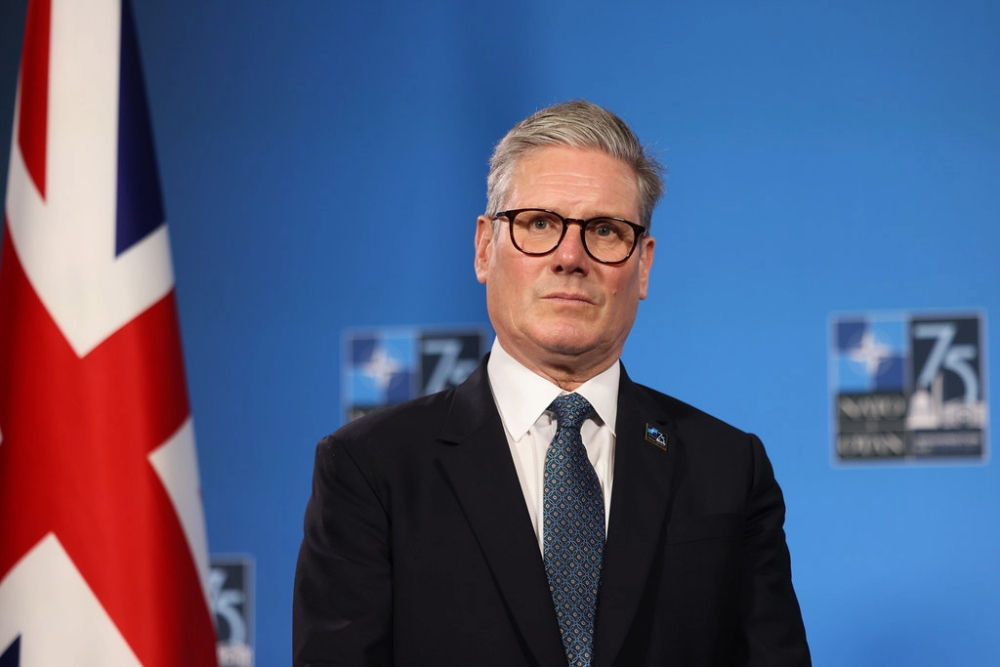
Prime Minister Sir Keir Starmer has voiced strong support for remote working, following warnings from Downing Street that a prevailing “culture of presenteeism” is detrimental to productivity.
This comes as the government considers introducing a “right to switch off,” a policy that would enable employees to disengage from work-related communications outside of office hours.
The proposed legislation, spearheaded by Deputy Prime Minister Angela Rayner, is part of a broader reform aimed at enhancing workers’ rights and addressing Britain’s persistently low productivity levels. Under the plan, a code of practice would be established, offering guidelines on how employers should manage after-hours contact with their employees. Workers who are habitually disturbed outside of working hours could potentially receive significant compensation.
Downing Street has emphasised that this initiative is designed to strike a balance between the flexible working practices that emerged during the COVID-19 pandemic and the need to prevent employee burnout. “Good employers understand that for workers to stay motivated and productive, they need to be able to switch off,” a spokesperson for the Prime Minister stated. “A culture of presenteeism can be damaging to productivity.”

Against a one-size-fits-all approach
The government recognises that a one-size-fits-all approach is not feasible, acknowledging that different industries and roles have varying requirements. However, the emphasis remains on avoiding the blurring of work-life boundaries, which can lead to employee fatigue and reduced efficiency.
Starmer’s endorsement of flexible working marks a significant departure from the stance of the previous Conservative government, which had pushed for civil servants to return to the office post-pandemic. The Labour administration has since softened these measures, reflecting a more supportive attitude toward remote working practices.
Despite these reforms, concerns have been raised by some business leaders, including Kevin Hollinrake, the shadow business secretary. Hollinrake warned that Labour’s proposed changes could stifle growth and urged the government to consult with businesses to ensure the right balance between flexibility and productivity is achieved.
In response to questions about whether the new “right to switch off” would extend to civil servants and advisers within No 10, a Cabinet Office minister confirmed that working hours for these employees are clearly defined in their contracts.
Sir Keir’s stance on work-life balance is personal as well as political. Before taking office, he famously pledged not to work past 6 p.m. on Fridays to spend time with his family. However, since assuming the role of Prime Minister, he has faced a series of crises that have tested this commitment.
Starmer’s shift toward embracing flexible working signals a broader transformation in how the government views the modern workplace, aiming to foster an environment where productivity is driven by outcomes rather than hours spent at a desk.

Amelia Brand is the Editor for HRreview, and host of the HR in Review podcast series. With a Master’s degree in Legal and Political Theory, her particular interests within HR include employment law, DE&I, and wellbeing within the workplace. Prior to working with HRreview, Amelia was Sub-Editor of a magazine, and Editor of the Environmental Justice Project at University College London, writing and overseeing articles into UCL’s weekly newsletter. Her previous academic work has focused on philosophy, politics and law, with a special focus on how artificial intelligence will feature in the future.
- Amelia Brand

- Amelia Brand

- Amelia Brand

- Amelia Brand





