

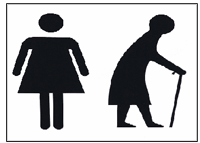
 A generation of older women are facing growing discrimination on grounds of both gender and age, the shadow home secretary Yvette Cooper has claimed.
In an interview with the Guardian, the Labour MP argued that increasingly today’s older women find themselves caught between caring for elderly parents and grandchildren while suffering from outdated workplace practices, something that has been exacerbated since the start of the economic downturn.
“A toxic combination of sexism and ageism is causing problems for this generation,” she said.
Her comments came as Labour announced the launch of a new Commission on Older Women at its annual Women’s Conference in Manchester.

The Commission will be chaired by Labour’s deputy leader Harriet Harman and will seek to address a number of issues facing older women in the UK today, including workplace discrimination.
It will draw up proposals for tackling ageism and sexism and consider whether further legislation is needed to tackle discrimination.
The Commission will also provide a social care information service to help women looking after family members.
“This is really a first step for women who don’t even know where to go for help,” Ms Cooper told the newspaper.
“They may have a mum in Bolton who increasingly needs help and support and they may live somewhere else and have no idea what to do. Whether it’s the council, a voluntary organisation or just a neighbour, this information service will help.”
Research by the Labour Party has revealed that older women have been impacted more than most by the economic downturn, particularly when it comes to their inclusion in the workplace.
Since the coalition came to power in May 2010, unemployment among women aged 50-64 has risen by 31 per cent to 142,000, compared with an overall increase in all unemployed people over 16 of 4.2 per cent.
Furthermore, the number of long-term unemployed (those out of work for 12 months or more) has increased by 105,000 to 904,000 since May 2010 and women make up 82,000 of the rise, or 78 per cent.

Pamela Flores is an events professional with experience at Symposium Events, a UK-based conference and events organization. She has worked in editorial and event coordination roles within the HR and expatriate management sector, contributing to the organization of major conferences including the Expatriate Management and Global Mobility conference. Her background spans online editorial work and events management within the professional conference industry.
- Pamela Flores

- Pamela Flores

- Pamela Flores

- Pamela Flores






