


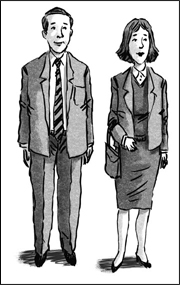
 Winter is now just a distant memory and sunshine and hot weather are on their way (we hope!), and while we all love a lazy afternoon lounging in the park and soaking up some rays, what happens when pool party attire starts to spill over into the office?
There aren’t many people who would argue that an employer isn’t entitled to ask its staff to comply with a reasonable dress code designed to promote a positive and professional image. This is especially true of staff in client-facing roles, although there are perhaps some less tangible benefits of having a dress code even when employees will not be meeting clients, such as creating a team atmosphere and promoting standards of professionalism.
However, it is possible to go too far, and attempts to enforce a dress code can go wrong. Earlier this year, Swiss bank, UBS faced a certain amount of ridicule in the press for issuing a 44 page dress code to staff, which contained advice for female staff on the colour of stockings and lingerie that is acceptable, how to apply makeup and what kind of perfume to wear as well as advising male staff men on how to properly knot a tie, how often to get a haircut and to avoid unruly beards. Both sexes were advised to avoid onion or garlic breath.
Clearly, 44 pages of advice on, not only general standards of appearance, but also on personal grooming and hygiene (including a recommendation to keep toenails clipped short and well filed in order to protect tights from snagging) goes beyond what most staff would expect of a dress code. So, what issues should employers be considering in implementing a dress code that will keep beach-chic out of the office, without opening themselves up to criticism, if not ridicule?
One of the biggest problems that employers may face is that, if they are too prescriptive about work wear, the result will be indirectly (and unintentionally) discriminatory potentially on grounds of sex. Conventional standards of dress for men and women will often provide one sex with more flexibility and choice than the other. However, having said that, case law does tend to show that it is a difficult task to persuade Employment Tribunals that a dress code that differs for men and women does treat one sex “less favourably” than the other – treating one sex differently to the other does not have to amount to the treatment being less favourable, as long as the approaches taken, and the standards applied, to both sexes are the same.

Another potential pitfall associated with overly prescriptive dress codes is that such a policy may be indirectly discriminatory on grounds of religion as many world religions require the wearing of certain items of clothing that might otherwise be prohibited. An employer may be able to objectively justify an indirectly discriminatory dress code if there is clear evidence that is a proportionate means of achieving a legitimate aim. However, for this to be successful, careful consideration should be given to any specific requirement to e.g. not have a beard or to not wear any headwear when drafting a dress code policy, so that unnecessary complaints and claims can be avoided.
So, in conclusion, try to keep standards general – prohibitions on (for example) casual gym or beachwear, frayed clothing or overly revealing items, will be less likely to cause problems than getting into specifics as to what is and isn’t acceptable. And also ensure that any dress code policy (like any company policy) is implemented fairly and consistently across all members of staff.

Caroline‘s practice focuses on all aspects of employment law acting for both employers and employees on contentious matters such as unfair dismissal and discrimination claims, and non-contentious matter such as contract and policy drafting. Caroline is a member of the Employment Lawyers Association.
Her recent experiences include advising employees and employers on claims in the Employment Tribunal including unfair dismissal, age discrimination, race discrimination, disability discrimination and whistle blowing.
Caroline is also a member of the Employment Lawyers Association.
- Caroline Essex

- Caroline Essex

- Caroline Essex

- Caroline Essex




