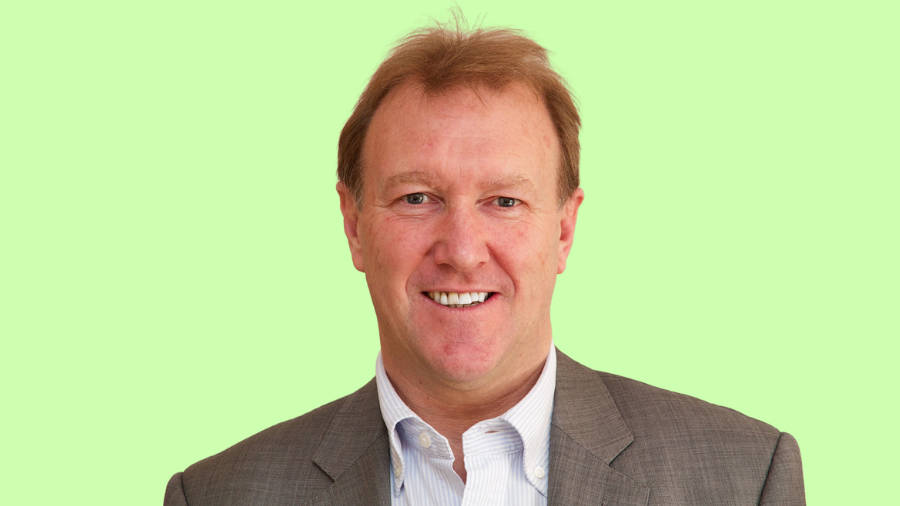
Catherine Mann’s recent and well-publicised comments are really based on an old model of the world where the majority of employees were in the office, writes Andrew Mawson.
No longer are those that choose to work at home or remotely seen as 2nd class citizens and bypassed for bonuses and promotion.
Presence bias is a thing of the past
Ms Mann suggests that women who work mostly from home risk hurting their careers as more of their male colleagues return to the physical office post-pandemic.
While there is no doubting the fact that ‘presence bias’ existed pre-pandemic as it exists now. The research is very clear on this point. However, this wasn’t just associated with women. It’s unfair to make that divide.

The difference now is that now, many organisations will shift to a hybrid model where everyone isn’t in the office every day. The default position has changed for many organisations and the idea that everybody needs to be in the office every day is being seriously challenged.
This means that CEOs, Chief Execs, and HR leaders, must re-model their performance management processes to be more outcome orientated and less based on a single managers’ opinion. They need to evolve to irradicate presence bias in what is an increasingly mobile world of work.
Employers need to decide what is the right balance for their workforce
Regardless of an individual’s gender, a battle is simmering between employees who are embracing the new world of work and some senior powerful leaders who are reluctantly clinging on to the pre-pandemic world that they should leave behind.
It’s a tug of war which will be going for some time, until at least organisations have had the right conversations and found suitable arrangements for their workforce.
The pandemic has fundamentally changed the demands and dynamics of work. Almost two-years of working from home has shown many knowledge-based organisations do not need their teams in the office eight hours a day, five days week because most employees can perform much of their role virtually.
Empathetic workplaces are important
Our research suggest trust and social cohesion are critical to sustained hybrid working where people are seeing less of each other. When people are friendly and trust each other, they are inclined to give each other the benefit of the doubt, deal with difficult topics more effectively and be more generous with their support and knowledge.
Organisations need to maintain business friendliness, not disregard the emotions and feelings of their employees. Organisations need to invest in social cohesion and model trusting behaviours across the organisation.
A shared vision and goal clarity are also key ingredients in enabling individuals and teams to focus their energies on the things that will make a difference to the performance of the organisation. Inclusive processes where whole populations participate in a process to determine an organisations vision and goals helps everyone feel closer to the organisation and of something.
Managers must stop micro-managing
Managers need to relinquish control. Performance can no longer be measured by someone’s time in the office or their hours on the clock. That’s now an archaic approach. The work is getting done, regardless of where an employee is.
Organisations are on a journey of change to align with new norms. It will take a little while yet for them to find what works best for their workforce, of all gender orientations.
We are going to be going through this normalising process for some time.
The future will be very different, and if companies want the very best talent, then they will have to pull out all the stops to attract and retain them. And that includes listening very carefully to them.
====
Andrew Mawson is leader of global workplace consultancy Advanced Workplace Associates (AWA) and founder of Workplace Week. He has worked with some of the world’s leading organisations on their journey to explore and implement new forms of working and workplace.