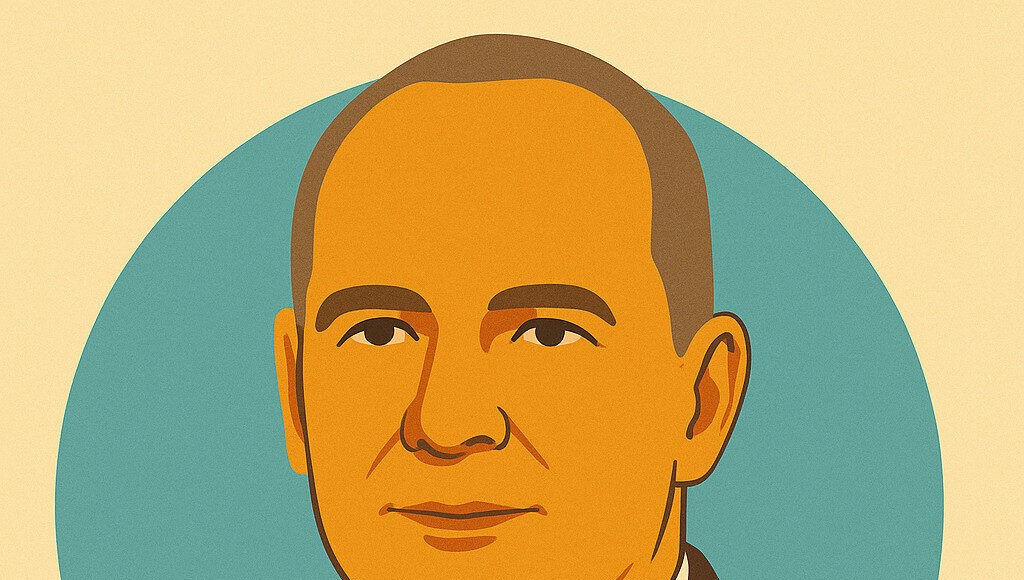
“Many more people could remain in work if they receive the right support — and that’s exactly what Keep Britain Working is about.”
Context
Business and Trade Secretary Peter Kyle made the remark as the government launched its Keep Britain Working initiative, a three-year collaboration between major employers and the Department for Work and Pensions aimed at tackling the UK’s rising rate of economic inactivity.
The move follows the Keep Britain Working Review, chaired by former John Lewis Partnership chair Sir Charlie Mayfield, which found that ill-health and poor workplace support are now among the biggest barriers keeping people out of work. The vanguard programme will see companies such as Currys, Timpson, Bupa and Phoenix Group test new approaches to employee health, early intervention and return-to-work support.
The government said almost 11 million people have long-term health conditions, with over 2.8 million now out of work due to illness, which is the highest figure on record. Ministers hope employer-led action will reduce sickness absence, improve inclusion and ease recruitment pressures.
Meaning
Kyle’s statement emphasised that the employment gap created by long-term sickness is not inevitable and that effective workplace support can help many people remain economically active. By framing the issue as one of “the right support” rather than state dependency, his comment points to a shift in tone, from welfare to workforce.

The message aligns with the government’s productivity agenda and its call for shared responsibility between employers and the state. It also reinforces the idea that health and employment policy are increasingly intertwined, with HR departments positioned as the bridge between them.
Implications
Keep Britain Working represents a growing expectation, experts say, that wellbeing and absence strategies deliver measurable results in retention and productivity. Employers may need to strengthen early-intervention programmes, ensure health data is captured consistently and evaluate the impact of support services on workforce participation.
The initiative is likely to put occupational health back on the boardroom agenda. Reviewing partnerships with healthcare providers, investing in manager training and embedding mental-health awareness across teams will all form part of meeting the new expectations.
Companies that treat health and employability as core to business strategy could benefit from higher engagement and reputation gains, while those that fail to adapt risk being left behind as government and investors increase scrutiny of workforce health outcomes.
Ultimately, Kyle’s comment is a reminder that keeping people in work is not only an economic necessity but also a shared moral one, and that how employers respond will shape both workplace culture and the wider economy in the years ahead.

William Furney is a Managing Editor at Black and White Trading Ltd based in Kingston upon Hull, UK. He is a prolific author and contributor at Workplace Wellbeing Professional, with over 127 published posts covering HR, employee engagement, and workplace wellbeing topics. His writing focuses on contemporary employment issues including pension schemes, employee health, financial struggles affecting workers, and broader workplace trends.
- William Furney

- William Furney
- William Furney
- William Furney