
HRreview 20 Years
This field is for validation purposes and should be left unchanged.
Weekday HR updates. Unsubscribe anytime.
This field is hidden when viewing the form
Optin_date
This field is hidden when viewing the form

When health and safety goes too far

-

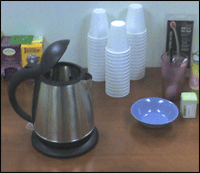
Bans on yo-yos in playgrounds, knives in kitchens and kettles in offices have all been wrongly blamed on workplace safety laws this year, a new report has revealed.

A health and safety “myth-buster” panel set up to expose mis-uses of the law – or just silly decisions – has received scores of complaints from members of the public in 2012.

The panel has now responded to its 100th case, with 38 put down to jobsworths making an excuse for an unpopular decision or simply poor customer service.

Almost a quarter of the cases were found to involve over-interpretation of legitimate guidelines, leading to daft decisions being made – probably through fear of being sued.

 

HRreview Logo

Get our essential daily HR news and updates.

This field is for validation purposes and should be left unchanged.
Weekday HR updates. Unsubscribe anytime.
This field is hidden when viewing the form
Optin_date
This field is hidden when viewing the form


Cases included a bus driver who refused to let a passenger on with a cup of hot coffee, a pub customer told he could not carry a tray of drinks from a bar to his table, a charity shop refusing to sell knitting needles, and an airline passenger told to stop sucking a boiled sweet – all on “health and safety” grounds.

Employment Minister Mark Hoban said: “It’s so frustrating when people are stopped from doing perfectly sensible things on the false pretence of health and safety.

“The panel has now exploded 100 myths and is helping ordinary people fight back against the jobsworths.”

Judith Hackitt, who chairs the Health and Safety Executive, said: “It’s really important that we are all ready to challenge stupid decisions made in the name of health and safety, and that we as the regulator give the public the confidence to do so.

“Not only do the jobsworths who make these ridiculous edicts waste time and money, and interfere needlessly with harmless activities, they also undermine our efforts to reduce the number of people made ill, injured or killed by their work.

“There’s a lot myths about what health and safety requires, and a good deal of confusion. Getting the focus back on managing real risks in a sensible and proportionate way is a gift we could all enjoy this Christmas.”

.

Latest news

Sainsbury’s manager wins £12,000 after being left out of social media post

Tribunal awards supermarket manager £11,852 after exclusion from a leadership post during sick leave linked to anxiety.

Camilla Arnett on Leading HR at Connective3

Camilla Arnett shares how she balances leadership, flexible working and family life while guiding people strategy.

Money worries drive surge in workplace absence as four in five staff take time off

Financial stress is driving workplace absence and reduced performance, with most UK employees taking time off.

Josiah Lockhart: Benefits of engaging with employees’ hidden home-heating challenge

The office thermostat can be a point of discussion – or contention – at work, but the temperatures of our home workspaces get far less attention.  
- Advertisement -

Job adverts list legal rights like holidays as workplace ‘perks’

Nearly one in five UK job adverts present legal entitlements such as holiday leave as workplace perks while 30% fail to disclose salary information.

‘Most workers left behind’ as companies rush into AI

Most employees are not being trained in AI despite widespread investment, leaving organisations struggling to turn ambition into real capability.

Must read

Byron Nicolaides: Solving the skills gap with continuous learning

As digital transformation takes hold, a one-off qualification will no longer be enough to see an employee throughout their career.

Kate Palmer: Investigation finds companies are reporting “statistically improbably” gender pay gaps

Although many companies are yet to publicly publish their gender pay gap information, there are already concerns that those who have uploaded their data online may be miscalculating or misreporting their results.
- Advertisement -

You might also likeRELATED
Recommended to you



