Calls are growing for employers to expand working from home as fears mount over fuel shortages linked to the Iran conflict and disruption to global oil supplies.
A former energy executive has warned that Britain could face shortages within weeks, raising concerns about the impact on commuting, business operations and workforce planning.
The warning comes as global energy markets face their biggest shock in decades, with disruption to oil flows through the Strait of Hormuz already pushing up costs and fuelling uncertainty.
Hormuz disruption drives global energy shock
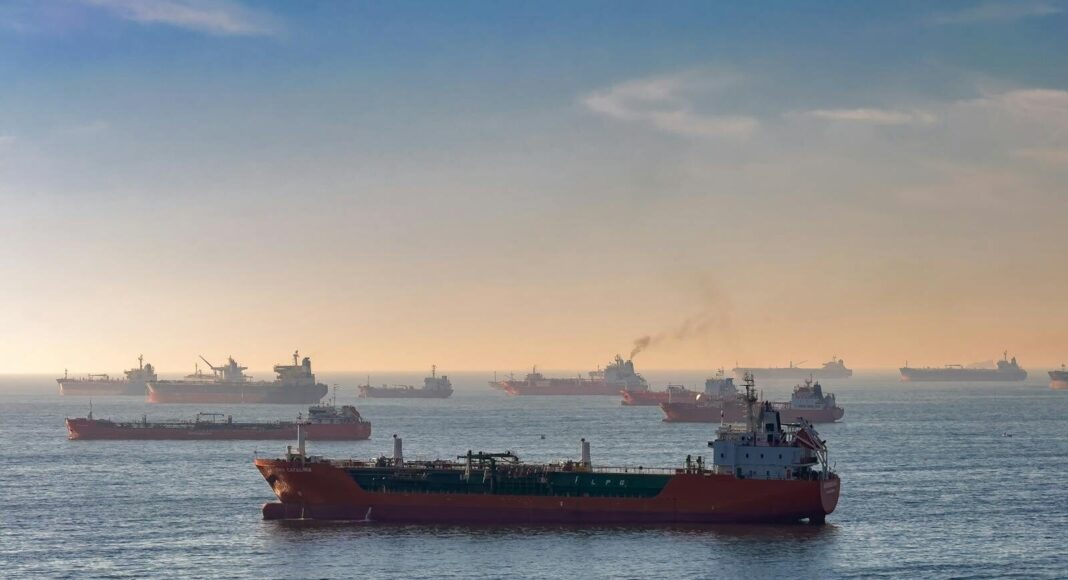
The Strait of Hormuz, a narrow shipping route between Iran and Oman, normally carries around 20 percent of the world’s oil supply, making it one of the most critical energy chokepoints globally.

Since the outbreak of war in late February, traffic through the strait has been severely disrupted, with shipments falling sharply and tankers unable to pass safely.
The situation escalated further this week after a US-led naval blockade was imposed, restricting movement to and from Iranian ports and intensifying pressure on already strained supply chains.
Oil prices have surged as a result, with physical crude in Europe approaching $150 a barrel at peak levels and benchmark prices remaining above $100, while analysts warn shortages could persist if flows are not restored.
The International Energy Agency has described the situation as one of the largest supply shocks in modern history, with global output already reduced and further disruption expected if the conflict continues.
WFH suggested as practical response
Professor Nick Butler, former vice president of oil giant BP and adviser to former prime minister Gordon Brown, said encouraging remote working could help ease pressure on fuel demand.
“Yes, I think that that would be a perfectly sensible measure,” he said on Times Radio on Tuesday. “I’m waiting for the government to publish what they’re supposed to publish in these circumstances, which is a national emergency fuel plan.”
He said delays in government planning risked worsening the situation. “I think the way to avoid panic buying is to lay out a plan of what’s going to be done,” he said.
“We’ve now had six weeks during which none of the tankers have come through Hormuz. Those tankers take weeks to get to their destination, and we’re now running out of the tankers that set off before the war began.
“So there’s now going to be a real gap in supply. I think the boss of Shell said it a couple of weeks ago, and I think he was exactly right, that the real crisis for Britain and for Europe will come at the end of April and in early May, when the real shortage will translate into both a physical shortage and a sharp rise in prices.”
Employers face renewed pressure to adapt
The prospect of fuel shortages is likely to have direct implications for employers, particularly those reliant on commuting or transport-heavy operations.
Fuel costs have already risen sharply since the conflict began, increasing the cost of travelling to work and placing additional strain on employees.
At the same time, supply disruption risks affecting logistics, business travel and service delivery, particularly in sectors dependent on road transport or aviation fuel.
The wider economic outlook is also deteriorating. The International Monetary Fund has warned that a prolonged escalation in the conflict could push the global economy towards recession, driven in part by rising energy costs.
Sebastien Marchon, chief executive at expense management platform Rydoo, told HRreview that businesses were already seeing the impact across multiple areas of spending.
“Rising fuel costs driven by ongoing geopolitical tensions don’t just impact the airlines, they create a ripple effect across everyday business expenses. From mileage claims to taxis and overall travel logistics, businesses are seeing in real-time the cost of travel steadily creeping up,” he said.
“Many companies still rely on fixed reimbursement rates, which can quickly become outdated in a volatile environment. As energy prices shift, this creates a disconnect between real-world costs and what employees are reimbursed, potentially leaving some out of pocket.
“To ensure employee wellbeing, businesses need real-time visibility into spend and the flexibility to adjust policies as conditions change. Without that, it becomes much harder to control costs or support employees fairly, leaving organisations at risk of losing control over budgets and placing unnecessary financial strain on their employees in times where it matters most.”
Flexible working returns as resilience tool
The situation is bringing flexible working back into focus as a practical tool for managing disruption.
Experts say the challenge for employers will be balancing operational needs with workforce resilience, particularly as uncertainty over energy supply and costs continues.
As the impact of the Iran conflict unfolds, businesses may need to revisit contingency planning and consider whether flexible working arrangements can help limit disruption and support employees facing rising travel costs.

William Furney is a Managing Editor at Black and White Trading Ltd based in Kingston upon Hull, UK. He is a prolific author and contributor at Workplace Wellbeing Professional, with over 127 published posts covering HR, employee engagement, and workplace wellbeing topics. His writing focuses on contemporary employment issues including pension schemes, employee health, financial struggles affecting workers, and broader workplace trends.
- William Furney

- William Furney
- William Furney
- William Furney