
Protection is an essential part of financial planning, says report

-

Even when life is going well, managing our day-to-day finances takes time and sticking to a budget can be challenging

But what happens if something changes or goes wrong? A new report from leading Financial Wellbeing Provider, Neyber, tells us more.

Being uncertain about how to cope if we couldn’t work or were hit with an expected expenses leaves us feeling vulnerable and lacking the control we need.

HRreview Logo

Get our essential weekday HR news and updates.

This field is for validation purposes and should be left unchanged.
Keep up with the latest in HR...
This field is hidden when viewing the form
Optin_date
This field is hidden when viewing the form


This means making sure we have some way of paying for smaller things like unexpected bills, as well as protection policies in place for bigger problems such as losing a job, as a part of our financial planning.

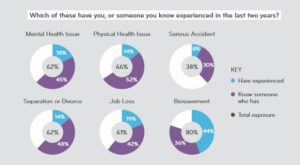
This year’s research showed that the majority of respondents have either experienced, or know someone who has experienced, difficult situations ranging from mental health issues, to divorce, job loss or bereavement.

Unsurprisingly, the findings supported the fact that life-changing events affect us all. Building a financial safety net isn’t just a nice-to-have, it’s an essential part of feeling in control of our money.

Neyber’s full report – the DNA of financial wellbeing – can be found here.

www.neyber.co.uk

Rebecca joined the HRreview editorial team in January 2016. After graduating from the University of Sheffield Hallam in 2013 with a BA in English Literature, Rebecca has spent five years working in print and online journalism in Manchester and London. In the past she has been part of the editorial teams at Sleeper and Dezeen and has founded her own arts collective.

Latest news

England’s overnight World Cup clash and 5am pub opening prompt CIPD advice

The CIPD is urging organisations to agree any flexibility before England's 1am World Cup last-16 tie to help minimise disruption at the start of the working week.

Russell Cowley: Gen Z – rebuilding workplace culture, break by break

Gen Z workers are taking proper breaks and in doing so, they may be fixing something the rest of us broke.

Fit for Work: Weekend warrior? You can still reap the health benefits

Weekend exercise can still improve long-term health, even for people who struggle to fit physical activity into the working week.

Superdry co-founder’s victim warns workplace power can silence abuse victims

A survivor's account raises questions about speaking-up cultures and accountability in organisations.
- Advertisement -

UK’s always-on work culture ‘driving employee burnout’

Nearly half of UK workers say they end most working days mentally exhausted as rising workplace pressure leaves employees and managers struggling to switch off.

Andrew Murray on why no two days look alike

A people development leader shares how travel, training and a passion for helping others shape a working day with little room for routine.

Must read

Ann Marie Bell: Unconscious bias of bonuses

Employees are often living day by day, attempting to stay afloat on their salary alone with the rising cost of living and a bonus scheme does not always have much of an impact on that, says Ann Marie Bell.

Stephen Attree: How can Enterprise Management Incentives attract and retain staff members?

Stephen Attree, head of the business services department at MLP Law, explains how EMIs work and the benefits they present to staff members and employers alike.
- Advertisement -

You might also likeRELATED
Recommended to you







