Minister promotes occasional working from home

-

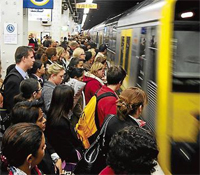
Transport minister Norman Baker has called on employers to allow staff to work one day a fortnight from home as part of the government’s push to cut transport congestion.

Incentives could be introduced to encourage flexible working, and train companies will encouraged to overhaul how season tickets are sold, so people who only spend part of the week at an office are not penalised, the Telegraph has reported.

Norman Baker, the Liberal Democrats’ transport minister, believes traditional travel patterns have to change if the coalition is to create the low-carbon economy it promised, and has instructed officials to work out how his ideas can be brought into practice.

HRreview Logo

Get our essential weekday HR news and updates.

This field is for validation purposes and should be left unchanged.
Keep up with the latest in HR...
This field is hidden when viewing the form
Optin_date
This field is hidden when viewing the form


“Part of my brief as a transport minister is to sometimes encourage you not to travel. I want to be the first virtual transport minister,” he told the Telegraph.

“This isn’t just pie in the sky; it could really work with just a little bit of flexibility.

Baker’s initiative could ease pressure on the UK’s overstretched transport network, which is bracing itself for sweeping spending cuts in the autumn, according to the Telegraph.

“The kind of initiatives I’m working on will do away with the rush hour. Reducing demand will reduce congestion, pollution and stress in our daily lives. Working just one day in 10 from home would have a huge impact,” Baker said.

“For example, homeworking could do wonders for that work-life balance we all strive for. So you drop the children off at school, work in the office 9.30 until 2pm, go and pick them up, then work a couple more hours from home.




Latest news

Martin Johnson: Why the Employment Rights Act marks the end of informal management

It’s crucial that organisations quickly realise the Employment Rights Act isn’t solely a legal change. In effect, it marks the end of informal management.

Unpaid wage claims ‘hit eight-year high’ as business failures rise

Rising insolvencies are leaving growing numbers of workers unpaid as HR teams face mounting legal risks around rushed redundancies and delayed wages.

Employers urged to rethink race for chief AI officers

Companies are being warned against rushing to appoint chief AI officers before establishing the systems and leadership structures needed to support them.

Building workforce skills for AI performance

AI is changing the way work gets done—but most organisations still lack a clear plan for building AI-ready teams.
- Advertisement -

UK risks ‘lost generation’ as youth unemployment crisis deepens

A major review warns that Britain could face a “lost generation” as youth unemployment and economic inactivity continue rising.

‘Delighted to be wrong about jobs apocalypse’, says OpenAI boss Altman

The OpenAI chief executive said human interaction remained far harder to replace than many technology leaders first predicted.

Must read

Rachel Arkle: Detox your team

So it's that time of year; the time to set 'life changing' resolutions that we hope will build healthier and happier lives for 2016.

Jonathan Wiles: Boardroom blues – why executive satisfaction is shifting globally

The latest global survey from Page Executive reveals a striking truth: executives are feeling increasingly dissatisfied with their roles.
- Advertisement -

You might also likeRELATED
Recommended to you