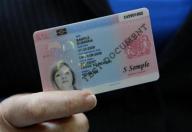
ID cards launched in Manchester

-

Manchester will become the first city in the UK to give access to ID cards this autumn.

The home office has announced that anyone aged 16+ will be able to apply for the ID card, and maintained that the £5bn scheme could offer real benefits and help fight against crime and terrorism.

The Manchester launch will be the first phase of the ID scheme, which should be available nationwide by 2012.

Home Secretary Jacqui Smith said that the Home Office is determined to push ahead with the scheme, claiming it will reduce fraud, thus saving money.

HRreview Logo

Get our essential weekday HR news and updates.

This field is for validation purposes and should be left unchanged.
Keep up with the latest in HR...
This field is hidden when viewing the form
Optin_date
This field is hidden when viewing the form


“ID cards will deliver real benefits to everyone, including increased protection against criminals, illegal immigrants and terrorists,” she said.

The Conservatives claimed they would scrap the ID card scheme if they were to win the next election.

Shadow home secretary Chris Grayling said the Conservatives would not “assuming vast savings”, as the scheme has already begun, and money has already been spent.

The scheme has also raised concerns over personal data, even if the government claims the data accumulated would not be larger that of passports.

“I think it is important to recognise that we’re not collecting some massive accumulation of information about citizens,” said James Hall, chief executive of the Identity and Passport Service.

Paul Gray is an entrepreneur and digital publisher who creates online publications focused on solving problems, delivering news, and providing platforms for informed comment and debate. He is associated with HRZone and has built businesses in the HR and professional publishing sector. His work emphasizes creating industry-specific content platforms.

Latest news

Sidonie Viala: Pay transparency won’t close inequality if negotiation still drives pay

The EU's Pay Transparency Directive is on track to arrive with a simple promise: visibility will bring fairness. But transparency only exposes outcomes.

Calls grow for working from home as fuel shortages loom amid Iran conflict

Remote work is being urged as fuel shortages linked to Middle East conflict threaten commuting, business operations and workforce stability.

Worker denied leave for 25 years wins £400,000 in holiday pay case

A tribunal awards nearly £400,000 to a worker denied annual leave for decades, raising concerns about holiday policies and employer compliance.

Sustainable business starts with people, not HR policies

Why long-term success depends on supporting employees, not just meeting ESG targets, with practical steps for leaders to build healthier organisations.
- Advertisement -

Hiring steadies but Gulf crisis threatens recovery in UK jobs market

UK hiring shows signs of stabilising, but rising global uncertainty linked to the Gulf crisis is weighing on employer confidence and delaying recovery.

Women ‘face career setback’ risk with flexible working

Female staff using remote or reduced-hour arrangements more likely to move into lower-status roles, raising concerns about bias in career progression.

Must read

Kevin Green: Eight key market trends for recruitment

Kevin Green Chief Executive at REC (Recruitment and Employment Confederation) At...

Grace Mole: Vaccinations: Keeping your employees safe – and onside

"While no-nonsense work policies on the lines of 'no jab, no' job' approach may be tempting for some bosses, the issue is far from straightforward."
- Advertisement -

You might also likeRELATED
Recommended to you