

 Now that the Paralympics is over, we can all get back to normality following a summer of incredible sport, unparalleled talent and televised tests of human endurance.
But perhaps the last couple of weeks of watching athletes with disabilities triumph in their categories will ensure the Paralympics leaves as part of its legacy more awareness of the place of disabled people in society – which may well inspire employers who want to focus on equality, diversity and inclusion in the workplace.
As legal expert Julian Yew of Penningtons Solicitors LLP points out, businesses may start looking over their policies and working practices to ensure they do not inadvertently discriminate against wheelchair-using staff and customers.
He told Caterersearch.com that the Equality Act 2010 could be used against firms if managers do not make an effort to provide the service they offer to individuals with disabilities.

“Under section 29 of the Equality Act 2010, a person concerned with the provision of a service to the public must not discriminate against a person requiring the service by not providing the person with the service,” Yew noted.
“One of the ‘prohibited characteristics’ under the law is ‘disability’. Under section 20, there is also a duty on service providers to make ‘reasonable adjustments’ in relation to any service user who is disabled.”
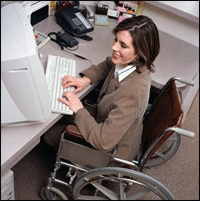
This means offering assistance to employees or service-users who have a visual impairment, hearing problem or who require a wheelchair or alternative mobility device. This could mean, for example, ensuring all well-used office areas are wheelchair-accessible.
“Your legal duty is anticipatory, meaning you cannot wait until a disabled person wants to use your services, but must consider in advance and on an ongoing basis about what disabled people with a range of impairments might reasonably need at your establishment,” the legal expert added.





