Will legacy of Paralympics be a raised awareness of people with disabilities?

-

Now that the Paralympics is over, we can all get back to normality following a summer of incredible sport, unparalleled talent and televised tests of human endurance.

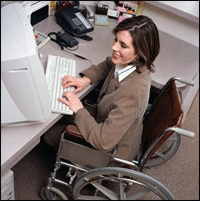
But perhaps the last couple of weeks of watching athletes with disabilities triumph in their categories will ensure the Paralympics leaves as part of its legacy more awareness of the place of disabled people in society – which may well inspire employers who want to focus on equality, diversity and inclusion in the workplace.

As legal expert Julian Yew of Penningtons Solicitors LLP points out, businesses may start looking over their policies and working practices to ensure they do not inadvertently discriminate against wheelchair-using staff and customers.

He told Caterersearch.com that the Equality Act 2010 could be used against firms if managers do not make an effort to provide the service they offer to individuals with disabilities.

Get our essential weekday HR news and updates.

This field is for validation purposes and should be left unchanged.
Keep up with the latest in HR...
This field is hidden when viewing the form
Optin_date
This field is hidden when viewing the form


“Under section 29 of the Equality Act 2010, a person concerned with the provision of a service to the public must not discriminate against a person requiring the service by not providing the person with the service,” Yew noted.

“One of the ‘prohibited characteristics’ under the law is ‘disability’. Under section 20, there is also a duty on service providers to make ‘reasonable adjustments’ in relation to any service user who is disabled.”

This means offering assistance to employees or service-users who have a visual impairment, hearing problem or who require a wheelchair or alternative mobility device. This could mean, for example, ensuring all well-used office areas are wheelchair-accessible.

“Your legal duty is anticipatory, meaning you cannot wait until a disabled person wants to use your services, but must consider in advance and on an ongoing basis about what disabled people with a range of impairments might reasonably need at your establishment,” the legal expert added.

Latest news

Transgender staff excluded from single-sex toilets under new equality guidance

Transgender people must be excluded from single-sex toilets and changing rooms that correspond with their lived gender under updated...

Simon Coker: Closing the emotional gap – why AI in the workplace is as much a human challenge as a technological one

AI adoption is transforming how work gets done across every sector. But its deeper impact is less visible: it is reshaping how people feel about their work.

Employment tribunal delays stretch towards 2030 as lawyers warn system is nearing collapse

Employment tribunal hearings are being delayed for years as lawyers warn mounting backlogs are undermining workplace justice.

Keeping culture and purpose at the centre of a growing fintech

A fintech people leader explains how culture, wellbeing and purpose are being protected during rapid business growth.
- Advertisement -

Migrant worker with no right to work in UK wins discrimination case against employer

An employment tribunal has ruled that a migrant worker without the legal right to work in Britain can still pursue successful discrimination claims.

Government to replace some GP sick notes with return-to-work plans

Workers in four English regions will be directed towards personalised health and employment support as ministers test alternatives to GP-issued fit notes.

Must read

Richard Justenhoven: The four main challenges to overcome when using AI in assessment

"AI helps make recruitment processes easier by providing useful information."

Sally Bibb: Technology as a window on hidden talent

Sally Bibb explores how to benefit from the technology we used throughout the pandemic in the current workplace
- Advertisement -

You might also likeRELATED
Recommended to you
