

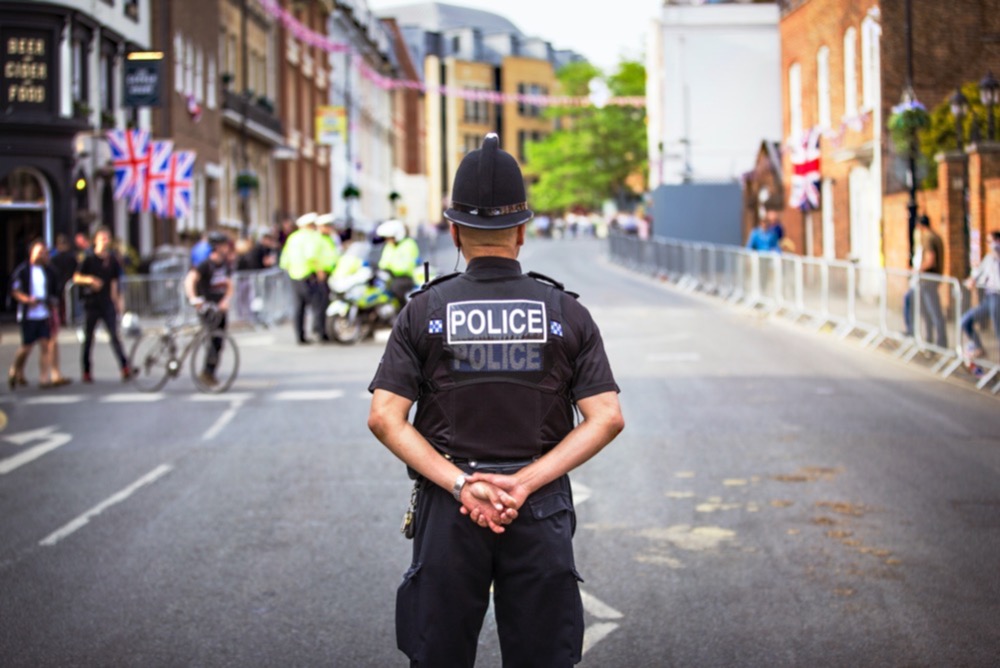
Later this month, Police Scotland will ban all frontline officers from having a moustache or beard.
Although exemptions will be granted for those who have religious or medical grounds for refusal, the “no-beard” policy has received backlash and instigated questions as to whether the new rules will be discriminatory.
The new policy, to be implemented on the 29th May, will force hundreds of staff to shave off their facial hair.
Kate Palmer, HR Advice & Consultancy Director at Peninsula, weighs in on the matter:
“Whilst businesses are able to implement a dress code to suit their needs and responsibilities, forcing an employee to look a certain way or wear certain items of clothing can, in some cases, amount to indirect discrimination. This will apply if such a policy places a group of the workforce at a disadvantage because of a specific protected characteristic they hold, such as religion or disability. Where this happens, employers will be able to continue using the policy if they have a robust “legitimate aim” and show that the dress code is a proportionate means of achieving it.

“Police Scotland’s no-beard requirement appears to be based predominantly on health and safety needs, and this is what an employment tribunal would consider when looking at whether the police have a legitimate aim. It’s important that Police Scotland has allowed reasonable exemptions to the rule, such as if staff can’t be clean-shaven due to religious, cultural, medical or disability reasons.
“Conducting an impact assessment can be a good way to identify whether groups of employees who hold a particular protected characteristic will be negatively impacted by the rule, so adjustments and accommodations can be made. Employers who wish to adopt a similar approach should remember this important step and provide similar exemptions.”

Amelia Brand is the Editor for HRreview, and host of the HR in Review podcast series. With a Master’s degree in Legal and Political Theory, her particular interests within HR include employment law, DE&I, and wellbeing within the workplace. Prior to working with HRreview, Amelia was Sub-Editor of a magazine, and Editor of the Environmental Justice Project at University College London, writing and overseeing articles into UCL’s weekly newsletter. Her previous academic work has focused on philosophy, politics and law, with a special focus on how artificial intelligence will feature in the future.
- Amelia Brand

- Amelia Brand

- Amelia Brand

- Amelia Brand






