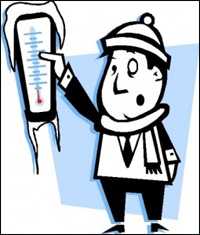
The recent cold weather and snowfall across the UK is a sharp reminder to businesses of the dangers and complications associated with extreme weather conditions.
The BBC recently reported that the arrival of snow and ice results in an eight per cent rise in accidents, as the number of slips, trips and car accidents rise across the UK. The study of 60,000 patients found that a five degree celsius drop in temperature during the day meant a three percent rise in serious accidents to adults. As we spend a third of our waking lives at work, potentially many of these accidents will happen in the workplace.
With one in three (34 per cent) of safety representatives citing high or low temperatures as one of their top concerns in the workplace, it’s clear that extreme temperatures continue to be a worry for businesses*. After all, it’s the responsibility of the business to adapt as necessary and reduce the risk of accidents among employees during severe weather conditions – whether that’s facing discomfort at work from poor heating or extreme working conditions, or feeling under pressure to travel during treacherous conditions.

Employers need to take note of the change in weather conditions and provide employees with the support they need to stay safe at work. For example, you can take simple steps to ensure that staff are comfortable and safe, such as providing special footwear and protective clothing for workers who have to withstand cold weather for long periods, or introducing flexible working patterns and job rotation to limit exposure to extreme weather conditions. Even allowing sufficient breaks to enable employees to warm up in heated areas or drink hot drinks can make a difference. Let’s not forget the effect on office conditions as well, with employees needing adequate workplace heating and the flexibility to work from home if work travel becomes too treacherous.
But what if accidents do happen? Well, the first thing to do before an accident happens, is to make sure that your first aid kit is stocked up. This way you can be ready to deal with any situation that might arise. I’d also recommend that employees have an understanding of how to treat the effects of extreme cold such as frostbite or hypothermia and injuries from slips and trips.
However, despite these preventative measures, it’s during these difficult conditions that businesses need to be more diligent than ever in assessing the risks. With plummeting temperatures leading to a rise in accidents, workplaces need to be increasingly aware of the importance of risk assessments –assessing the risks of cold weather and providing suitable and safe alternatives for employees. Risk assessment courses for businesses needn’t cost the earth, but can protect millions of employees while they’re in the workplace, and in extreme cases, make the difference between life and death.

Richard Evens, Commercial Training Director, St John Ambulance
Richard is Commercial Marketing Director at St John Ambulance, the nation's leading first aid organisation and market leader in workplace first aid training. Responsible for training programmes and educational standards, Richard has been involved in consultation with the HSE since the early development of new guidance for the content and structure of workplace first aid training. He has liaised widely with the HSE and other stakeholders to apply the collective expertise in first aid to the new guidance, becoming a board member of the First Aid at Work Council which was created during this process.
Before joining the charity sector 10 years ago in a retail development role for Oxfam, Richard worked in marketing and logistical roles with Shell and Total Oil. He lives in north west London spending time with his family, trying to keep up with two energetic young children.
- Richard Evens

- Richard Evens

- Richard Evens

- Richard Evens