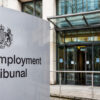
A former HM Revenue and Customs (HMRC) employee who refused to return to the office following the Covid pandemic has been ordered to pay £20,000 after an employment tribunal found he acted unreasonably in bringing a discrimination claim.
Martin Bentley, who worked at HMRC for more than a decade, claimed that his anxiety, depression and stage 3 kidney disease made it unsafe for him to attend the office. But the tribunal found there was no medical reason preventing his return and ruled that his claim had no chance of success.
Employment Judge Dawn Shotter said Mr Bentley had behaved “vexatiously and abusively” by exaggerating his health difficulties and deliberately avoiding in-person work for more than four years. The panel heard that he had not seen his manager face to face from 2020 until the final hearing in 2024, shortly before his retirement.
‘No clinical barrier to office work’
The judgment described how Mr Bentley, who joined HMRC in 2012 as an assistant officer, had previously struggled with phone-based tasks. A 2019 occupational health assessment found that call handling made him unwell. However, by 2021, a new report concluded that he was fit to work, stating there was “no clinical barrier to working on the telephone” and no medical justification for continuing to work remotely.

Despite this, Mr Bentley refused to return to the office when instructed in early 2022, after HMRC ended pandemic-era homeworking arrangements. He did not attend the office again before retiring in September 2024.
The tribunal noted that HMRC had made multiple adjustments for Mr Bentley, including periods of remote work and performance management support, despite his underperformance. However, his ongoing refusal to attend the workplace or engage with line managers in person led to formal concerns being raised.
Claim found to be without merit
Mr Bentley alleged disability discrimination and victimisation when placed on a personal improvement plan, but the tribunal dismissed the claims in full.
“He was prepared to use whatever means he could to achieve this end in order that he never worked in the office and never saw his managers physically face to face,” the judgment said.
Judge Shotter concluded that Bentley’s behaviour throughout the case amounted to an abuse of process and that he had knowingly brought a claim without foundation. She ordered him to pay £20,000 to HMRC for the way he conducted the proceedings.
Return-to-office expectations under scrutiny
The ruling comes amid continuing disputes between workers and employers over hybrid and office-based arrangements, with legal experts warning that health-related claims must be supported by medical evidence.
In this case, the tribunal found that Mr Bentley’s objections were personal rather than clinical, and that HMRC had acted reasonably in seeking his return.
While many employers have adopted flexible working policies, particularly in response to retention and wellbeing concerns, the case highlights the limits of accommodation when medical justification is absent.

William Furney is a Managing Editor at Black and White Trading Ltd based in Kingston upon Hull, UK. He is a prolific author and contributor at Workplace Wellbeing Professional, with over 127 published posts covering HR, employee engagement, and workplace wellbeing topics. His writing focuses on contemporary employment issues including pension schemes, employee health, financial struggles affecting workers, and broader workplace trends.
- William Furney

- William Furney
- William Furney
- William Furney