
More women opt in for apprencticeships

-

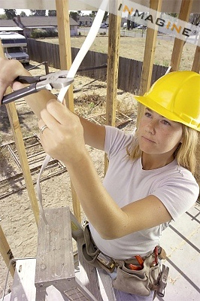
Colleges are reporting a sudden upsurge in the amount of female students signing up to learn a skilled trade within the construction industry.

Far more women are now choosing to train as an electrician, decorator’, mechanic or builder, rejecting the more traditionally “female” roles of hairdresser, childminder, or beautician.

With recent news of tuition fee hikes and reports of the difficulties graduates are facing in the current job market, students may feel learning a skilled trade will benefit them in the long run and allow for better career opportunities.

However, some academics have expressed concerns over the availability of jobs for women in such a predominantly male environment.

HRreview Logo

Get our essential weekday HR news and updates.

This field is for validation purposes and should be left unchanged.
Keep up with the latest in HR...
This field is hidden when viewing the form
Optin_date
This field is hidden when viewing the form


Linda Clarke, professor of European industrial relations at Westminster University said,”If you go into colleges, there’s a far higher proportion of women training than you’ll find actually working in the labor market,” she says. “And I don’t see that’s changing very much.”

However at Newcastle College, Colin Stott, director of the National Construction Academy, says that in his experience, companies are more interested in someone’s competencies than their gender.

Andy Dawson, assistant director of manufacturing and technology at Preston College confirms this, he said “Particularly in motor vehicle, females are as good if not better. And their work ethic is often very good. They seem to be more rational about doing the tasks and, particularly in the 16-18 age range, a bit more mature. They’re more methodical and are very keen.”


Latest news

Personalising the Benefits Experience: Why Employees Need More Than Just Information

This article explores how organisations can move beyond passive, one-size-fits-all communication to deliver relevant, timely, and simplified benefits experiences that reflect employee needs and life stages.

Grant Wyatt: When the love dies – when staying is riskier than quitting

When people fall out of love with their employer, or feel their employer has fallen out of love with them, what follows is rarely a clean exit.

£30bn pension savings window opens for employers ahead of 2029 reforms

UK employers could unlock billions in National Insurance savings by expanding pension salary sacrifice schemes before new limits take effect in 2029.

Expat jobs ‘fail early as costs hit $79,000 per worker’

International assignments are ending early due to family strain, isolation and poor preparation, as rising costs increase pressure on employers.
- Advertisement -

The Great Employer Divide: What the evidence shows about employers that back parents and carers — and those that don’t

Understand the growing divide between organisations that effectively support working parents and carers — and those that don’t. This session shows how to turn employee experience data into a clear business case, linking care-related pressures to performance, retention and workforce stability.

Scott Mills exit puts spotlight on risk of ‘news vacuum’ in high-profile dismissals

Sudden departure of a long-serving BBC presenter raises questions about how employers manage high-profile dismissals and limit speculation.

Must read

Caroline Walmsley: Supporting your expat workers

For HR departments managing employees internationally, it’s vital they understand the nuances of what employees working abroad may be facing.

Dean Ball: How to win the war for talent with weird interview questions

The average HR professional conducts numerous interviews each year,...
- Advertisement -

You might also likeRELATED
Recommended to you



