

The Prime Minister has announced that the final stage of the Government’s roadmap is to be delayed by four weeks until the 19th July.
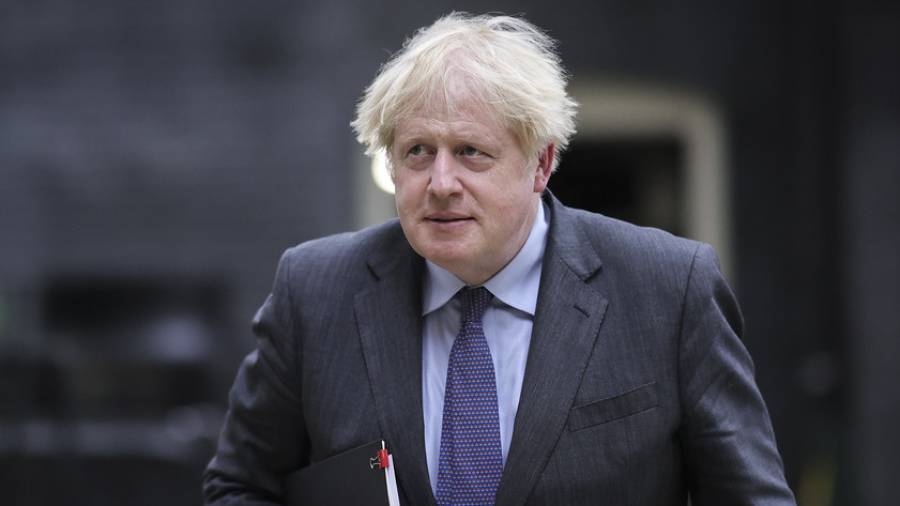
At a Downing Street press conference, Prime Minister Boris Johnson declared the Government’s decision to delay lifting all COVID-19 restrictions by a month.
This step has been taken after a significant rise in COVID-19 cases, specifically the Delta variant, which has been said to make up 91 per cent of new coronavirus cases in the UK. This strain is also 40-60 per cent more transmissible than the ‘Kent’ or Alpha variant.
Mr. Johnson expressed his view that it is “sensible to wait just a little longer”:

We can simply keep going with all of Step 4 on 21 June, even though there is a real possibility that the virus will outrun the vaccines and that thousands more deaths would ensue which could otherwise have been avoided.
Or else we can give the NHS a few more crucial weeks to get those remaining jabs into the arms of those who need them.
This delay is hoped to ensure that two-thirds of the adult population in the UK will receive two doses of the COVID-19 vaccine by the 19th July.
However, this has stark implications for businesses, especially in the hospitality sector, which had planned to open at full capacity on the 21st June.
Kate Nicholls, Chief Executive of UK Hospitality, expressed how this one month delay could cost the sector £3 billion in sales:
Even now, with partial reopening, sector sales remain down 42 per cent and 300,000 jobs remain protected by furlough.
A one-month delay to restrictions lifting would cost the sector around £3bn in sales – but would also have a knock-on impact on bookings throughout the summer and into the autumn.
As such, many have called for more targeted support to help specific sectors such as leisure and hospitality.
Neil Carberry, Chief Executive of the Recruitment & Employment Confederation said:
It is essential that government also extends targeted support measures that have been in place alongside the restrictions.
Our data shows recruiters reporting massive labour shortages across the economy right now, and any delays to hiring could have serious consequences.
Employers need digital Right to Work checks to remain to help them place staff quickly now there is a delay to fully lifting COVID restrictions – in line with public health guidance. We’d urge government to use the time to consult on making digital checks a permanent feature of the labour market. Our experience is that they have raised levels of compliance and given UK nationals greater opportunities to get into work quickly.
The British Chambers of Commerce also called for the Government to provide further cash grants to support businesses and to “delay the tapering of government payments into the furlough scheme, planned for the start of July”.
At present, the conditions for office workers remain unchanged with the Government keeping the work from home order instated.
However, the Government have also expressed that it could make no guarantee that the new deadline of the 19th July would not be pushed back further, having wider implications for businesses if this is the case.

Monica Sharma is an English Literature graduate from the University of Warwick. As Editor for HRreview, her particular interests in HR include issues concerning diversity, employment law and wellbeing in the workplace. Alongside this, she has written for student publications in both England and Canada. Monica has also presented her academic work concerning the relationship between legal systems, sexual harassment and racism at a university conference at the University of Western Ontario, Canada.
- Monica Sharma

- Monica Sharma
- Monica Sharma
- Monica Sharma








