Employers across the UK are facing new cost pressures following the Autumn Budget, with critics warning that the Chancellor has failed to outline a clear plan for jobs growth, skills investment or economic productivity.
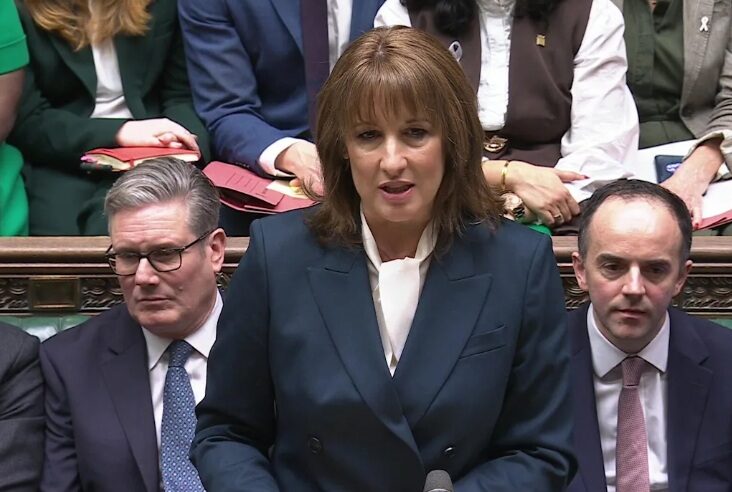
The budget, delivered by Rachel Reeves on Wednesday, confirmed a £30 billion package of tax rises, bringing the total tax increase under Labour to £66 billion. The Office for Budget Responsibility (OBR) forecast that the overall tax burden will rise to 38 percent of national income by the end of the decade, the highest level in UK history.
Measures include a three-year freeze on income tax thresholds, which will push millions of workers into higher tax brackets. It is estimated that one in four taxpayers – more than 10 million people – will become higher or additional rate taxpayers by 2030. The OBR also said that none of the new measures would have a material impact on economic growth, and that real-terms earnings are likely to remain lower than they were before the 2008 financial crisis.
Salary sacrifice changes will raise employer costs
One of the most significant workplace changes is the introduction of a cap on salary sacrifice pension contributions. From April 2029, only the first £2,000 of contributions will remain exempt from National Insurance. This change affects both employees and employers, who currently benefit from tax savings on contributions made through these schemes.

Phil Curtis, managing director of Avantus Employee Benefits, which is part of HR solutions firm the Ciphr Group, told HRreview that the change would reduce incentives for pension saving and increase employer costs. He warned that although organisations have time to prepare, many will be hit hard once the new rules come into force.
“While employers have a bit of breathing room, until April 2029, the changes to salary-sacrifice pension schemes – where contributions above an annual £2,000 threshold will no longer be exempt from national insurance contributions – will prove to be significant,” he said.
Curtis said the “political message is that this tax-take will be geared towards higher earners. They’re not the only people using salary sacrifice pensions schemes though. They have become popular in both lower and higher paid environments.
He said the “resulting savings made by employers are often redistributed across the workforce generally, helping to offset other payroll costs — remember the NI hike for employers in the last budget — or used to pay for other employee benefits.
“Capping salary sacrifice will create a much less favourable environment, or incentive, for pension savings for employees. It is employers, however, who will shoulder the biggest cost increases and this will need to be factored in as 2029 approaches.”
No clear workforce strategy, warns CIPD
Peter Cheese, chief executive of the Chartered Institute of Personnel and Development, said the government had raised employment costs but failed to provide a plan to help employers improve productivity, invest in technology or develop workforce skills.
“The Chancellor has further raised employment costs for business but not done enough to articulate how to encourage growth and investment and boost productivity across the economy,” he said. “Measures to boost growth and support businesses have never been more important, in light of strong headwinds to recruitment and investment in workforces.”
He said that “[e]mployment costs have increased across the board in the past year but there is still no coherent plan from the Government on how it will work with employers to improve productivity across the economy, to help businesses invest in skills and support technology adoption.
“The Chancellor’s support for the UK industrial strategy’s key high growth and green energy sectors is welcome. But there was little to suggest the Government has a plan to support employers in improving skills development, opportunities and productivity for the 75% of the workforce that isn’t in these chosen industries. Unless this is addressed, it’s hard to see how there will be sustained improvement to economic growth or living standards.”
Cheese added that the government would “also need to continue to consult, and even compromise on some elements of the Employment Rights Bill, to ensure they don’t put employers off hiring, particularly young people and other groups perceived as presenting higher recruitment risks”.
Concern over youth employment impact
The budget included an 8.5 percent rise in the national minimum wage for younger workers, which is intended to improve take-home pay and reduce in-work poverty. But some observers warn that it may have unintended consequences for job access.
Katharine Moxham, a spokesperson for risk industry body GRiD, said the budget missed a key opportunity to address economic inactivity and improve workplace wellbeing. She criticised the changes to salary sacrifice and existing tax rules affecting group income protection, saying the measures will increase employer costs while undermining the benefits designed to help employees remain in work.
“The Autumn Budget misses a vital opportunity to tackle economic inactivity and improve workforce health and wellbeing, which was in line with their own Keep Britain Working Review,” she said. “And changes to salary sacrifice for pension contributions will further drive up employer costs, make saving harder for employees, and add unnecessary complexity.
“Combined with existing double taxation on group income protection arrangements, these measures risk undermining benefits that help employees prosper.”
Balancing short-term revenue with long-term priorities
While the Chancellor said the changes were necessary to make the tax system fairer and increase public investment, business groups remain concerned that the budget prioritises revenue generation over long-term growth.
Despite measures such as an energy bill rebate, fuel duty freeze and increased state pension payments, the wider impact on labour market costs and investment incentives has prompted calls for urgent consultation.
Observers say organisations now face a period of adjustment, with many expected to reassess their salary structures, benefits packages and long-term workforce planning in light of the changes. While some measures are deferred until 2029, others such as tax threshold freezes and National Insurance reforms take effect much sooner.
HR and reward professionals will, experts say, be under pressure to balance increased employment costs with retention, wellbeing and compliance. With uncertainty around growth and continued pressure on household incomes, how employers respond to this budget will shape workforce stability well beyond the next fiscal year.

William Furney is a Managing Editor at Black and White Trading Ltd based in Kingston upon Hull, UK. He is a prolific author and contributor at Workplace Wellbeing Professional, with over 127 published posts covering HR, employee engagement, and workplace wellbeing topics. His writing focuses on contemporary employment issues including pension schemes, employee health, financial struggles affecting workers, and broader workplace trends.
- William Furney

- William Furney
- William Furney
- William Furney