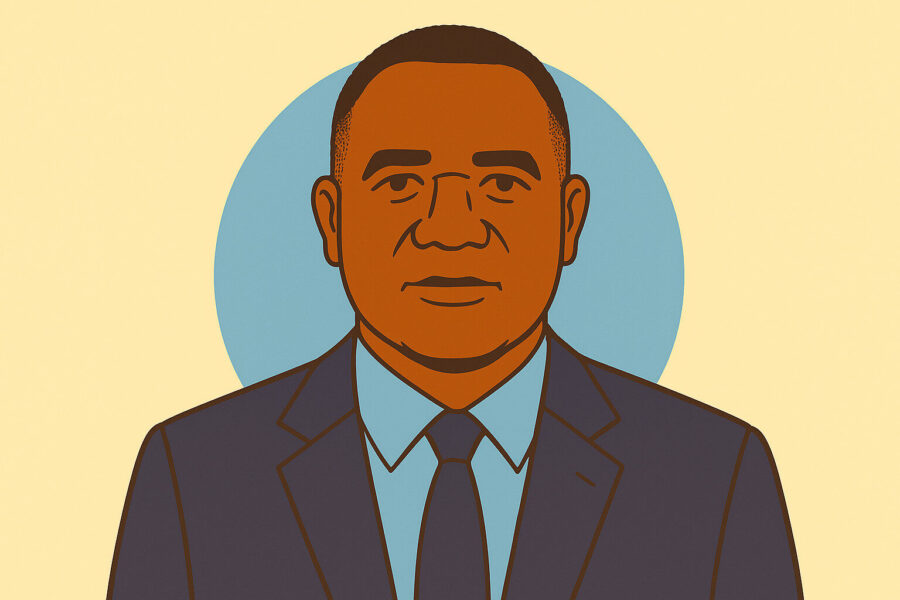
David Lammy on Employment Tribunals

-

β€œIt will remain free to bring a case to an employment tribunal.”

Context

Justice Secretary and Deputy Prime Minister David Lammy has confirmed that the government will not reintroduce employment tribunal fees, following months of speculation about possible reforms to the tribunal system. Speaking after an internal review reported concerns over access to justice, Lammy said: β€œIt will remain free to bring a case to an employment tribunal.”

The issue of tribunal fees has been politically sensitive since the Supreme Court ruled in 2017 that the previous fee system was unlawful because it restricted access to justice, particularly for lower-paid workers.

Meaning

Lammy’s assurance signals a continued commitment to maintaining open access to legal recourse for employees. The decision removes the risk that cost barriers might deter workers from pursuing legitimate claims relating to unfair dismissal, discrimination or unpaid wages.

It also provides clarity for HR departments, which had been awaiting confirmation amid policy discussions about reducing case backlogs and improving tribunal efficiency.

HRreview Logo

Get our essential weekday HR news and updates.

This field is for validation purposes and should be left unchanged.
Keep up with the latest in HR...
This field is hidden when viewing the form
Optin_date
This field is hidden when viewing the form

Β 

Implications

The policy will reassure trade unions and employment law advocates who argued that fees would unfairly disadvantage vulnerable workers. But it places continued pressure on the government to address delays in the tribunal system through funding and staffing rather than deterrent measures.

For employers, the announcement means the likelihood of rising case volumes remains, particularly as awareness of strengthened rights under the Employment Rights Bill grows. HR professionals may need to prepare for a more litigious climate by strengthening internal grievance procedures and ensuring managers are trained in fair and lawful decision-making.

William Furney is a Managing Editor at Black and White Trading Ltd based in Kingston upon Hull, UK. He is a prolific author and contributor at Workplace Wellbeing Professional, with over 127 published posts covering HR, employee engagement, and workplace wellbeing topics. His writing focuses on contemporary employment issues including pension schemes, employee health, financial struggles affecting workers, and broader workplace trends.

Latest news

Helen Wada: Why engagement initiatives fail without human-centric leadership

Workforce engagement has become a hot topic across the boardroom and beyond, particularly as hybrid working practices have become the norm.

Recruiters warned to move beyond β€˜post and pray’ as passive talent overlooked

Employers risk missing most candidates by relying on job boards as hiring methods struggle to deliver quality applicants.

Employment tribunal roundup: Appeal fairness, dismissal reasoning, discrimination tests and religious belief clarified

Decisions examine appeal failures, dismissal reasoning, discrimination claims and religious belief, offering practical guidance on fairness, causation and proportionality.

Fears of AI cheating in hiring β€˜overblown’ as employers urged to rethink assessments

Employers may be overstating concerns about AI misuse in recruitment as evidence of candidate manipulation remains limited.
- Advertisement -

More employees use workplace health benefits, but barriers still limit access

Many workers struggle to access employer healthcare support due to confusion, costs and unclear processes.

Gender pay gap in tech widens to nine-year high as AI roles drive salaries

Women in IT earn less as salaries rise faster in male-dominated AI and cybersecurity roles, widening pay differences.

Must read

Case Study: Mediation in TfL – Resolving Disputes

In this article, Julia Mixter, Senior HR Business Partner in Transport for London, looks at the case for mediation, the process of introducing it in TfL and anticipates the issues that may arise. Including a list of Issues and Mitigation, and how they are dealt with in the TfL.

Dee Coakley: The shift to default global requires a new β€˜operating system’ for HR

"Default global has the potential to transform the way millions – potentially billions – of people live and work.Β However, implementing it is much more straightforward in theory than in practice."
- Advertisement -

You might also likeRELATED
Recommended to you