

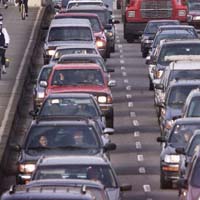
Despite the introduction of flexible working hours commuters are still travelling long distances to get to work. The average commute is around 25 minutes however one in ten commuters travel more than an hour to work according to research from Regus.
Cars have been found to be the most popular form of commuter transport (64%) while the public transport system is the best option for another 19%. Only 9% of workers are close enough to their place of work to be able to cycle or walk.
In the USA car use is much more wide-spread (85%) shortly followed by South Africa (83%) High density and excellent transport infrastructure make Japan the country least reliant on driving to get to work (23%). Cycling in to work was as unpopular as car pooling (2%) on a global level with only the Netherlands significantly bucking this trend (8%).
Mark Dixon, CEO, Regus, said: “As traffic congestion in cities increases it is disappointing to see that too many workers are still jamming the roads in the rush hour when they could be spending their time more enjoyably or more productively elsewhere.

“To tackle the damaging effects of commuting on staff health and morale, savvy businesses are introducing more flexibility in their working practices and are seeking workplace solutions that allow their staff to work closer to home. Remote working and flexi-time can provide a much needed break in the weekly commuting routine and also translate into office space and maintenance savings.”
Further pain commuters are forced to face is in the cost of travel. While on average 7% of commuters globally spend 10% or more of their salary on commuting, this peaked in car-reliant Mexico where 13% of respondents spend more than 10% of their salary to fund their commute.





