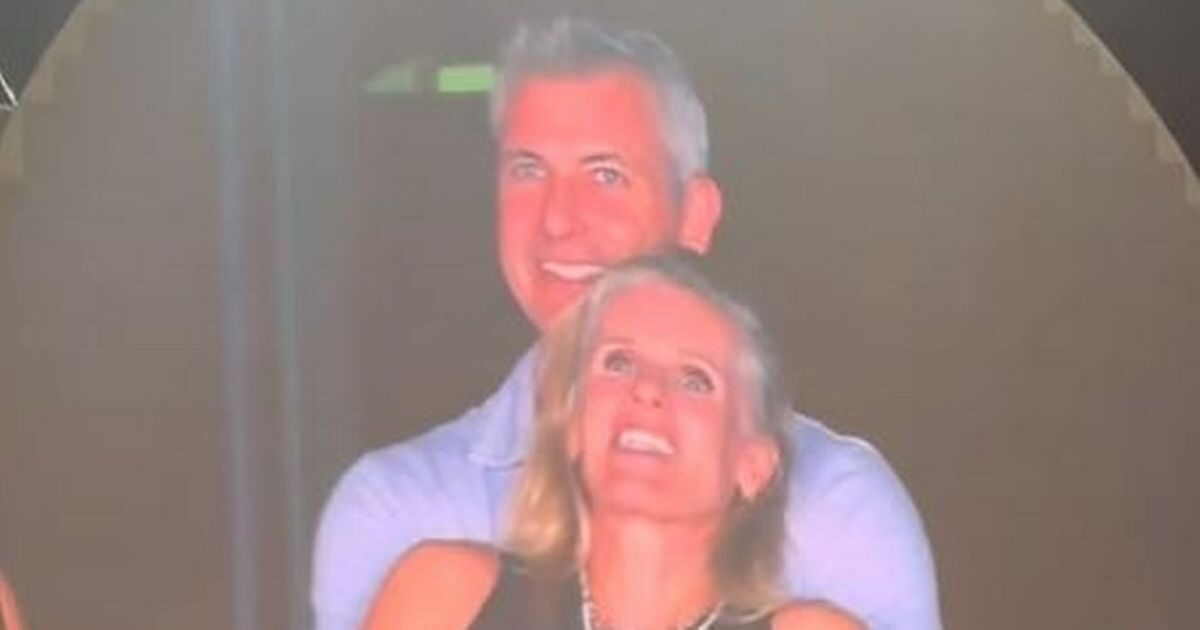
A viral video that ended a human resources executive’s career has reignited debate about how employers and jobseekers navigate personal conduct, public exposure and reputational risk in an age of pervasive social media. The episode has significant implications for HR leaders, especially around crisis management, social media policies and the unequal scrutiny faced by women in the workplace.
The case centres on Kristin Cabot, a former chief people officer at US technology firm Astronomer, whose spontaneous embrace with boss Andy Byron at a Coldplay concert in July went viral on TikTok and was viewed tens of millions of times. In her first interview since the incident, she described the relentless online abuse, doxxing and threats that ensued and how the “kisscam” fallout forced her to step away from her role despite having reported the episode to her employer.
The spectacle of a personal moment being circulated worldwide — often with cruel and misogynistic commentary — has prompted HR professionals to rethink how they prepare organisations for incidents that occur outside of work but quickly become workplace issues. With leaders at risk of becoming global headlines overnight, experts say there is an urgent need for clearer guidance and support structures that protect individuals from disproportionate consequences.
Public shaming and the human cost
Speaking to The New York Times, Cabot said the threats and harassment after the video went viral left her and her family deeply anxious. “Because my kids were afraid that I was going to die and they were going to die,” she said, describing how some messages included details that made her fear for their safety.

She recounted how, even in ordinary situations such as picking up her son or visiting the town pool, strangers recognised her and passed judgment, sometimes taking photos. The public shaming, she explained, was deeply damaging to her confidence and her family’s sense of security.
Cabot accepted that her behaviour at the concert was inappropriate but said the consequences far outweighed her mistake.
“I made a bad decision and had a couple of High Noons and danced and acted inappropriately with my boss. And it’s not nothing. And I took accountability and I gave up my career for that. That’s the price I chose to pay,” she said.
“I want my kids to know that you can make mistakes, and you can really screw up. But you don’t have to be threatened to be killed for them.”
Gender, reputation and careers
The intense scrutiny that followed the video’s spread illuminated a broader pattern in which women, particularly those in leadership roles, are judged more harshly for personal conduct than male counterparts. An associate professor drew parallels for the Times between the viral phenomenon and traditional celebrity gossip, noting that scandals often focus disproportionately on women’s behaviour and that in this case, “It fell on [Cabot].”
Experts say it shows the need for policies that recognise the difference between genuinely harmful conduct and personal mistakes that become public due to the virality of social platforms. It also highlights the gendered nature of online criticism, they say, which often intersects with entrenched stereotypes about professional women.
Cabot’s experience also reveals how quickly a private moment can eclipse professional credentials. Prior to the concert, she had built a long career and was regarded as a competent HR leader. Her decision to speak publicly was informed in part by a desire to retain agency over her narrative and to show her children that accountability does not justify dehumanising abuse.
Lessons for HR: crisis planning and policy clarity
There are several takeaways from the episode, observers say. One is the importance of robust crisis management plans that encompass reputational risk and social media fallout. Organisations may need to prepare guidance on handling incidents that occur outside work hours but have potential to impact the workplace, especially for senior leaders.
Clear social media policies that define expectations and boundaries can help, but they need to be communicated in a way that respects personal autonomy and privacy. Cases like this show that employees can be held to account in different ways by public opinion and by internal organisational standards. HR teams must ensure that policies are fair, consistently applied and allow for due process rather than reactive action driven by external pressures.
Support structures for staff caught in public scandals are also critical. It can include access to counselling, communications support and safe spaces to discuss wellbeing concerns. In Cabot’s case, the intensity of the online harassment and the doxxing she experienced brought into sharp relief how vulnerable individuals can be to threats when their personal and professional lives collide in the public eye.
Addressing reputational risk and ethical response
Another concern for HR is how organisations respond when leaders are at the centre of viral incidents. In the Times interview, Cabot described how her employer conducted an investigation and asked her to return to her role but that she was unable to imagine continuing publicly in the role of HR chief. It raises important questions about organisational support for employees who have been publicly shamed, and whether internal decisions align with long-term reputation management and employee wellbeing.
It also spotlights the ethical tension between protecting an organisation’s public image and supporting an employee through a crisis.
Ultimately, Cabot’s story is an extreme example of how personal moments can spiral into professional crises, amplified by social media. And it’s a reminder that workplace reputations can be affected by forces far beyond the office and that proactive policy, empathetic support and crisis preparedness are essential elements of modern HR practice.

William Furney is a Managing Editor at Black and White Trading Ltd based in Kingston upon Hull, UK. He is a prolific author and contributor at Workplace Wellbeing Professional, with over 127 published posts covering HR, employee engagement, and workplace wellbeing topics. His writing focuses on contemporary employment issues including pension schemes, employee health, financial struggles affecting workers, and broader workplace trends.
- William Furney

- William Furney
- William Furney
- William Furney