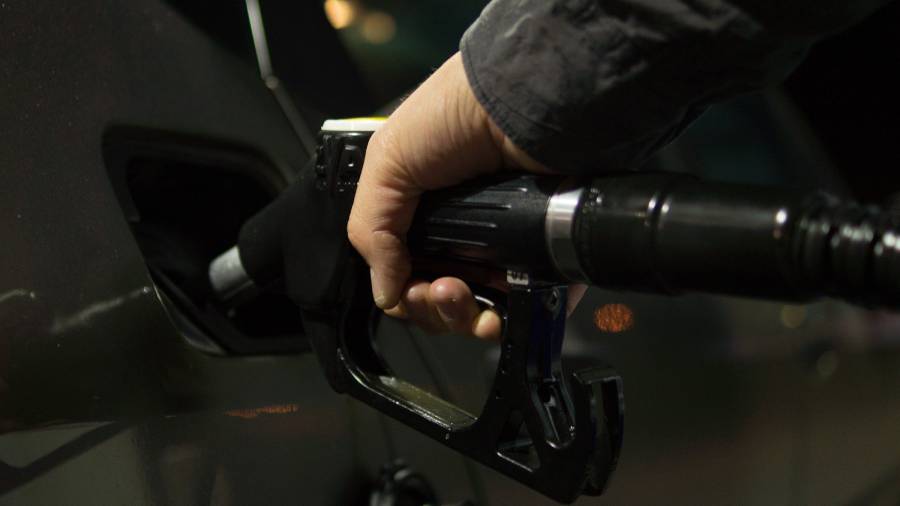
Current problems linked to fuel supply mean that many people have been struggling to readily access petrol. Marie Horner, Partner at Langleys Solicitors, discusses how employers can deal with staff who are refusing to travel into work due to this.
Many employees may have recently encountered a problem regarding obtaining fuel for their vehicle as HGV driver shortages persist.
Although the Government has now approved a temporary visa scheme to invite HGV drivers back, many industry experts are warning that this problem could take time to resolve.
As this occurs, employers may need to navigate the issue of employees refusing to come into the office to save petrol. So, what can employers do in this situation?

Marie Horner, Partner at Langleys Solicitors, encourages employers to allow staff to undertake remote working for a period of time:
Numerous employers have embraced a hybrid of home/office working in the aftermath of the lockdown and for those employers, tipping the balance back in favour of working from home for a while for those who drive to the workplace whilst the fuel issue is addressed would seem the common sense approach.
No doubt an approach that would win favour for employee engagement.
However, Ms. Horner acknowledges that this approach would not work for all, especially in situations where specific jobs require on-site presence.
As such, she continues to express that employers should strike a good balance between enforcing disciplinary action for non-attendance and avoiding discrimination claims:
Generally speaking, if employees don’t attend work they can have no expectation of being paid and may face disciplinary action if they are without valid reasons for non-attendance.
However, an employer has a number of duties that are pervasive to all areas of the employment relationship, such as the duty to protect the health and safety of employees and not to discriminate, which may make disciplinary action an unwise choice.
Ultimately, Ms. Horner advocates for an individual approach to the problem, taking all factors into account:
Employers need to consider each set of circumstances on a case by case basis where an employee says they are unable to come into work due to the fuel shortage.
Will the alternative travel options for the employee potentially place them at a health and safety risk? Is the employee desperately concerned about conserving fuel due to caring responsibilities for a disabled family member?
The best approach is always to have an open dialogue with staff about the reasons for them not being able to come in before making any decisions about the possible consequences. Applying a one-size fits all approach would not be recommended.

Monica Sharma is an English Literature graduate from the University of Warwick. As Editor for HRreview, her particular interests in HR include issues concerning diversity, employment law and wellbeing in the workplace. Alongside this, she has written for student publications in both England and Canada. Monica has also presented her academic work concerning the relationship between legal systems, sexual harassment and racism at a university conference at the University of Western Ontario, Canada.
- Monica Sharma

- Monica Sharma
- Monica Sharma
- Monica Sharma