

A recent Microsoft survey of more than 30,000 global workers showed that 41 per cent of them were considering quitting or changing professions this year. As the country opens up again, there is a surge in new opportunities and, in some cases, the demand for talent is outrunning supply.
The Coronavirus pandemic meant we had to adapt our working practices quickly – requiring many businesses to adopt new approaches to remote and hybrid working and develop new health and safety policies and measures.
As the economy starts to recover, lots of people are moving jobs. In many ways, this is a cause for a great celebration. After 18 months of a stagnant job market, the so called ‘great resignation’ is an exciting indicator that, in the UK, the vaccine programme is having a positive effect and we are ‘opening up’. As a human being, it thrills me immensely! But as an employer, we have to think carefully about how we retain and attract top talent.
We are already seeing the impact of staff shortages within the NHS and the hospitality industry. High attrition rates, vacancies and skill shortages will create all sorts of challenges for organisations. Our response now will doubtlessly require the same creativity, grit and determination that adapting to Covid-19 has required.

Wellbeing and high performance are often seen as in tension with one another. I prefer to think of them as fuelling one other. When we feel valued and well, we do our best work. And when we do our best work, it is in an environment where wellbeing is supported.
A strong focus on wellbeing was important for our staff before and at the beginning of the pandemic. It is going to be an even more important part of the strategy for retaining talent over the coming years. This is more important because we have all had an unusual, difficult and for some people, incredibly traumatic period. As we move through the next stage, people are assessing and reassessing what is working for them and what isn’t.
A job that contributes to our wellbeing is about purpose, trust, autonomy, and personal relationships. This includes good management, feeling valued for our skills and being confident taking our whole self to work. It is about a sense of belonging and equity. I am a firm believer that good work is good for us and contributes to an overall sense of life balance.
This is why, as we move through the next stage of the pandemic, we at MHFA England – and many other organisations we work with – are thinking about wellbeing and staff retention in the very widest sense. We want to honour the commitment our people have shown over the last 18 months. We asked them – and trusted them – to turn their homes into their workspace and deliver incredible things overnight. And they did.
People have a range of hopes and concerns about returning to the office. We are reflecting that by providing as much autonomy as we can over ways of working to meet individual, team and business need. Some people are looking forward to being back in the office fulltime. Others may be wary of travelling on public transport or simply reluctant for the commute to be a daily occurrence.
Giving autonomy and freedom and enabling our teams to find their new working pattern is the first tool in our wellbeing and staff retention strategy. After running a series of hackathons about how people wanted to work, we created a Ways of Working Playbook to provide clarity about the freedoms, within a framework that works for us.
This framework runs alongside good management support, clarity of objectives, a strong focus on promoting positive relationships and equity in the workplace. We also have regular wellbeing check ins, access to support and counselling, as well as organised exercise classes and peer led activities such as MHFA England Radio and meditation.
All of this is about the wellbeing of everyone. We know that some of the best talent does not get recognised, valued or supported in workplaces. Who gets hired, who gets recognised, rewarded and promoted is unequal. Equitable workplaces attract and retain the best, and most diverse talent. This understanding is at the heart of our My Whole Self campaign.
As well as thinking about wellbeing generally, we need to think about equalities and inequalities. How does it feel in our workplaces if you are a woman of colour, have a mental health condition, are a lesbian, have a disability, are trans or neuro-diverse? By committing to equity – and therefore wellbeing for all – and taking deliberate action to dismantle systemic inequalities, we can ensure everybody is valued and included.
So, getting to the fundamentals of a good wellbeing strategy means good job design, good management, fair pay and a healthy workplace culture. This coupled with specific wellbeing activities, training about mental health and the implementation of a Mental Health First Aider programme will create workplaces where people want to be.

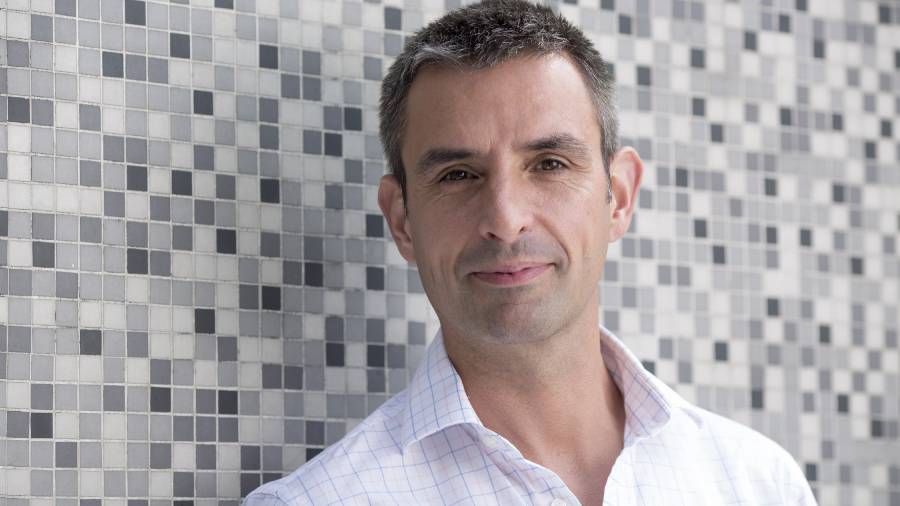
Simon Blake OBE, is the Chief Executive of Mental Health First Aid (MHFA) England which offers expert workplace guidance and training to support people’s mental health.
- Simon Blake

- Simon Blake
- Simon Blake

- Simon Blake





